One Way Summit: A Global Reckoning on Immigrant Wealth Creation
One Way Summit gathers 450+ investors and founders in a push to reframe immigrant entrepreneurship as South America's next big capital story.
For anyone tracking where South America's next wave of wealth will come from, the One Way Summit is a name to file away. The event, set to gather more than 450 investors, founders, and stakeholders, is not just another networking circuit. It is a direct response to a startling reality: the United States, long the default destination for ambitious founders from Bogotá to São Paulo, is now making it harder for the very people who built its corporate giants to walk through the door. And that shift is opening a conversation that South America's capital markets cannot afford to ignore.
The numbers behind the summit are stark. According to an analysis by the American Immigration Council, 46.2% of Fortune 500 companies—231 firms—were founded by immigrants or their children. In 2024 alone, those companies generated US$8.6 trillion and employed over 15.4 million people globally. Immigrants are also behind 55% of tech unicorns, 65% of top AI companies, and a quarter of all U.S. patents. The message is clear: the American dream is, in large part, an immigrant dream. But the summit's organizers, One Way Ventures, argue that this engine is sputtering, and they are bringing together some of the biggest names in tech—Slack co-founder Cal Henderson and Lyft co-founder Rajat Suri among them—to figure out what happens next.
For South American readers, this is not a distant policy debate. The region has long been a feeder for U.S. tech talent, with founders from Chile, Brazil, and Colombia making their mark in Silicon Valley. But the summit's focus on immigration status, visas, and scaling in a hostile regulatory climate speaks directly to the hurdles that these founders face. The recent executive order imposing a US$100,000 fee on new H-1B visa applicants—the very visa designed to attract skilled workers—is a warning shot. It signals that the U.S. is no longer rolling out the welcome mat, and that has ripple effects for capital flows, talent retention, and startup ecosystems from Santiago to São Paulo.
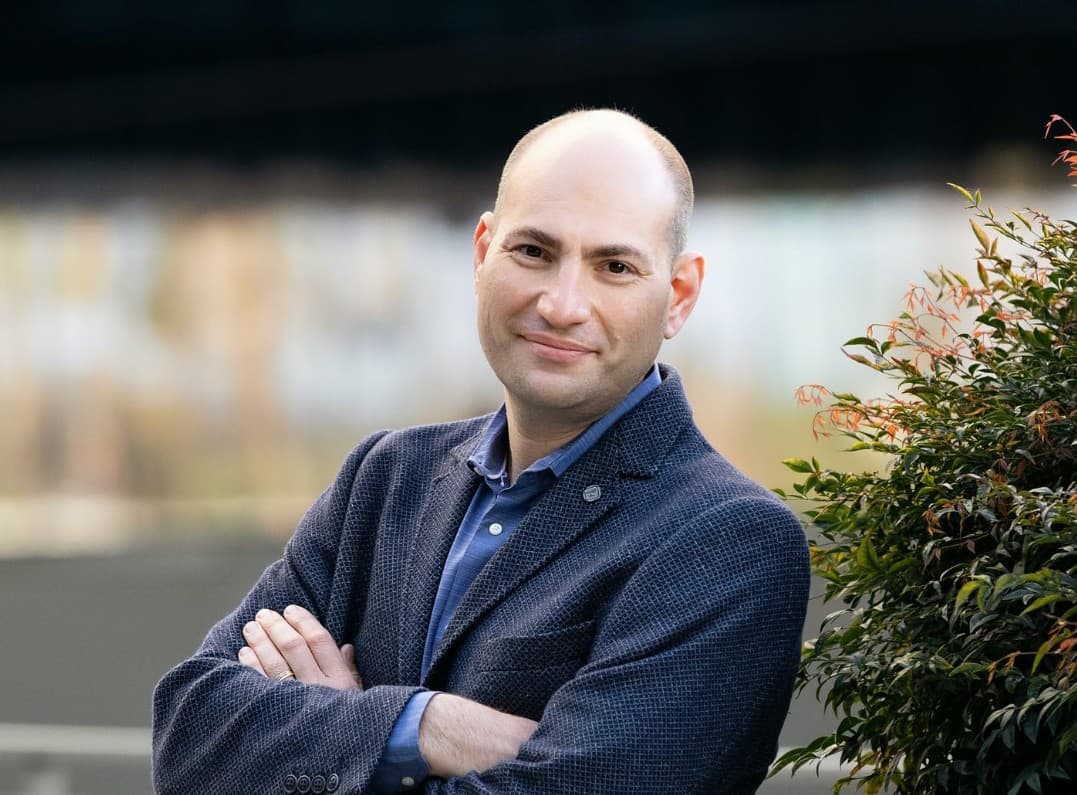
One Way Ventures, the fund behind the summit, has made immigrant founders its thesis. Managing Partner Eugene Malobrodsky puts it bluntly: the immigration journey is one of the biggest predictors of entrepreneurial success. The resilience and adaptation required to uproot your life, learn a new culture, and build from scratch, he argues, is the ideal breeding ground for a founder. A UC Berkeley study backs him up: when immigrant and U.S. entrepreneurs collaborate, their startups outperform those founded by either group alone, employing 20% more people, raising bigger rounds, and exiting more often. The edge, it seems, comes from access to global networks—talent pools, cross-border funding, and markets that local founders simply cannot tap.
But for all the celebration of immigrant grit, the summit is also a warning. Semyon Dukach, Founding Partner at One Way Ventures, says the U.S. is collectively underestimating the role immigrants play, and making it harder for people to choose America as home. The H-1B fee hike is just the latest in a series of measures that are pushing the 'best and brightest' to look elsewhere. For South America, that is both a threat and an opportunity. The region's own ecosystems—from Mexico City's fintech boom to Chile's startup hubs—are hungry for the kind of cross-border capital and expertise that immigrant founders bring. If the U.S. closes its doors, where will that talent go?
The summit is not just a talk shop. It is a bridge-building exercise, with panels designed to help founders navigate the increasingly complex regulatory landscape. For South American investors and entrepreneurs, the message is simple: the global race for talent is heating up, and the rules are changing. The days of assuming Silicon Valley is the only destination are over. Whether that means more capital flowing south, or more South Americans staying home to build, remains to be seen. But one thing is certain—the conversation about immigrant wealth creation is no longer just an American story. It is a global one, and South America is listening.


