Liberia's Tax Collector Nears a Historic US$1bn — and a New Kind of Leverage
Liberia expects to cross US$1bn in domestic revenue for the first time, a milestone that changes its standing with donors and investors.
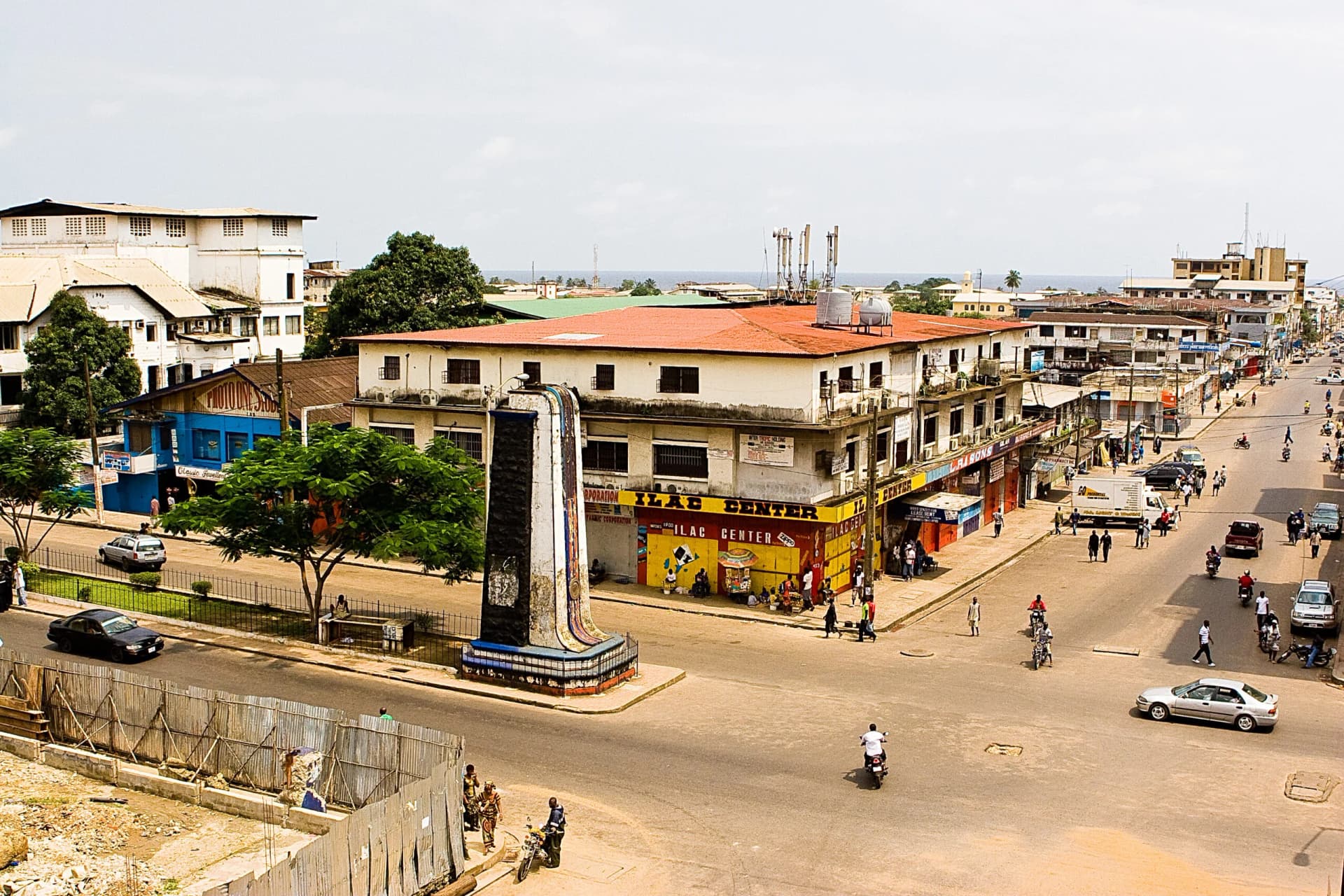
For anyone tracking where capital in South America actually comes from — not the hedge funds in São Paulo or the family offices in Buenos Aires, but the state coffers that make those markets possible — there is a quiet milestone brewing on the other side of the Atlantic that deserves a second look. Liberia, a country more often discussed in terms of Ebola, civil war and iron-ore concessions than fiscal sophistication, is weeks away from collecting US$1bn in domestic revenue for the first time in its history. The Liberia Revenue Authority has pulled in US$954.7m in the 2026 fiscal year as of early September, leaving a gap of just US$45.3m to the magic number. Officials expect to cross the line before the end of this month.
That gap is not a moonshot. On the current run rate, it is a matter of weeks, not a scramble. And the trajectory behind it is what should make an international reader sit up. Domestic revenue climbed from US$699m in 2024 to US$818m in 2025 — a jump of about 17% in a single year — and the 2025 outturn beat that year's target of US$804.6m by roughly US$13.4m. Two consecutive years of exceeding official forecasts is the detail that matters most to creditors and multilateral lenders. It signals a forecasting process that is no longer systematically optimistic, which in West Africa — or anywhere, frankly — is rarer than it should be.
The engine behind this surge is not a commodity price spike or a sudden discovery of oil. The authority credits electronic fiscal devices, machines installed at points of sale that report each transaction directly to the tax administration in real time. These devices close the gap between what a business records and what it declares, shrinking the space for under-reporting that has long plagued revenue collection across the region. Several African revenue authorities have rolled out similar systems over the past five years, but their success depends almost entirely on enforcement. A device that can be switched off collects nothing. Liberia's claim that these machines have driven a measurable share of the increase suggests a level of administrative will that outsiders rarely associate with Monrovia.
To understand why this matters, you have to remember what Liberia's budget has historically looked like. This is a state that has leaned heavily on donors and on a narrow set of concessions — iron-ore mining and one of the world's largest shipping registries — for its foreign exchange and its fiscal survival. Every dollar raised domestically is a dollar that does not need to be borrowed, granted or begged for. But the deeper shift is in negotiating power. A government that can fund a larger share of its own spending is a different counterparty to the International Monetary Fund and the World Bank than one that was at US$699m just two years ago. It has more room to hold a line on policy conditions, more credibility when it asks for patience, and more leverage when it sits across the table from the mining and shipping companies that dominate the formal economy.
The full-year target of US$1.3bn in total revenue includes grants and other receipts, so that figure should not be conflated with the domestic number. Domestic revenue is the harder and more meaningful of the pair, precisely because it tests administrative capacity rather than donor goodwill. There are caveats, of course. Nominal growth flatters any tax series in a dollarised economy with rising import prices, and the real test is whether collections keep rising as a share of output, not just in dollar terms. Liberia's spending pressures remain ordinary and urgent — roads, electricity, schools, and a health system that has never fully recovered from the Ebola years. None of that is funded by a milestone.
What the milestone changes is the conversation about who funds it. A state approaching US$1bn in its own revenue is not just a recipient of aid; it is a borrower, a counterparty, and a player. For investors watching West Africa's frontier markets, that shift in fiscal self-reliance is worth more than any single commodity cycle. The machines at the point of sale are doing what no donor program ever managed: they are turning Liberia into a country that can pay its own way, one transaction at a time. The question now is whether the state can spend that money as wisely as it collects it — and whether the momentum survives the inevitable political cycle. But for this month, at least, Monrovia has a number to celebrate that was not given to it by anyone else.
More in MONEY

Swipejobs founder Katrina Leslie wins EY Entrepreneur of the Year as AI hiring platform hits $1.3bn revenue

Ben Brayford, the Perth 'aquarium geek' chasing $4m to build Living Oceans into a billion-dollar venture

Zuckerberg Drawn Into Brazil's Election Fight as Sanders and Democrats Demand Answers on Meta's Treatment of Lula and Bolsonaro