Landmark Africa founder Paul Onwuanibe to chair Sync Finance board from October 2026
Sync Finance appoints Landmark Africa CEO Paul Onwuanibe as board chairman, effective October 1, 2026, after CBN no-objection.
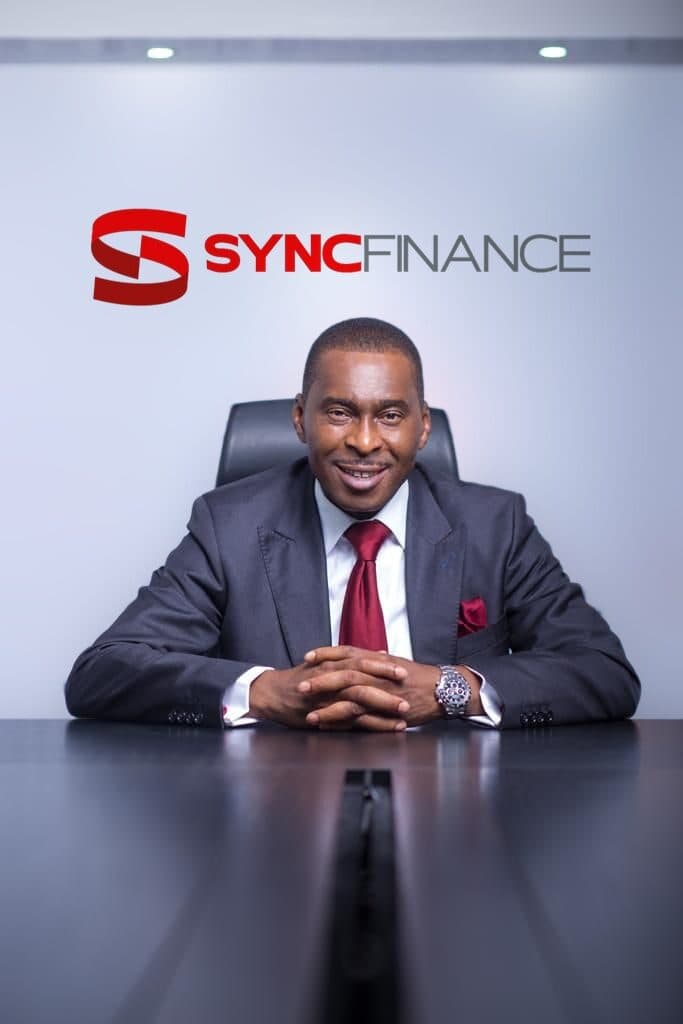
Lagos boardrooms rarely hand a chairmanship to a man whose day job is building beaches, hotels and office towers. Yet that is precisely what Sync Finance Company Limited has done, and the timing tells you something about where Nigerian finance is heading.
The Central Bank of Nigeria has issued its no-objection, the board has approved, and from October 1, 2026, Paul Onwuanibe takes the chair at Sync Finance. He is not a career banker. He is the founder and chief executive of Landmark Africa Group, the company behind the Landmark Centre and Landmark Beach Resort on Victoria Island, arguably the most recognisable stretch of leisure and hospitality real estate in Lagos. His academic grounding is in the built environment: an MSc in Architecture, Environmental Design and Planning, and another in Construction Management. The appointment was confirmed by the company, with managing director and CEO Ikenna Imo calling Onwuanibe's record of building enduring institutions and his grasp of the Nigerian business landscape invaluable to Sync's next growth phase.
For readers outside Nigeria, Sync Finance is a finance company licensed by the Central Bank of Nigeria, not a commercial bank. That distinction matters. Nigeria's finance companies sit in the non-bank lending space, offering loans, investment products and financial advisory services to individuals and businesses, often reaching customers and small enterprises that the tier-one banks consider too small or too risky. They are regulated, but they operate with a different licence, a different capital base and a different appetite than the deposit money banks that dominate the Lagos skyline. In a country where credit penetration remains stubbornly low and where millions of traders, artisans and SMEs still finance themselves informally, this layer of the market is where the real lending gap gets fought over.
Onwuanibe's own story is a useful window into Nigerian capital. Landmark Africa is a homegrown developer that turned reclaimed waterfront into a commercial, hospitality and leisure ecosystem, one that hosts concerts, corporate events and weekend crowds. Building that required navigating land, construction costs, foreign exchange swings and the patience of investors. It is the kind of operating résumé that a lending institution wants on its board when it is trying to convince depositors, borrowers and regulators that it can underwrite risk with discipline. His statement on the appointment was careful and conventional: he spoke of strengthening governance, deepening services to customers and driving sustainable growth in line with regulatory standards. Read between the lines and the message is about credibility.
This is the wider signal. Across Africa, wealth built in bricks, hospitality and consumer-facing ventures is migrating into financial services. The reasons are structural. Finance is where scale lives, where returns compound without pouring concrete, and where a family or founder can convert operating reputation into a balance sheet. For Sync, bringing in a name synonymous with Lagos hospitality is a bet that governance and brand recognition now matter as much as yield. For Onwuanibe, it is a seat at the table in a sector that touches far more Nigerians than any beach resort ever could. The no-objection from the CBN also underlines how tightly the regulator watches who sits on these boards; chairmanship in Nigerian finance is not a ceremonial honour.
What happens next is worth watching. The effective date of October 1, 2026, gives Sync more than a year of runway, a signal that this is a deliberate succession and strategy move rather than a rescue. If a developer can help a licensed lender professionalise its credit culture and widen its customer base, other Nigerian finance companies will study the template. And if the model works, expect more African founders from real estate, hospitality and consumer businesses to be courted for boardrooms in banking, insurance and asset management. The line between building things and financing them is thinning, and Lagos is drawing it first.


