Lakshmi Mittal's ArcelorMittal Set to Exit South Africa in ₹5,400 Crore State-Led Deal
South Africa's IDC agrees to buy ArcelorMittal's struggling steel unit for ₹5,400 crore, with most of the value in assumed debt. A retreat for the Mittals.
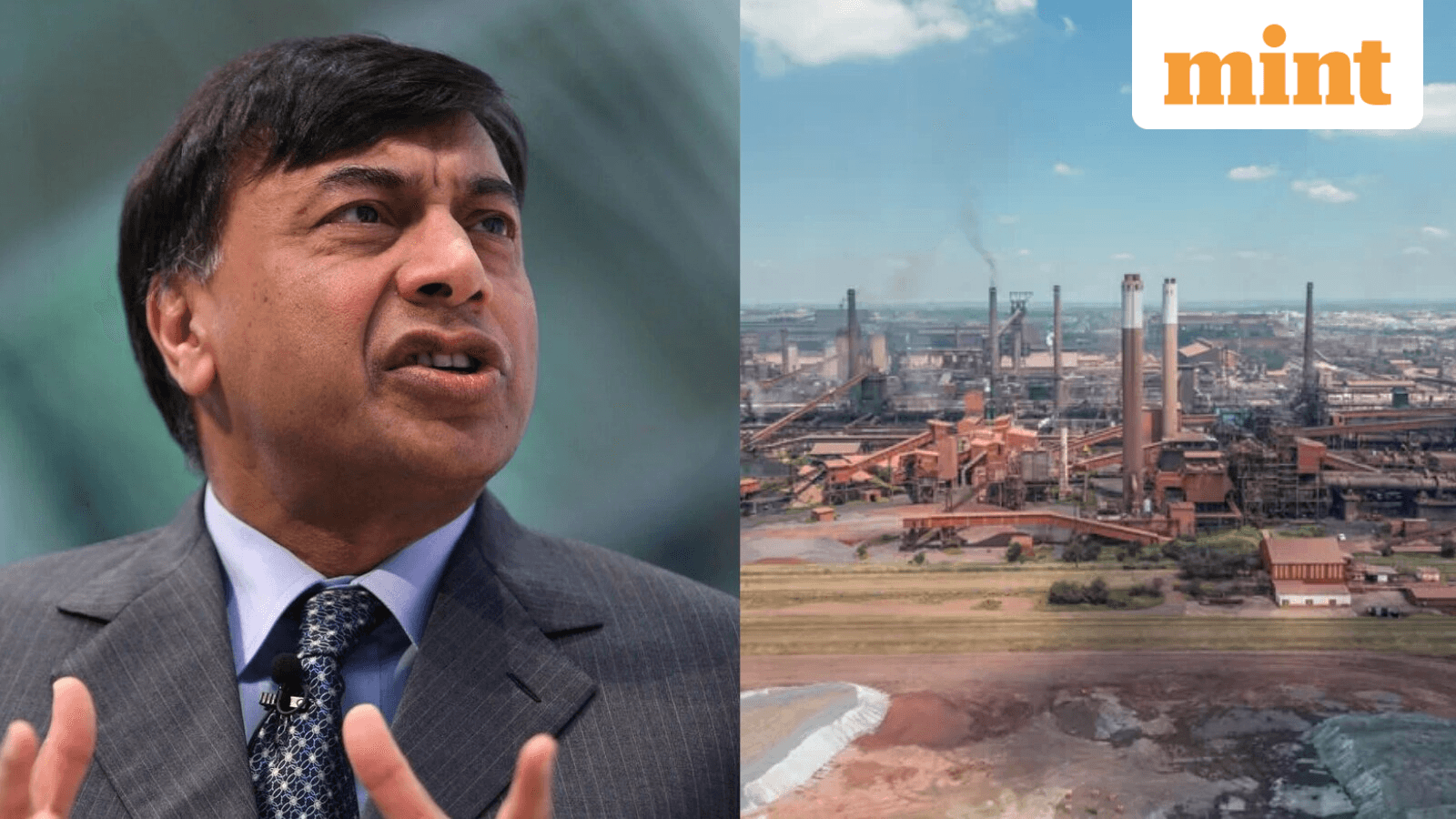
For years, Lakshmi Mittal's global steel empire has been a case study in the rewards and risks of emerging-market bets. Now, one of its oldest African outposts is being unwound. South Africa's state-owned Industrial Development Corporation (IDC) has reached an initial agreement to acquire ArcelorMittal South Africa, the loss-making steelmaker controlled by Indian-born billionaire Lakshmi Mittal and his son Aditya Mittal, in a deal valued at around ₹5,400 crore (roughly 10 billion South African rand). For a family whose name is synonymous with steel, the retreat is a quiet admission that some assets are better managed by someone else.
The reported structure is telling. The IDC would pay about ₹1,620 crore in cash and assume around ₹3,780 crore of the company's debt. In other words, most of the deal's value is not a cheque written to the Mittals but a burden taken off their books. The terms have not been officially confirmed, and the transaction still requires definitive agreements and shareholder approval. Bloomberg reported the parties aim to complete the deal before the end of 2026. The IDC already holds an 8.2% stake and has extended roughly ₹1,420 crore in loans over the past two years; a takeover would transform it from minority lender to controlling owner.
ArcelorMittal South Africa is not a household name outside the industry, but it matters deeply to South Africa's economy. It is the country's primary flat-steel producer, supplying sectors from mining to auto manufacturing. Its troubles are a case study in Africa's industrial malaise: weak demand, high electricity and railway costs, ageing plants, and competition from cheap imports. The company's losses narrowed to about ₹1,810 crore in 2025 from ₹2,740 crore in 2024, but the crisis deepened when it announced plans to wind down long-steel operations in Newcastle and Vereeniging, threatening some 3,500 direct and indirect jobs. Assmang's Beeshoek iron-ore mine, which relies on the steelmaker as a customer, warned it could close, putting another 688 jobs at risk.
The Mittals' decision to sell is part of a broader pattern. ArcelorMittal, headquartered in Luxembourg and led by Lakshmi as executive chairman and Aditya as chief executive, has been retrenching from peripheral loss-making operations to focus on core markets. For South Africa, a state takeover is a gamble to preserve steelmaking capacity and protect downstream industries. For the IDC, the challenge is turning a debt-heavy, ageing asset into a viable business; it may seek an experienced industrial partner, though none has been publicly identified. The deal follows negotiations that began after the November 2023 closure announcement and stalled over valuation, with earlier proposals reportedly around ₹3,780 crore in 2025. The new cash-plus-debt structure bridges that gap.
What does this signal for Asian capital? For one, the Mittals—who built a global giant from Indian roots—are willing to walk away from assets that no longer fit. That pragmatism is increasingly common among Asian industrial families rebalancing portfolios toward higher-growth markets. For another, it shows the limits of private capital in sectors where the state is the only buyer left. The IDC's move is a rescue, not a vote of confidence. If the deal closes, the Mittals will have exited a business that has required repeated financial support, and South Africa will own a steelmaker it must now fix. The question for the IDC is whether it can do what the Mittals could not: make South African steel competitive again.
More in MONEY

Swipejobs founder Katrina Leslie wins EY Entrepreneur of the Year as AI hiring platform hits $1.3bn revenue
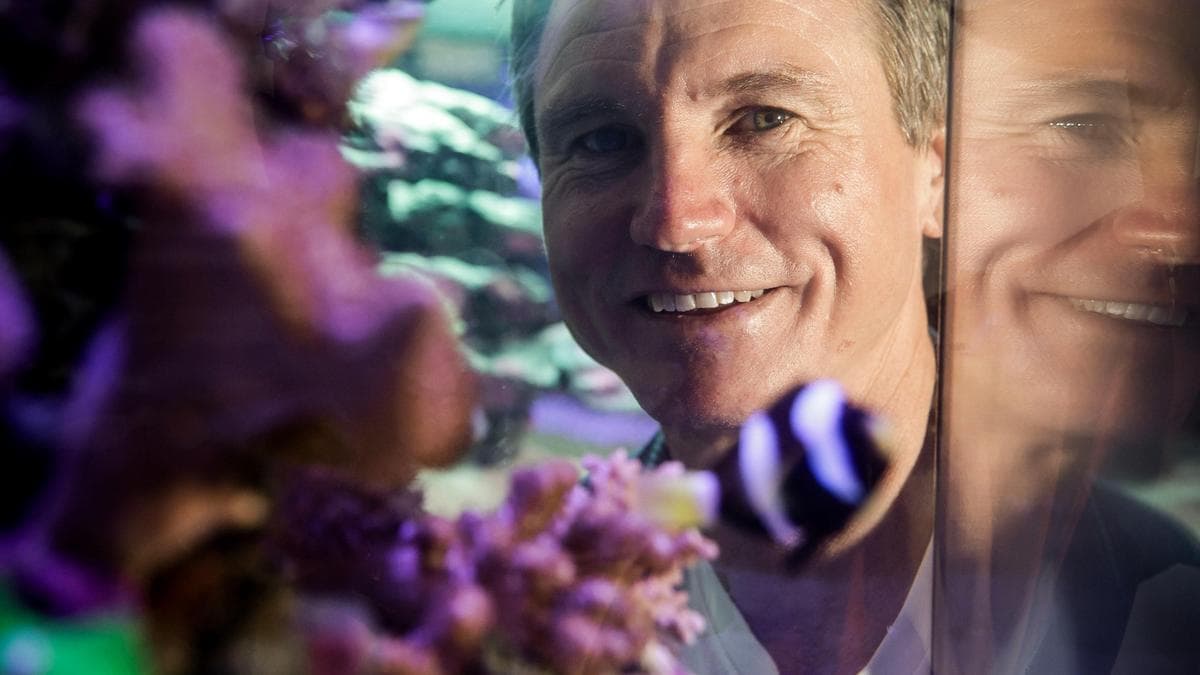
Ben Brayford, the Perth 'aquarium geek' chasing $4m to build Living Oceans into a billion-dollar venture

Zuckerberg Drawn Into Brazil's Election Fight as Sanders and Democrats Demand Answers on Meta's Treatment of Lula and Bolsonaro