Lagos shortlet boom tests operators as supply outpaces demand
Lagos shortlet market faces pressure as supply rises; Edala CEO says scale, cost control key to survival.
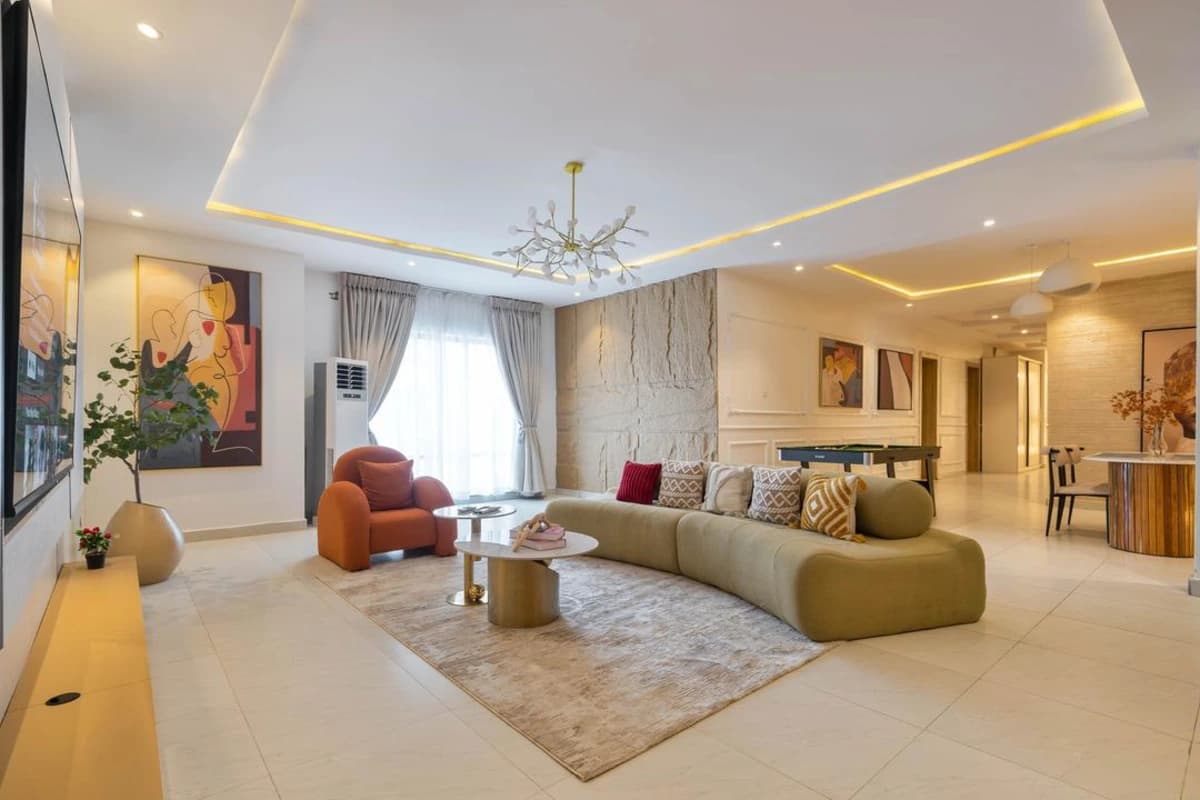
For anyone tracking where Africa’s wealth is being built, the shortlet apartment boom in Lagos has been one of the more visible signs of a city reinventing itself. But the same wave that lifted operators is now threatening to crash over them. At the Edala Investor’s Summit 2.0 in Lagos on Saturday, Temidayo Oloyede, co-founder and CEO of Edala Development, delivered a sobering message: as more properties flood the market, only those with scale, disciplined cost management, and sharp marketing will survive.
Oloyede’s warning comes at a moment when Lagos landlords and property developers are increasingly abandoning traditional long-term rentals for the short-stay market, lured by higher yields and the steady stream of diaspora Nigerians who want a home away from home. The result is a glut of serviced apartments, each competing for the same pool of guests. Oloyede argues that the pressure will not hit everyone equally. Operators with multiple units can absorb the cost of empty nights better than a single-property owner, while those with weak business models will be exposed as occupancy and revenue come under strain.
Samuel Olatunde, COO and co-founder of Edala, offered a rare glimpse into the numbers behind the hype. Occupancy across Edala’s properties ranges from roughly 59% at the low end to 80% during peak season, which typically runs from December to February. Those figures show how seasonal and unpredictable the market can be. Olatunde also noted that some property owners prefer to sell their shortlet units rather than run them, a sign that the operational demands—furnishing, maintenance, guest relations, backup power—are not for everyone. The lack of reliable industry-wide data makes it hard to say if the market has hit saturation, but the trend is clear: supply is rising, and competition is intensifying.
This is not just a story about one company or one neighborhood. The shortlet segment has become a structured part of Lagos’s real estate economy, with pricing increasingly driven by location, occupancy levels, and guest expectations. Operators are now investing heavily in premium furnishings, uninterrupted power, and hospitality-style amenities to stand out. But the cracks are showing. In February 2026, the Banana Island Property Owners and Residents Association banned shortlet and Airbnb-style rentals in the estate, citing security and privacy concerns. That move signals a growing tension between the short-term rental economy and the residential tranquility of some of Lagos’s most exclusive addresses.
For the international reader, this matters because Lagos is often seen as a bellwether for African urban wealth. The shortlet boom reflects a broader shift in how property owners think about assets—not just as long-term stores of value, but as dynamic income generators. Yet the current oversupply suggests that the market may be maturing faster than expected. The winners will be those who can manage costs, maintain high occupancy, and navigate the regulatory and community pushback that comes with success. As Oloyede and Olatunde suggest, the days of easy money in Lagos shortlets may be numbered, but the market is far from dead—it is just becoming more professional. The operators who treat it as a business, not a side hustle, will be the ones still standing when the dust settles.