Kerry Stokes quietly tightens grip on Southern Cross Media as radio's old guard hedges bets
Kerry Stokes' private vehicle lifts its Southern Cross Media stake, signalling a strategic bet on radio's future in a shifting Oceania media landscape.
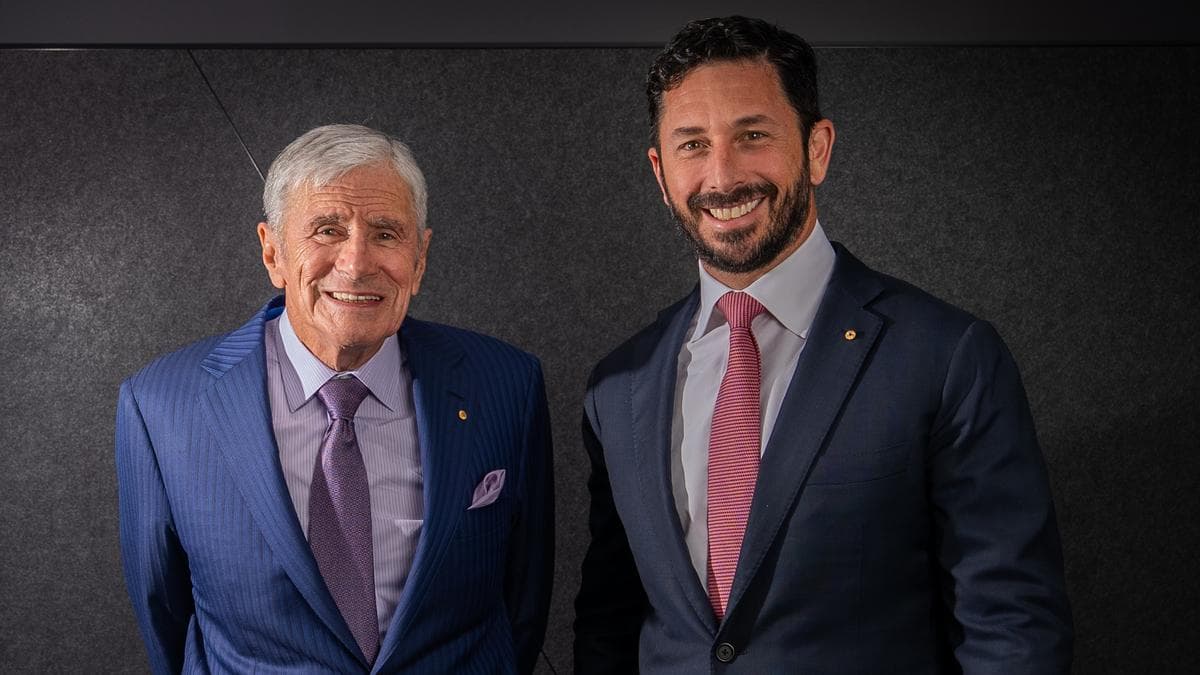
For anyone tracking where serious Australian capital is drifting, the tell is rarely in the big splashy tech launches. It is in the patient, unglamorous accumulation of shares in a business everyone else has written off. That is precisely what Kerry Stokes has done again. His private investment arm has quietly increased its stake in Southern Cross Media, the broadcast group that owns regional TV and a national radio network stretching from Cairns to Perth. The move, reported by The West Australian, is not a headline-grabbing takeover. It is something far more telling: a deliberate, long-game position from one of the country's most seasoned dealmakers.
The details are straightforward, even if the strategy is not. Stokes' private vehicle has lifted its holding in Southern Cross Media, adding to an already substantial position. The exact size of the new stake was not disclosed in the report, but the direction is unmistakable. This is not a passive investor trimming or testing the waters. It is an intensification. For a man who built a fortune on media, mining services and industrial assets, and who controls Seven West Media, the logic is layered. Southern Cross is not just a radio operator; it is a distribution network for content, a political bellwether in regional markets, and a struggling asset that sharper operators tend to buy cheap and hold long.
To understand why this matters, you need the local context. Southern Cross Media is the product of a merger between Macquarie Media and Southern Cross Austereo, and it has spent the past decade wrestling with the decline of linear broadcasting. Its radio brands — Triple M and the Hit Network — still command loyal audiences in the suburbs and the bush, but advertising dollars have thinned as streaming and social platforms eat the pie. The company has been through restructures, asset sales and a share price that has spent years in the doldrums. For most retail investors, it is a value trap. For Stokes, it is a puzzle he has seen before. He did the same dance with Seven Network in the 1990s, buying when sentiment was sour and then reshaping the board and strategy until the asset turned.
The wider Oceania economy is shifting beneath this deal. Media ownership here has always been a game of consolidation, and the past two years have seen a flurry of quiet moves: private equity circling outdoor advertising, family offices buying into radio, and the big listed players retreating into their strongest verticals. Stokes' increased stake signals something else: a belief that radio, especially regional radio, still has a pulse. In a country where distance is the defining fact of life, local broadcasting remains a lifeline for weather warnings, sport and community connection. That is not a niche. It is a structural advantage that digital giants cannot easily replicate, even if the monetisation is harder.
For the international reader, think of it this way: Stokes is the Australian equivalent of a Warren Buffett figure, but with a sharper edge and a political streak. His investments are rarely about quarterly returns. They are about control, optionality and the long-term resilience of assets that others mistake for relics. Southern Cross gives him a seat at the table for the next wave of media consolidation, whether that involves merging radio with Seven's television assets, selling off the regional TV licences, or using the network to push new digital audio products. The stake is a hedge, but also a lever.
What does this signal about capital in Oceania? That the smartest money is not fleeing traditional media; it is repositioning within it. The region's wealth is increasingly concentrated in a handful of families who understand that content distribution will be reorganised, not eliminated. Stokes is not betting on a comeback of the old model. He is betting that the underlying infrastructure — the towers, the licences, the local sales teams — will be valuable to whoever wins the next decade of attention. That is a contrarian view, but it is also a realistic one.
Looking ahead, the question is not whether Stokes will increase his stake further. It is what he does once he has enough. Southern Cross has been rumoured as a merger partner for larger networks, and with Stokes' involvement, the boardroom dynamics change entirely. He is not a passive holder. He is a catalyst. For investors and observers across Oceania, the message is simple: watch the quiet accumulators, not the loud disruptors. The former are the ones who end up owning the map.


