KalGold's heritage pact unlocks the Golden Mile's next chapter
KalGold signs heritage deal with Kakarra Aboriginal Corporation, fast-tracking gold exploration near Kalgoorlie after native title recognition.
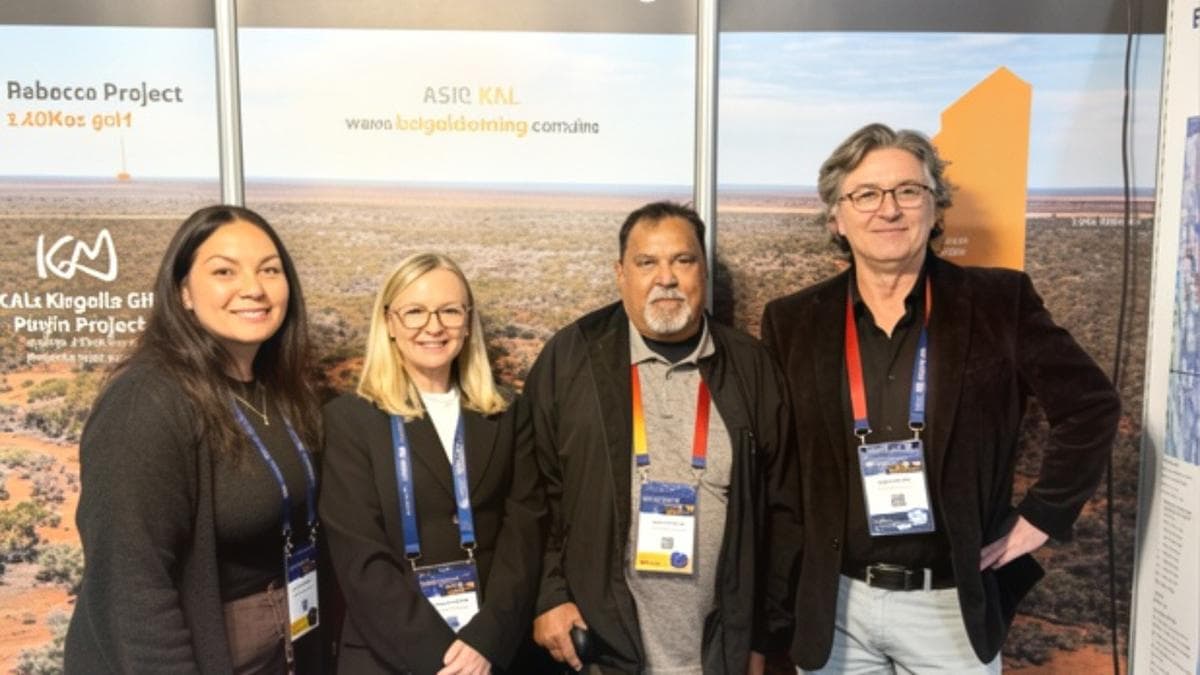
For anyone tracking the flow of capital into Western Australia's goldfields, the news out of Kalgoorlie this week is less about rocks and more about relationships. Kalgoorlie Gold Mining, the ASX-listed explorer known locally as KalGold, has signed a sweeping heritage protection agreement with the Kakarra Aboriginal Corporation. The deal covers the company's Pinjin and Bulong Taurus projects, and it effectively removes one of the biggest friction points in modern Australian mining: the delicate, legally fraught process of proving you have the right to drill on land that is also home to ancient cultural sites.
The accord follows the Federal Court's recognition of Kakarra native title rights in April 2025, and it replaces an older, narrower arrangement that had become outdated. The previous deal even included tenements the company no longer holds. The new agreement is comprehensive, wrapping all of KalGold's tenements and gold rights across Kakarra Country into a single, clear framework. For managing director Matt Painter, who met with Kakarra members at the signing, the practical payoff is immediate: faster heritage surveys, quicker clearances for drilling, and a smoother path for new licence applications. That is not administrative detail; in the Eastern Goldfields, heritage delays can stall a project for years.
The strategic importance of this deal goes beyond one junior miner's schedule. KalGold sits on some of the most storied gold terrain in the world. The Pinjin project lies within the Laverton Tectonic Zone, a 250-kilometre structural corridor that has produced more than 30 million ounces of gold over its history. Pinjin is also just 25 kilometres north of Ramelius Resources' Rebecca gold project, which is on track for production by 2027. KalGold has already defined a maiden resource at Pinjin's Kirgella Gift and Providence deposits, totalling 76,400 ounces at one gram per tonne, and recent drilling has returned thick, shallow intercepts including 3 metres at 3.55 g/t gold. At Bulong Taurus, the La Mascotte deposit adds 138,000 ounces, bringing the company's combined resource base to over 214,000 ounces.
What makes this story instructive for an international reader is the broader shift it represents. In Western Australia, the era of assuming you can drill first and ask questions later is over. Formalised cultural heritage agreements have become a prerequisite for capital deployment in the resources sector. The Kakarra deal is a template for how a small, low-cost explorer can turn a potential obstacle into a competitive advantage. KalGold prides itself on finding gold for less than $4.60 per ounce, and with the Australian-dollar gold price hovering around A$6,100 an ounce, that efficiency is the difference between a viable project and a costly hobby.
The local context matters here. Kalgoorlie is not just a town; it is the spiritual heart of Australian gold mining, a place where the industry's history is written into the landscape. For the Kakarra people, this agreement is about protecting what matters most: cultural heritage around sites like Lake Yindarlgooda, near the Bulong Taurus project. For KalGold, it is about unlocking value in a region that has already given the world tens of millions of ounces and clearly has more to give. The company's recent drilling results, with mineralised envelopes up to 38 metres thick from shallow depths, suggest the resource base is far from finished.
Looking forward, this deal signals something important about the future of wealth creation in Oceania. The winners in the next mining cycle will not be the companies with the biggest balance sheets, but those that build the strongest relationships with Traditional Owners early. KalGold has done that. The heritage agreement is now a strategic asset, not a compliance burden. As gold prices remain historically high and the search for new ounces intensifies, the companies that can move quickly and responsibly will be the ones that define the next chapter of the Eastern Goldfields. For KalGold, the path to drilling is now clear, and the market will be watching closely to see what comes out of the ground.