José Mourinho’s ‘Rucksack of Pain’: The Psychology of a Winning Machine
A new Netflix documentary dissects José Mourinho’s relentless drive, revealing how a lifetime of perceived slights fuels his tactical genius and wealth-building discipline. For investors, his story offers a masterclass in compounding advantages out of adversity.
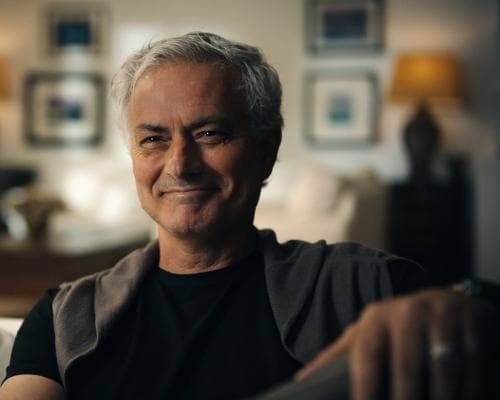
José Mourinho doesn’t just win trophies—he converts pain into capital. The new Netflix series, directed by Joe Pearlman, peels back the layers of football’s most polarizing manager, exposing the engine room of his success: a 'rucksack of pain' carried since childhood. This isn’t just a sports doc; it’s a case study in how the ultra-competitive build empires from perceived disadvantage. For anyone who moves capital, Mourinho’s psychology is as instructive as any balance sheet.
The scale of Mourinho’s wealth isn’t just in silverware—it’s in the brand. With a career spanning Porto, Chelsea, Inter Milan, Real Madrid, and Manchester United, he’s reportedly earned over £100 million in wages and endorsements. That’s before his current gig at Fenerbahçe, where his presence alone moves sponsorship and ticket revenue. The documentary reminds us that Mourinho’s real asset is his mind—a tactical database that has outmaneuvered the world’s richest clubs for two decades. In wealth terms, he’s the ultimate value investor: buying distressed squads, restructuring them, and flipping them into champions.
Pearlman’s lens captures the mechanics of Mourinho’s method: control, narrative, and selective memory. 'Everything bad is everyone else’s fault, and everything he’s done is validated by winning,' Pearlman says. That’s not just ego—it’s a cognitive framework that shields him from doubt. For a fund manager, this is the equivalent of doubling down on a thesis despite market noise. Mourinho’s 'I see more than you' line isn’t arrogance; it’s the confidence of someone who’s studied the game’s patterns obsessively. The numbers back it up: he’s won 26 major trophies, including two Champions Leagues, often against clubs with deeper pockets.
The rarity here is the man himself. The son of a beloved coach, Félix Mourinho, José grew up an outsider in his own family’s narrative. That chip on his shoulder became his edge. In the documentary, he tears up when discussing his father’s death—a crack in the armor that reveals the vulnerability behind the bravado. For the wealthy, this is a reminder that the most valuable assets are often intangible: resilience, a hunger that never fades, and the ability to turn rejection into fuel. Mourinho’s childhood wasn’t a sob story; it was a seed capital of motivation that compounded over decades.
What does this signal for markets? In an era of passive index funds and AI-driven trading, Mourinho’s story is a bullish case for active management—the human element that identifies mispriced talent before the crowd. His 'rucksack of pain' is a metaphor for the contrarian investor who buys when others are fearful, then holds through the noise. The wealthy can learn from his refusal to accept defeat as final: his 2010 treble with Inter, against Barcelona’s tiki-taka, was a masterclass in defensive positioning—the financial equivalent of a hedge against a frothy tech bubble.
Looking forward, Mourinho’s next act is the ultimate test: can he rebuild Fenerbahçe into a European force, proving his method still works in a data-saturated game? For investors, the takeaway is clear: personality, not just process, drives outsized returns. Mourinho’s net worth—estimated in the tens of millions—is modest by billionaire standards, but his influence on how we value leadership, resilience, and brand is priceless. As he says, 'I look, you look, I see more than you.' In a world of algorithmic consensus, that’s the edge that still moves markets.


