Huscarl's $5.6M Seed Round Bets on AI as the New Backbone of Corporate Self-Insurance
Huscarl raises $5.6M to bring AI-driven actuarial tools to the booming captive insurance market, targeting global corporations.
In the rarefied world of corporate risk, a quiet revolution is underway: the world's largest companies are increasingly refusing to hand their risks to traditional insurers, choosing instead to become their own underwriters. Into this shifting landscape steps Huscarl, a startup that just closed a $5.6 million seed round led by FRST, with backing from Y Combinator and Silicon Valley investors. The pitch is audacious—an AI-powered 'autonomous actuary' that could make self-insurance not just a tactic, but the default strategy for ambitious corporations.
The core of Huscarl's offering is software designed for the arcane but crucial discipline of actuarial science—the math of predicting losses, setting reserves, and pricing risk. For companies that use 'captives' (their own insurance subsidiaries to retain risk), this work is essential but often outsourced to expensive consultancies. Huscarl's platform ingests messy, unstructured data, builds bespoke risk models, and automates the workflow, while keeping a credentialed human actuary in the loop to sign off on every study. The company also offers one-off studies and outsourced underwriting for group captives and Risk Retention Groups—vehicles that are gaining traction among mid-sized firms.
The timing is no accident. According to Marsh's 2026 Captive Solutions Benchmarking Report, captives managed by the broker wrote $79.1 billion in gross premiums in 2025, up from $77 billion the year before. More tellingly, Fortune 500 companies using captives grew their premium volume by 9%, and Marsh recorded 118 new captive formations in a single year. This isn't just a cyclical response to hard insurance markets; it's a structural shift. As Aon's 2025 survey shows, nearly a quarter of captive users are now underwriting cyber risk—a line that traditional insurers have struggled to price.
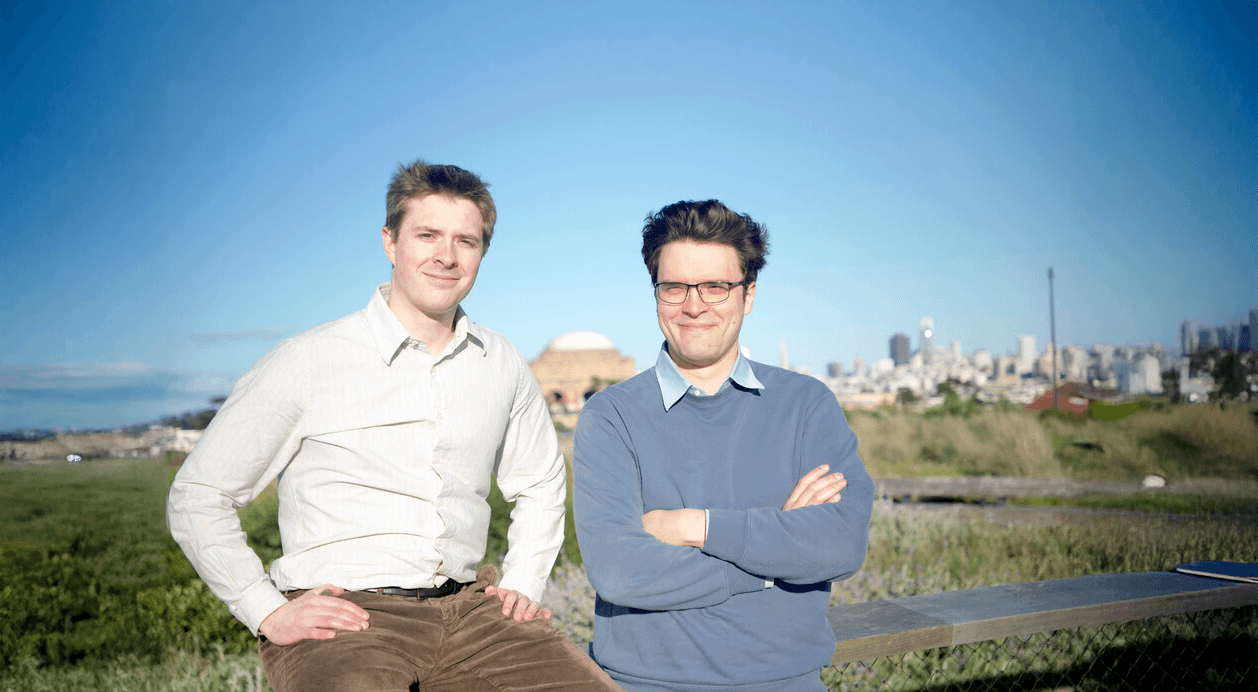
Huscarl's founders, CEO Alexandre Musy and CTO Paulien Jeunesse, are no strangers to innovation in this space. They previously built the world's first cyber parametric insurance product at Descartes Underwriting, where Musy scaled it across Europe and Jeunesse, an actuary and AI scientist, designed the underlying model. Their pedigree matters because it signals a deep understanding of both the technical and commercial sides of risk. Already, Huscarl counts a Risk Retention Group and a single-parent captive for a company with over $2 billion in revenue as clients—early proof that even sophisticated risk managers see value in AI-driven actuarial work.
For an international reader tracking South American capital, this story offers a lens into a broader trend: the democratization of risk infrastructure. While Huscarl is targeting the US market, the implications ripple southward. In Latin America, where insurance penetration remains low and captives are often seen as the preserve of multinationals, the idea of mid-sized companies self-insuring is still nascent. Yet the same pressures that drive captives in the US—rising premiums, hardening terms, and the need for more control—are beginning to appear in the region's more mature economies like Brazil, Mexico, and Chile. If AI can lower the actuarial barrier, it could open the door for regional firms to explore self-insurance without the traditional cost and complexity.
But the bigger signal is about capital and wealth in South America. The fact that a startup like Huscarl—founded by European insurtech veterans—is attracting global investors like Y Combinator and FRST underscores a growing appetite for technology that reimagines legacy industries. For South American family offices and conglomerates, whose wealth often sits in risk-heavy sectors like agribusiness, mining, and energy, the ability to self-insure more effectively could be transformative. It promises not just cost savings, but a way to protect balance sheets from the volatility that has long defined the region's economies.
As Musy puts it, the goal is to make 'self-insurance the default, and commercial insurance the exception.' That vision may sound radical, but the numbers suggest it's already happening. With this funding, Huscarl is positioning itself as the infrastructure for that future—one where a company's risk manager becomes its own chief underwriting officer, armed with AI that can model anything from cyber attacks to climate-driven losses. For South American businesses watching from the sidelines, the message is clear: the tools that once belonged to the world's largest corporations are becoming accessible to all. The question is who will seize them first.