Hastings closes US$15M deal for 49% of Thai rare earths plant, targets Q2 2027 output
Hastings Technology Metals completes its US$15M acquisition of a 49% stake in Thailand's Kabin Buri rare earths plant, doubling capacity to 12,000tpa MREC.
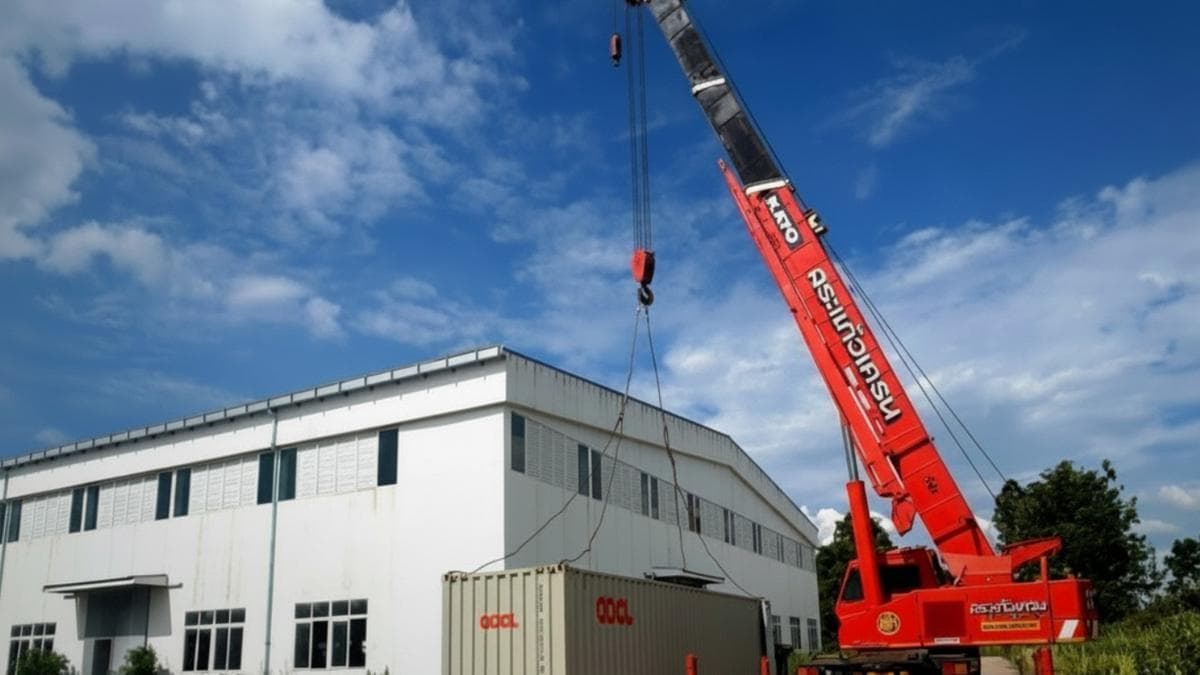
For years, the knock on Australian rare earths hopefuls has been the same: promising geology, distant cash flow. Hastings Technology Metals just bought itself a shortcut. The Perth-based group has finalised a US$15 million (A$21.3 million) deal for 49 per cent of the Kabin Buri hydrometallurgical processing plant in Thailand, a transaction that moves it from aspiring miner to would-be downstream producer while its flagship asset in Western Australia is still being built.
The structure is worth reading closely, because it tells you how much of the risk sits with the seller. Hastings has already paid a US$0.5 million cash deposit and will issue 23 million shares at 50 cents apiece — US$8 million in equity — to its partner Enuo Holdings. A further US$1 million falls due on commissioning, with the final US$5.5 million in deferred cash payable only if contractual production and sales milestones are met. In other words, a meaningful slice of the price is contingent on the plant actually working. Work is already under way to lift planned nameplate capacity to 12,000 tonnes per annum of mixed rare earth chloride (MREC), double the original design. Testing and commissioning are slated for the first quarter, with first production to follow shortly after.
The local context matters here. Kabin Buri sits in Thailand's industrial east and does one of the nastiest jobs in the rare earths chain: chemically cracking and leaching monazite concentrate into MREC, the intermediate feed that specialist separation plants require. Only a handful of operators worldwide can do it reliably, which is precisely why it has become one of the sector's stiffest barriers to entry. Hastings has also locked in a binding supply agreement with Enuo for at least 10,000 tonnes per annum of monazite concentrate, expected to originate in Africa — an independent feedstock line that de-risks start-up while Yangibana, the company's flagship WA project, is brought online to supply the plant in its initial years.
Chief executive Vince Catania was blunt about the priority: completion gives Hastings "a clear run at construction and commissioning, with feedstock contracted," and the job now is getting on-spec product out the door by the second quarter of 2027. Management's indicative estimates put gross annual revenue at US$110.4 million (A$158 million) and profit before tax at US$35.7 million (A$51.5 million) at full capacity, with Hastings' share forecast at US$15.5 million (A$22.35 million) in the first full year of production, rising to US$17.5 million (A$25.2 million) thereafter.
What does this signal for Oceania's capital story? Australia has spent a decade trying to build rare earths champions, and the binding constraint has rarely been ore — it is processing. By buying into an operating hub offshore rather than waiting years for domestic downstream capacity, Hastings is effectively importing a cash-flow asset and skipping the long lead times that stall so many of its peers. The equity component also keeps Enuo aligned rather than paid and gone, a sensible arrangement when performance milestones carry US$5.5 million of the consideration.
The next test is regulatory. Hastings has begun preparing an investment promotion application with Thailand's Board of Investment, which, if successful, could permit majority foreign ownership and open the door to lifting its stake beyond 49 per cent. It could also bring significant tax incentives, including a corporate income tax exemption of up to 13 years. Yangibana remains the main event, but Kabin Buri is now the stepping stone — and for investors tracking Oceania's push into downstream rare earths, the milestone calendar from here is the one to watch.
More in MONEY
Hong Kong fire report faults government as Housing Secretary Winnie Ho resigns over Wang Fuk Court blaze
Noel Tata, heir to the Tata Trusts chair, exits six Tata Group boards at 70 as governance fight with Tata Sons deepens

Zhang Yiming Reclaims China's Richest Title as ByteDance's AI Push Lifts Fortune to US$99.7 Billion