GTBank rewires Nigeria's dollar rules as the naira squeeze reshapes elite banking
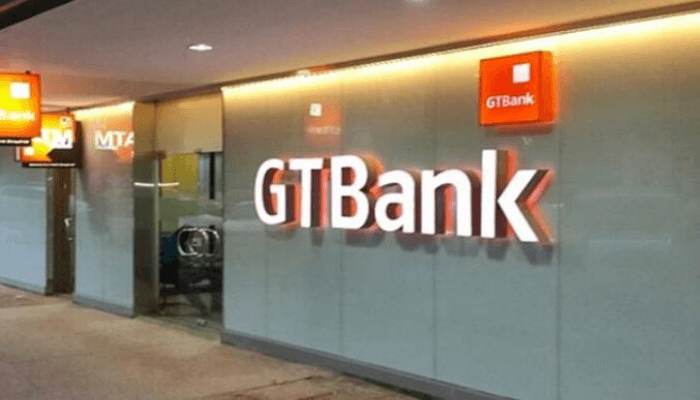
For anyone tracking where Africa's serious money sleeps at night, Guaranty Trust Bank just sent a signal louder than any earnings call. The Lagos-based lender, the crown jewel of GTCO Plc, has quietly become the first Nigerian bank to let its customers push quarterly dollar spending on cards to $40,000. In a country where the naira has lost nearly two-thirds of its value against the greenback in a year, that number is not just a limit — it is a statement about who gets to move capital and who gets left behind.
GTBank has long been the bank of Nigeria's polished elite, the kind of institution that dresses its branches in glass and calm, where the country's traders, tech founders and old-money families keep their offshore ambitions on a single card. By lifting the quarterly ceiling from the previous $10,000 or so — the exact old figure is not disclosed in the announcement — to $40,000, it is effectively saying: if you have the dollars, we have the pipes. The move, reported by BusinessDay Nigeria, is the first of its kind among the country's commercial banks, and it lands at a moment when Nigeria's central bank has been loosening its grip on the official exchange rate, letting the naira float closer to market reality.
To understand why this matters, you need to feel the everyday friction of doing business in Nigeria. Foreign exchange is the country's most guarded commodity. For years, banks capped card spending abroad at levels that made a week in London or a hospital bill in India a bureaucratic ordeal. Frequent travelers, medical tourists and parents of students in the UK or Canada have had to stack multiple cards, call relationship managers, or route money through friends. GTBank's move cuts that knot for its wealthiest clients, but it also reveals a deeper truth: the bank is betting that the dollar will keep flowing, and that its customers' appetite for foreign spending is not a passing whim but a structural feature of Nigerian wealth.
The timing is deliberate. With the naira more flexible, banks can price risk better, and GTCO — the holding company that spun off its banking arm in a 2021 restructuring — is positioning to capture the premium end of a market that is increasingly polarized. The rich are getting richer in dollar terms, and they want their banking to feel global. The middle class, meanwhile, is still queuing for cash at ATMs. That gap is the story of Africa's largest economy right now, and GTBank is not trying to bridge it; it is trying to serve it.
For the wider continent, this is a bellwether. Nigeria's banks are the most sophisticated in West Africa, and what they do with cards and forex limits tends to ripple across Ghana, Kenya and beyond. If GTBank can make a $40,000 quarterly spend work — meaning it can source the dollars, manage the settlement risk and keep regulators happy — other lenders will follow. That would mark a quiet revolution in how African wealth accesses the global economy: less begging for permission, more seamless movement. It also raises uncomfortable questions about inequality, but that is not the bank's problem; its problem is liquidity, and this move says it has enough.
Looking ahead, the real test is not the limit itself but the execution. Will GTBank hold the rate for card transactions close to the official market, or will it quietly add spreads that eat into the benefit? And will the central bank, which has historically frowned on capital flight, let this stand? For now, the message to the continent's money movers is clear: Nigeria's premier bank is no longer treating the dollar as a scarce ration. It is treating it as a product. That is a shift worth watching from London, Dubai or anywhere else African capital lands.