The Nationalisation of British Steel: A $2.5 Billion Bet on Sovereign Supply Chains
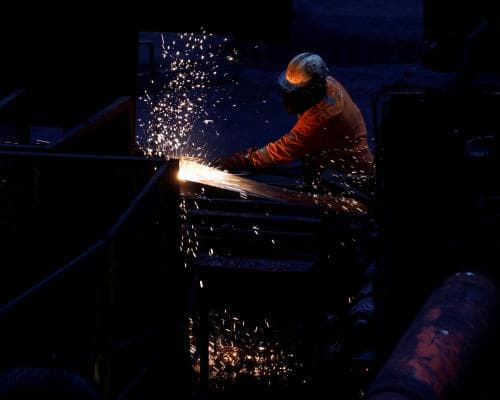
Here’s a number that should make any serious capital allocator sit up: the UK just nationalised its last virgin steel producer. British Steel, the sprawling Scunthorpe-based mill that feeds the country’s railways and construction, is now a state asset. Business secretary Peter Kyle didn’t mince words this morning—if this plant disappeared, he said, Britain would be “at the mercy of international markets” for the steel that holds up its infrastructure. That’s not a throwaway line. That’s a thesis.
This isn’t 1945. This is 2024. And the logic here is cold and hard: when supply chains become weapons, you own the factory. The government stepped in because no private buyer would. British Steel has been bleeding cash for years, weighed down by aging blast furnaces, carbon compliance costs, and cheap Chinese imports. The alternative was a controlled shutdown—a loss of 4,000 direct jobs and a gaping hole in the UK’s industrial base. So the state took the keys. The deal size hasn’t been officially disclosed, but analysts peg the acquisition and initial transition costs in the billions—likely north of £2 billion once you account for pension liabilities and environmental upgrades.
Let’s talk about what’s actually at stake here. This isn’t a bailout of a failing car plant. This is about virgin steel—the kind made from iron ore in a blast furnace, not melted scrap in an electric arc. Virgin steel is what goes into high-stress infrastructure: rail tracks, bridge beams, pressure vessels. Without it, the UK would import every tonne of fresh structural steel, and that means pricing power shifts overseas. The government’s steel strategy explicitly aims to transition to “green steel”—likely hydrogen-based direct reduction—but that’s a decade away and costs billions more. For now, the blast furnaces keep burning, and the taxpayer swallows the operating losses.
Now, the wealth angle. For the ultra-wealthy, this isn’t a story about steel; it’s a story about the re-ordering of risk. When a G7 economy nationalises a basic industry, it sends a signal that the era of pure free-market resource allocation is over in certain sectors. Private capital has been retreating from heavy industry for years—too capital-intensive, too cyclical, too politically exposed. This deal confirms that retreat. The smart money is watching where the state steps in next: semiconductors, rare earths, lithium refining, battery manufacturing. If you’re a family office or a sovereign wealth fund, you’re now asking whether your portfolio is weighted toward assets the state will protect or abandon.
There’s also a subtler message in the timing. The UK economy grew just 0.1% in May—anaemic, fragile, a hair’s breadth from recession. Nationalising a loss-making steel mill isn’t a growth play; it’s a defensive crouch. The CBI’s chief executive warned this morning that there cannot be another “summer of speculation” about fiscal policy—meaning the business class is rattled by uncertainty. For wealth builders, the lesson is clear: when growth is this thin, governments will prioritise control over efficiency. That creates both risk and opportunity. Assets tied to national security—like British Steel—may trade at a premium in a world where state buyers are the only buyers. But they also come with political strings attached: green mandates, union demands, and no exit.
What happens next? The government says it wants to move to green steel. That means a new plant, new technology, and a whole new capital structure. The private sector will be invited back in—but on the state’s terms. For now, British Steel is a laboratory for how a wealthy nation manages industrial decline and reinvention. For the rest of us, it’s a reminder that the smartest capital isn’t always the fastest-growing. Sometimes, it’s the most resilient. And resilience, in 2024, looks a lot like owning your own blast furnace.