Burnham’s Wealth Tax Punt: A Truce with Capital, a Headache for the Treasury
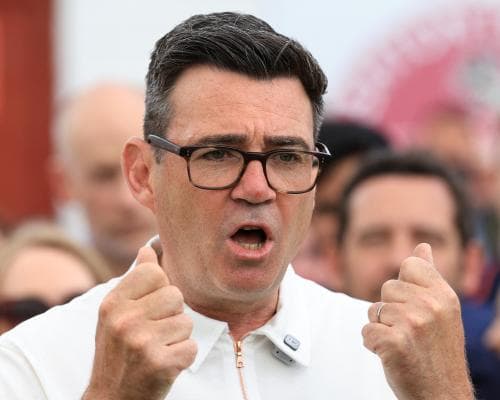
The richest people in Britain just got a reprieve—and it came from an unexpected source. Andy Burnham, the Labour leader about to walk into No. 10, told Gary Lineker on a podcast that he doesn’t want to “create new divisions” with a wealth tax. Translation: the pitchforks are staying in the shed, at least for now.
That single sentence has ripple effects far beyond a footballer’s microphone. For the capital markets crowd, it’s a signal that Burnham’s Labour is more interested in stability than class war. The FTSE 250 barely flinched. Sterling held steady. And the bond vigilantes? They didn’t show up. That’s because the market hates uncertainty more than it hates taxes—and Burnham just removed a big, scary unknown from the menu.
Let’s get into the numbers. The UK’s wealthiest 1% hold roughly £2.6 trillion in assets, according to the Wealth Tax Commission. A modest 1% annual levy on that pool would raise about £26 billion—enough to plug the £4.7 billion defence hole Burnham inherits and then some. But he’s not taking it. Why? Because the cost of capital flight, legal avoidance, and a stampede of high-net-worth individuals to Monaco or Singapore could wipe out those gains. The Laffer curve isn’t just for income taxes; it applies to wealth taxes too.
The mechanics here are fascinating. Burnham’s allies are briefing that Shabana Mahmood, the home secretary, is the frontrunner for chancellor. That’s a centrist pick, not a Corbynite. It tells you the faction that wants to reassure the City is winning the internal battle. But the left wing of Labour is furious. They see a wealth tax as the defining moral issue of the era—a way to fund public services without squeezing working families. Burnham’s answer is essentially: “Not today, maybe tomorrow.” That’s a dangerous game of fiscal chicken.
What does this mean for the wealthy? For now, the all-clear has sounded. If you’re a UK-based billionaire or a fund manager with a seven-figure bonus, you can breathe. But the phrase “at some point that might be having to ask for a little more” is a ticking clock. Burnham didn’t rule out a wealth tax in the future—he just postponed it. That means estate planners and tax advisors are already mapping out trust structures, offshore vehicles, and non-dom strategies before the door slams shut. The smart money is hedging, not celebrating.
For the markets, this is a stable but fragile equilibrium. The lack of a wealth tax removes a near-term risk premium from UK assets. But it also leaves Burnham with a funding gap that will have to be filled somewhere—corporate taxes, capital gains, or borrowing. If he borrows, gilt yields could rise. If he raises corporate taxes, the equity market will grumble. The path of least resistance is a slow squeeze on the middle class, which is politically toxic. Wealth builders should watch the Autumn Budget like hawks. That’s when the real choices will be made.
The bigger picture: Burnham is trying to govern from the center-left in an era of populist rage. He’s betting that stability and competence will win over voters more than redistribution. It’s a high-stakes wager. If the economy ticks up, he’ll be hailed as a pragmatist. If it stumbles, the left will say he sold out for a pat on the back from the City. For now, the smart capital is staying put, but with one eye on the exit. The wealth tax isn’t dead—it’s just sleeping.