BHP’s Port Hedland Showdown: The First Strike in Decades Hits the World’s Biggest Iron Ore Machine

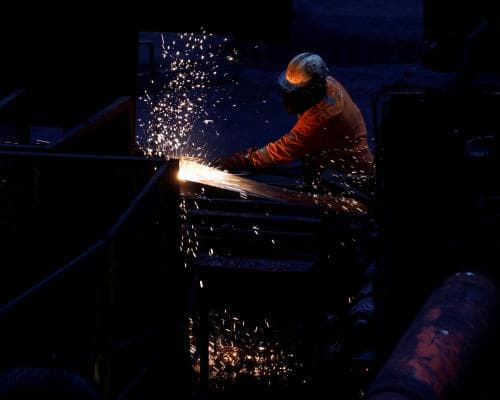
Here’s a number that should make every commodities trader sit up: eight hours. That’s how long more than half of BHP’s workforce at its Port Hedland bulk export terminal are expected to walk off the job on Thursday afternoon. It doesn’t sound like much—until you remember this is the world’s largest bulk iron ore export operation. And it hasn’t seen a strike in decades.
This isn’t just a labor dispute. It’s a stress test for the global iron ore supply chain, a reminder that the machinery of wealth doesn’t run on ore alone—it runs on people. And those people are demanding a bigger slice of the pie. Western Australia Premier Roger Cook has pleaded for compromise, calling the action “concerning” and urging both sides back to the bargaining table. But the clock is ticking.
Let’s talk scale. Port Hedland is the beating heart of BHP’s iron ore empire—the same iron ore that generated over $20 billion in earnings for the miner last year. The terminal handles roughly 500 million tonnes of ore annually, feeding China’s steel mills and, by extension, the global construction and manufacturing economy. A strike, even a short one, can ripple through shipping schedules, port queues, and ultimately, spot prices. The last time workers here downed tools, the Soviet Union still existed.
The mechanics are straightforward: roughly 230 of the 450 workers at the terminal are expected to strike for a single eight-hour shift. That’s a surgical action—enough to cause disruption, not enough to trigger force majeure. But the symbolism is potent. BHP has been posting record profits on the back of high iron ore prices, and unions are signaling that the era of docile labor relations in the Pilbara may be ending. The miners want higher wages, better rosters, and a share of the spoils from a commodity boom that has made BHP a $240 billion giant.
For the wealthy—the fund managers, family offices, and sovereign wealth funds that hold BHP stock—this is a risk to watch. Labor costs are rising across Australian mining, and a precedent-setting win here could embolden workers at Rio Tinto and Fortescue. BHP’s margins are fat, but they’re not infinite. A 5% wage hike across the workforce eats into free cash flow that could otherwise go to dividends or buybacks. And BHP’s dividend yield, currently around 4.5%, is a key draw for income-focused investors.
But there’s a deeper signal here. The strike comes as Australia’s labor market remains historically tight, with unemployment at 3.7%. Workers have leverage, and they’re using it. This isn’t just about iron ore—it’s about the broader recalibration of power between capital and labor in the resource sector. If BHP blinks, expect copycat actions. If it holds firm, expect a longer, uglier fight.
What happens next will be telling. The eight-hour stoppage is a warning shot. If it escalates into rolling strikes or a full-blown work stoppage, iron ore prices—already elevated at around $120 per tonne—could spike. That’s good for BHP’s top line in the short term, but bad for its labor relations and long-term cost structure. For the smart capital watching from the sidelines, the real play is in the options market: volatility is coming, and positioning for it is smarter than betting on a straight direction.
In the end, this is a story about leverage—physical, financial, and human. BHP has the ore. The workers have the hands. And the market has the memory. The last time Port Hedland went quiet, the world was a very different place. Investors should pay attention to the silence.