Elumelu Adds 6 Million Seplat Shares as Stake Climbs to 21%
Tony Elumelu's Heirs Energies bought 6 million more Seplat Energy shares at £8.87 each, lifting his combined stake to 21.07% in a £53.22 million deal.
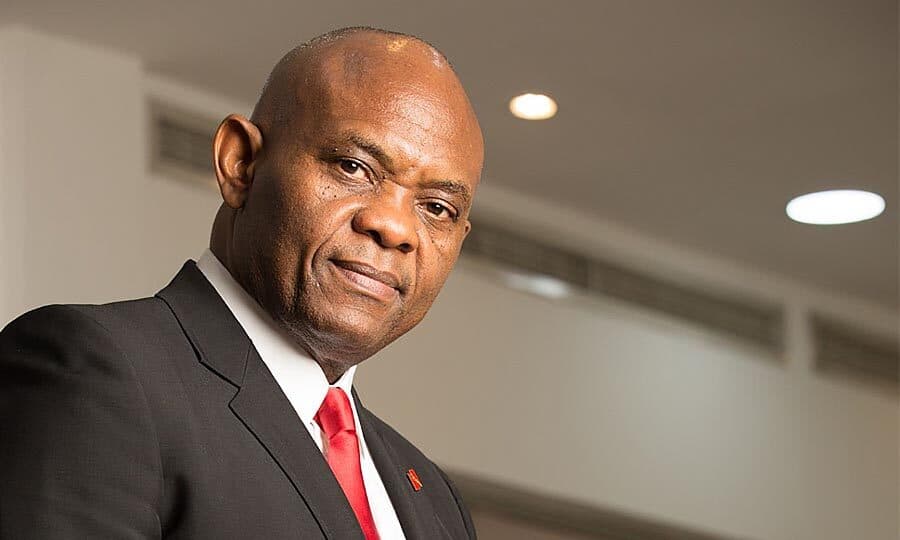
Tony Elumelu did not become one of Africa's most closely watched capitalists by sitting still. On September 30, his Heirs Energies went back to the market for another 6 million shares of Seplat Energy Plc — the Nigerian upstream company where he serves as a non-executive director — pushing his combined holding to 21.07 percent. The tranche cleared at £8.87 per share, roughly £53.22 million in fresh capital. That is not a rounding error, and it is not a passive index tweak.
The arithmetic matters. Seplat has 599.94 million issued ordinary shares, and Elumelu's position now spans just over a fifth of the company. At the Nigerian Exchange's September 30 close of N16,000.10, the stake is worth about N2.02 trillion, or $1.52 billion. The disclosure ran across both the NGX and the London Stock Exchange, a dual listing that tells you who Seplat's shareholder base actually is. The new purchase also lifted Heirs Energies' direct holding to 27.94 million ordinary shares, up from the prior 20.07 percent threshold.
For readers who do not track Lagos boardrooms daily: Seplat is not a generic oil stock. It is one of the few Nigerian independents that swallowed assets from the international majors — ExxonMobil's shallow-water portfolio among them — and it trades in London as well as Lagos. Elumelu is the banker-turned-industrialist behind Heirs Holdings and United Bank for Africa, and his family name carries weight across power, insurance, healthcare and now upstream energy. The original 20.07 percent block, 120.4 million shares, came from French group Maurel & Prom at 305 pence per share in a transaction valued at $496 million. The latest entry price is nearly triple that initial valuation — a premium that says more about what Seplat has become than about what Elumelu paid.
The timing is not accidental. Seplat shares rose 40.8 percent in the third quarter alone, climbing from N11,363.90 on July 1 to N16,000.10 by September 30, with a year-to-date gain above 175 percent. The stock hit an all-time high of N16,000 on September 24 after a single-session jump of 7.3 percent. Brent crude's push past $100 in September, driven by supply disruptions around the Strait of Hormuz, pulled institutional money toward Nigerian upstream assets. Elumelu's baseline 120.4 million shares alone appreciated by roughly $459 million in the quarter, taking that slice from $991.3 million to $1.45 billion. Buying more at the top is a statement.
What it signals is a broader shift in how African wealth is being built and held. The continent's richest figures are no longer content to park money in telecoms or cement and collect dividends. They are consolidating strategic positions in energy, the sector that still underwrites Nigeria's foreign exchange and government revenue, and they are doing it through listed vehicles that global funds can actually access. Heirs Energies' move is a bet that Seplat's cash flows and asset base will keep compounding — and that Lagos, despite its currency and policy headaches, remains a market where a well-connected local player can move at scale.
Watch the next filing. If Seplat's rally holds and Elumelu keeps adding, the question shifts from whether he controls a fifth of the company to what he intends to do with it. For a man who has spent three decades converting banking capital into industrial assets, 21 percent is rarely a destination.


