BrewDog’s James Watt Is Back With a Second Act—and a Privacy Storm That Could Sink It
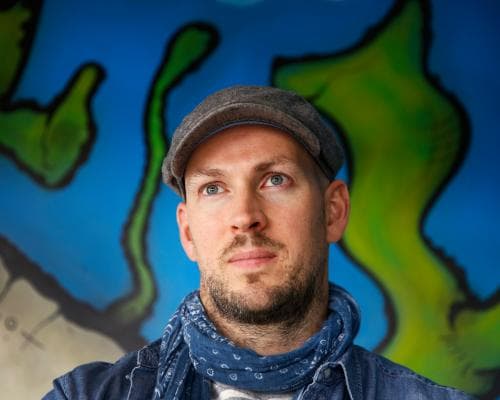
James Watt built his career on punk attitude. He called his investors “equity punks.” He sold them shares in BrewDog with promises of revolution and returns. Then, in March, he sold the company to Tilray, a US cannabis and drinks firm, for £33 million—a price that wiped out the paper value of those same investors. Now he wants them back. And he’s emailing them out of the blue, offering free stakes in a new venture called Second Best. The problem? He may have broken the law to get their contact details.
Let’s be clear about the scale of this. BrewDog wasn’t some tiny craft brewery—it was a cultural phenomenon backed by 200,000 crowdfunding investors. When Watt and his co-founder sold to Tilray, those shareholders got exactly zero. The deal was structured so that the company’s debt, brand, breweries, and bars went to Tilray, and the equity punks were left holding air. Now Watt says he wants to buy it all back, with support from 43,000 of those former shareholders, via Second Best. He’s offering them the “exact same stake” they once held in BrewDog, for free. It sounds like a redemption arc. But the mechanics are ugly.
How did Watt get the email addresses of thousands of former shareholders? He won’t say. Several recipients told the Guardian they were baffled—and angry. Under UK law, the General Data Protection Regulation (GDPR) strictly limits how companies can collect, store, and use personal data. If Watt used BrewDog’s shareholder list for a personal venture without explicit consent, that’s a breach. The Information Commissioner’s Office (ICO) has received complaints and is now considering whether to investigate. If it finds a violation, the ICO can impose fines or force changes to how data is handled. For a founder trying to stage a comeback, that’s a legal time bomb.
The financial stakes here are more symbolic than massive. The £33 million sale price was modest by global M&A standards—a rounding error for the big private equity firms that usually populate this desk’s coverage. But the story matters for wealth builders because it reveals something about founder psychology and the fragility of crowdfunded equity. When you sell shares to the public, even via crowdfunding, you take on fiduciary duties. Watt’s pitch to the equity punks was built on loyalty and shared identity. Now he’s asking them to trust him again, with the same people who lost everything in the Tilray deal. Trust, once shattered, is expensive to rebuild.
What does this signal for markets? For one, it’s a reminder that crowdfunding is a high-risk asset class. The BrewDog saga is a textbook case: a charismatic founder raises millions from retail investors, builds a brand, then sells to a larger player in a deal that prioritizes debt repayment over shareholder value. The equity punks were essentially unsecured creditors in a controlled exit. For wealthy individuals who dabble in private placements or direct-to-consumer equity, this is a red flag. Always check the liquidation preferences. Always ask: what happens to my shares if the founder decides to cash out?
Looking ahead, the ICO’s decision will set a precedent. If Watt is cleared, it could embolden other founders to treat shareholder data as their own. If he’s fined or forced to stop, it sends a clear signal: your equity punks aren’t your personal mailing list. For Second Best to succeed, Watt needs to win back trust—and that means coming clean about how he got those emails. In the world of high-net-worth capital, reputation is the only asset that doesn’t appear on a balance sheet. Right now, James Watt’s is on thin ice.