The £5 Million Crypto Gift That’s Rocking Reform UK’s Finances
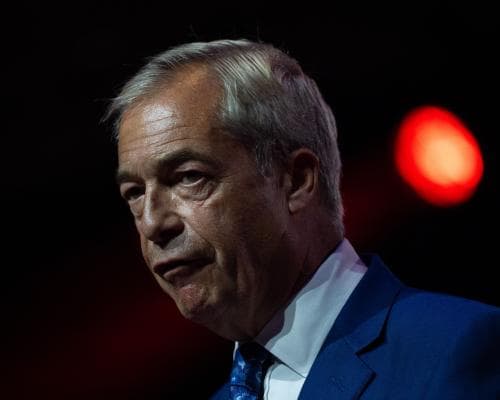
Imagine you’re a political insurgent, riding a wave of populist anger, and suddenly a crypto billionaire drops £5 million into your lap. That’s the story Nigel Farage is now trying to spin—but the narrative is slipping away from him.
At the Conservative Political Action Conference in London’s docklands this weekend, Farage didn’t talk about policy or polling. He talked about being “dehumanised” and “demonised.” His target? The two parliamentary standards inquiries opened after the Guardian revealed in April that Farage had accepted a £5 million gift from Christopher Harborne, a shadowy crypto billionaire, just before the last election. Farage called it a “coordinated pile-on.” But for anyone watching the money, it looks more like a classic case of political finance catching up with reality.
The scale of the gift is striking. £5 million is not loose change—it’s the kind of sum that can reshape an entire election campaign. Harborne, who made his fortune in cryptocurrency and aviation fuel trading, is not a household name. But his wealth is very real. The donation was made through a company called Reform UK Ltd, the party’s corporate entity, which means the source of the cash is harder to trace than a standard party donation. That opacity is exactly what the standards inquiries are probing. For wealthy individuals who back political causes, this is a cautionary tale: the rules on transparency are tightening, and a big check can bring big scrutiny.
Here’s how the mechanics work. Under UK law, political donations over £7,500 must be declared to the Electoral Commission. But corporate donations can be routed through companies, making the ultimate beneficiary harder to identify. Harborne’s £5 million gift was structured in a way that has now triggered two separate inquiries—one by the Parliamentary Commissioner for Standards, the other by the Electoral Commission. The question isn’t whether the money was legal; it’s whether the disclosure was adequate. For the ultra-wealthy, this is a familiar dance: the line between legitimate support and regulatory risk is often drawn in grey ink.
The rarity here isn’t the donation itself—big money has always flowed to politics. It’s the speed and the source. Crypto wealth is notoriously volatile and opaque, and Harborne’s fortune is tied to digital assets that can swing by billions in a single day. That makes him a unique player in political finance. Most big donors are real estate moguls or hedge fund titans. Crypto billionaires are a new breed, and they bring a new kind of risk. For Reform UK, the Harborne connection is both a lifeline and a liability. The party needs cash to compete, but the scrutiny that comes with it is eroding Farage’s populist brand.
What does this signal for markets and the wealthy? First, political donations are becoming a higher-stakes game. Transparency rules are tightening in the UK and across Europe, and the days of anonymous big-money backing are numbered. Second, crypto wealth is entering the political arena in a serious way, and that means regulators will start paying closer attention to how these fortunes are made and moved. For wealth builders, the lesson is blunt: if you’re going to back a political movement, be ready for the spotlight. A £5 million gift can buy influence, but it can also buy an inquiry.
Looking ahead, Farage’s rhetoric about a “coordinated pile-on” is unlikely to stop the investigations. The inquiries will probe not just the Harborne donation but also the broader financial structure of Reform UK. For the party, the timing is brutal—just as it’s gaining traction in the polls, its finances are under a microscope. For the wealthy watching from the sidelines, the takeaway is clear: political capital is expensive, and the price of transparency is only going up. The smartest capital isn’t just deployed—it’s deployed with a clear view of the risks. Harborne’s £5 million is now a case study in how quickly a gift can become a gilded cage.
More in MONEY

BrewDog’s James Watt Is Back With a Second Act—and a Privacy Storm That Could Sink It

Greystar Under Fire: America’s Biggest Landlord Faces a Civil Rights Reckoning — and a Reputational Risk for Institutional Capital
Inside the Treasury Sweepstakes: Why Business Is Betting on Shabana Mahmood Over Ed Miliband