Ecobank signs on to China's CIPS as African banks race to wire the yuan corridor
Ecobank will join China's CIPS yuan settlement platform and is in talks with Bank of China, as African lenders build rails for rising China trade.
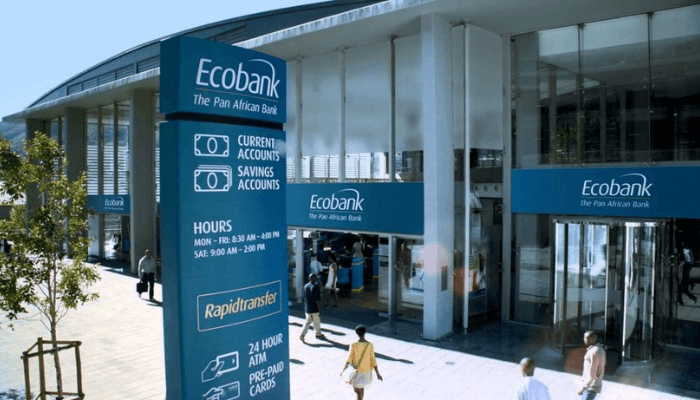
Lagos boardrooms have spent a decade watching China become Africa's largest trading partner without owning the plumbing that moves the money. That is now changing fast, and Ecobank — the pan-African lender with a footprint in 34 countries — has just moved to put itself at the centre of it.
Ecobank will sign an agreement to join the China Interbank Payments System, or CIPS, the network Beijing built to clear cross-border yuan transactions. Chief executive Jeremy Awori confirmed the plan to Reuters ahead of a signing in China on Saturday. CIPS already connects more than 5,000 banks across over 100 countries and territories, Awori said, giving businesses that trade with China a more direct route to settle in renminbi rather than routing everything through dollar correspondent banks. He framed the move plainly: the cooperation strengthens the link between China's RMB payment infrastructure and Ecobank's own African banking and payments platform. The bank is also in talks with Bank of China to jointly offer yuan settlement services, with an announcement expected soon.
For anyone who does not follow African banking closely, Ecobank is not a household name in Europe or America, but it is one of the continent's most strategically placed institutions. Headquartered in Lomé, Togo, it operates across West, Central, East and Southern Africa, which makes it a rare thing: a single bank that can move money through multiple African markets and, increasingly, into Asia. Its size and reach are precisely why a CIPS connection matters. A trader in Accra buying machinery from Guangzhou, or a Nairobi importer settling with a supplier in Shenzhen, currently leans on dollar intermediation that adds cost, delay and currency risk. Direct yuan clearing shortens that chain.
Ecobank is not first, and that is the story. South Africa's Standard Bank became the first African lender to connect to CIPS last November, and last month secured authorisation with Industrial and Commercial Bank of China to clear yuan transactions across the continent. Rwanda's Bank of Kigali has since joined, and Angola's Banco de Fomento Angola is planning to. The scramble is a response to hard numbers: China-Africa trade rose nearly 18 percent last year, according to Chinese customs data, and Beijing removed tariffs on imports from 53 African nations on May 1. When trade volumes grow that quickly, the banks that own the settlement rails capture the fees, the float and the client relationships.
What this signals about African capital is subtler than a simple shift away from the dollar. The greenback remains dominant in global trade and reserves, and no one expects that to flip. But African governments, corporates and banks are quietly diversifying their payment options, partly because Beijing wants the yuan used more widely and is willing to build the infrastructure to make it easy. For African institutions, joining CIPS is less an ideological choice than a commercial one — a way to serve clients who increasingly invoice and borrow in renminbi, and to reduce exposure to dollar liquidity squeezes that have bitten the continent before.
The next test is execution. Signing a memorandum is one thing; building the compliance, treasury and liquidity operations to clear yuan at scale across 34 markets is another. Watch whether Ecobank's talks with Bank of China translate into a functioning clearing arrangement, and whether rivals in Nigeria, Kenya and Francophone West Africa follow. If they do, the yuan corridor into Africa will stop being a novelty and start being a default.