The Crémant Coup: Why the World’s Most Discerning Palates Are Trading Champagne for Terroir-Driven Fizz
The moment came, as it often does for those of us who live by the calendar of the exceptional, in the middle of a Tuesday that felt like every other Tuesday. I was staring at a wall of champagne flutes, each one a reminder of a celebration that had long since lost its novelty. And I realized: the real luxury isn’t the pop of a cork on a milestone birthday. It’s the quiet, defiant pleasure of a brilliant fizz on an ordinary night, when the world feels heavy and your own small kingdom needs a little light. That’s when I stopped stockpiling sparkling wine for special occasions. I started drinking it because, well, why not? The grim news cycle, the endless meetings, the small victories of a day survived—those became the only excuses I needed. And I’m not alone. The global sparkling wine market has swelled from €2.3 billion to €8.5 billion over the past quarter-century, growing faster than any other wine style. The pandemic may have caused a momentary dip, but the trajectory is clear: bubbles are no longer reserved for weddings and New Year’s Eve. They are the everyday armor of the civilized.
But here’s the rub that every seasoned collector understands: not all bubbles are created equal, and not every budget can sustain a steady flow of Krug or Dom Pérignon. Prosecco, for all its cheerful froth, lacks the depth that a discerning drinker craves—unless it’s mixed with something bitter to give it spine. Pét-nat, with its funky unpredictability, is a mood, not a staple. Enter crémant. This is the silent workhorse of the French sparkling wine world, the unsung hero that has been quietly outshining its more famous cousin for years. Made with the same traditional method as Champagne—a second fermentation in the bottle, aging on the lees for complexity—crémant is no knockoff. It is a distinct expression of terroir, a liquid postcard from the limestone soils of the Loire, the sun-drenched vineyards of Bordeaux, the aromatic hills of Alsace. It offers the same elegant bead, the same brioche notes, the same celebratory lift, but at a fraction of the price. Think of it as the Björn Again of French fizz: familiar, but with its own irresistible groove.
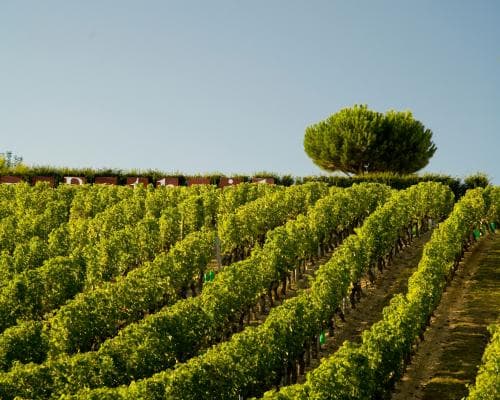
The craftsmanship here is everything. A crémant de Loire, for instance, draws its zing and mineral precision from chenin blanc grown on chalky limestone, often blended with chardonnay, cabernet franc, or pinot noir. It’s a wine that tastes of river stones and morning mist. A crémant de Bordeaux, by contrast, uses semillon and merlot—the region’s noble red grapes—to create a fuller, more generous fizz, with warm brioche notes that speak of longer, sunnier days. Then there’s crémant d’Alsace, where pinot blanc (often blended with chardonnay) produces a refreshing, aromatic sparkler that pairs effortlessly with spice or an afternoon aperitif. And from Limoux, in the Languedoc, comes a famously ripe style that rivals any Champagne in its creamy richness. The price tags? Start at £10 for a bottle that delivers serious bang for your buck. At £13.75, the Society’s Celebration Crémant de Loire 2023 offers fresh, mineral-driven elegance that would cost three times as much if it bore the Champagne label. This isn’t austerity drinking. This is intelligence.
What does this shift signal about wealth and taste? It signals a quiet revolution. The ultra-wealthy have long understood that true status is not about the most expensive bottle on the list—it’s about the bottle that reveals knowledge. Ordering a Grand Cru Champagne is easy; it announces your budget. Ordering a crémant from a specific appellation, and explaining why you chose it, announces your palate. It says you value terroir over marketing, craftsmanship over cachet. In a world where every luxury brand is chasing exclusivity, the real connoisseur finds it in the overlooked corners of France’s wine regions. Crémant is the insider’s move. It’s the bottle you bring to a dinner party when you want to impress the host without shouting. It’s the fizz you open on a Tuesday because you know that the best celebrations are the ones you invent for yourself.
Looking ahead, the trajectory is clear. As the global appetite for sparkling wine continues to rise—and as climate pressures push Champagne vineyards to their limits—crémant is poised to become not just an alternative, but a first choice for a new generation of collectors. The regions of Loire, Alsace, Bordeaux, and Limoux are producing wines of remarkable character, and the price-to-quality ratio is simply unmatched. The age of austerity, as some have called it, has taught us one essential truth: it is always time for sparkling wine, so long as the price is right. But for those who can afford anything, the real luxury is choosing something that costs less but delivers more. That is the crémant coup. And it’s just getting started.
The Experience
Arrange a private tasting of France’s finest crémants through our concierge partners, who will curate a flight of six appellation-specific bottles delivered to your door with tasting notes from a master sommelier.