The Salt Renaissance: Why the World’s Most Discerning Palates Are Trading Sugar for Flakes of Jurassic Coast Gold
On a sweltering afternoon in Marylebone, the city’s most discreet set isn’t reaching for a frosty bellini. They are ordering a glass of sparkling water, fresh lime, and black salt. It sounds almost monastic. But this is Jikoni, where head of drinks Jade Harman has turned a humble Indian street-corner staple—nimbu pani—into a quiet status signal. The salt doesn’t just cut bitterness and improve hydration. It announces something louder than any label: you know that true refreshment is a matter of chemistry, not calories.
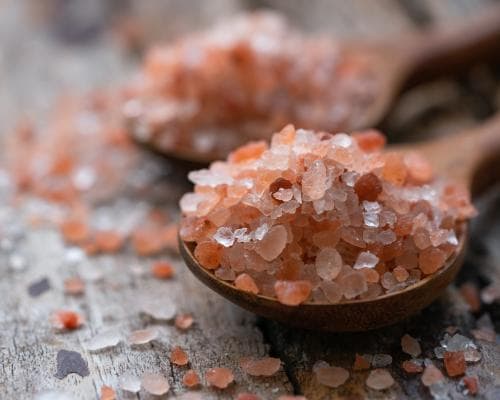
This summer, as Europe sweats through another heatwave, the world’s most interesting bars are abandoning the sugar-laden playbook. Salt is the new cool. Not the dusty shaker on your counter, but hand-harvested flakes from the Jurassic Coast, rosy pink crystals from the Himalayas, and grey grains from ancient sea beds. The shift is driven by a broader rebellion against sweetness. Savoury is the new luxury. At Vesper in east London, Jackson Boxer serves icy, non-alcoholic gin and tonics infused with Cornish sea salt and coastal botanicals. Matcha enthusiasts are adding coarse flaky sea salt to draw out umami. And at Ellie’s in Dalston, co-founder of the agency Malik Acid World, Cameron Malik-Flynn, has created a sour watermelon tequila soda crowned with a salted matcha vegan cream. His reasoning is precise: “Salt within a drink really pulls through the flavour of the other ingredients. It makes a drink feel more adult and considered.”
The numbers are telling. This is not a trend born in a test kitchen; it is a return to ancient wisdom. Street vendors in India and Mexico have long known that a pinch of salt in a limeade or a tamarind soda is the ultimate rehydrator. But today’s version is a study in provenance. The Dorset Sea Salt Company, whose flakes are hand-harvested from the Jurassic Coast, has become the darling of chefs who treat salt the way a sommelier treats a grand cru. Caleb Tennant, who works with the company, explains: “Natural sea salt offers a cleaner, more rounded flavour. It’s the difference between simply making food salty and actually building flavour.” This is the new fancification of the pantry—following the same arc as olive oil, which was once a commodity and is now a collector’s item with single-estate pedigree. Even Maldon sea salt flakes, that quiet British staple, earned a product-placement cameo in the upcoming The Devil Wears Prada sequel, sitting on a kitchen countertop like a Cartier box.
What does this signal about wealth and taste? In a world where the ultra-wealthy have everything, the most exclusive commodity is intention. A $30 cocktail made with hand-harvested sea salt, fresh fruit, and no artificial modifiers says: I don’t need to prove my status with a bottle of vintage Champagne. I prove it with a considered ingredient that most people overlook. Malik-Flynn puts it bluntly: “People are becoming more aware of and moving away from drinks made from pre-packaged syrups and terrible modifiers filled with E-numbers.” The salt trend is a rejection of mass-market shortcuts. It is a return to craft, to the mineral’s ancient role as a preservative and a flavour builder. And it is a quiet rebellion against the sugar-industrial complex that has dominated palates for decades.
Looking ahead, the salt renaissance is only accelerating. As collectors begin to prize limited-edition salt harvests—much like they do olive oils or vintage balsamics—we will see the rise of salt tastings, salt pairings, and salt sommeliers. The ingredient that once cost pennies will command hundreds of dollars per tin, sourced from a single tide pool on a protected coastline. The hottest accessory this summer isn’t a watch or a handbag. It is a glass of something savoury, icy, and salted with intention. And the people who know that are the ones who never needed to say it out loud.
The Experience
Book a private salt-tasting experience at Jikoni or Vesper, where the world’s rarest sea flakes are paired with bespoke cocktails—available by appointment for discerning palates.