The Ice Cream Crusader: Ben Cohen’s Fight to Free a Brand’s Soul
Ben Cohen is not a man who minces words, especially when it comes to ice cream. The 75-year-old co-founder of Ben & Jerry's recently tasted one of the brand's new chocolate-covered bars and grimaced. “It ain’t the same,” he told the Guardian, noting the ice cream was “kinda fluffy” — a cardinal sin in the frozen dessert world, where extra air means lower quality and higher profits. But Cohen isn't just upset about texture. He's talking about something deeper: the soul of the company he built with his childhood friend Jerry Greenfield in a converted gas station in Burlington, Vermont, back in 1978.
That gas station became a cultural phenomenon, known as much for its chunky, creamy pints as for its loud, progressive politics. Ben & Jerry's took stands on climate change, racial justice, and marriage equality long before it was fashionable for corporations to do so. For decades, a unique governance structure protected this activism: an independent board that had final say over the brand's voice, values, and even its recipes. But Cohen says that independence has been hollowed out by Unilever, the multinational that acquired Ben & Jerry's in 2000. In his view, the parent company has muzzled the brand's activism, turning a beloved social enterprise into just another commodity.
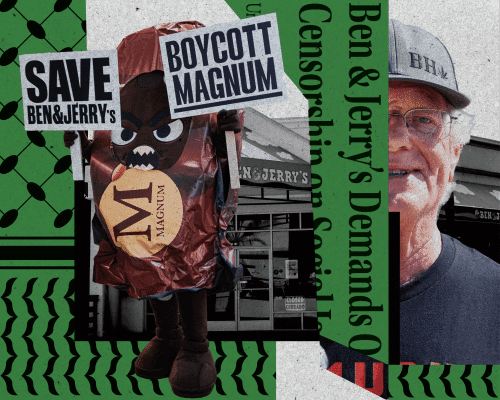
Now Cohen is fighting back. In November 2024, the Ben & Jerry's board sued Unilever, alleging the company breached their agreement by blocking the brand from speaking out on Gaza. Then, in September 2025, after Unilever announced plans to spin off its ice-cream division into the Magnum Ice Cream Company, Cohen launched his most audacious move yet: a campaign to “Free Ben & Jerry's.” The goal is simple, if daunting — persuade Magnum to sell the brand so it can be independently owned and operated once again, with its activist DNA intact.
The campaign is not just a nostalgic plea. Cohen is marshaling legal arguments, public pressure, and financial logic. He estimates Ben & Jerry's could be worth $1 billion or more, but says Magnum has refused to share the financial data that would allow potential investors, including Cohen himself, to make a serious offer. “What consumers want above all is authenticity and attitude,” Cohen insists, arguing that the brand's social mission is not a liability but its core competitive advantage. Without it, he warns, Ben & Jerry's is just another ice cream in a crowded freezer aisle.
Cohen's fight is being watched closely by the broader philanthropic and business communities. It raises profound questions about how companies can preserve their values after being acquired by larger conglomerates. Philanthropy isn't just about writing checks, Cohen's campaign suggests — it's about ensuring that the structures that enable giving and advocacy survive corporate consolidation. His battle is a case study in what happens when a company's social mission is treated as a marketing gimmick rather than a foundational principle.
For everyday consumers, the stakes may feel abstract, but Cohen makes it personal. He's asking people to think about where their money goes and what it supports. When you buy a pint of Cherry Garcia, are you supporting a brand that fights for justice, or one that's been reduced to a shell of its former self? Cohen's answer is clear: he wants the real thing back. He's not just fighting for a recipe; he's fighting for the idea that business can be a force for good, and that authenticity is worth more than efficiency.
Whether Cohen wins or loses in court, his campaign has already ignited a conversation about the fate of values-driven brands in an era of mega-mergers. It's a reminder that philanthropy and activism are not just about donations, but about stewardship — protecting the institutions and ideals that make giving meaningful. Ben Cohen may be an unlikely hero in a corporate saga, but he's proving that sometimes the most powerful act of generosity is refusing to let a good thing be watered down.