The Long Wait for a Nation's Sorry: David Gibson's Fight for LGBTQ+ Veterans
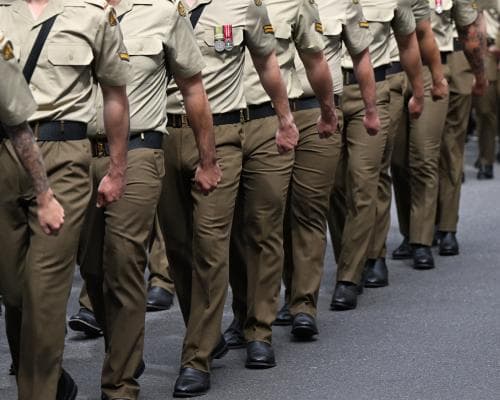
In 1989, David Gibson was not discharged from the Australian Defence Force with a handshake and thanks for his service. He was cast out, interrogated, and abandoned—all because he was bisexual. For decades, he carried the weight of that silence. Now, as chair of GLBTI Rights in Ageing, he is standing before the federal government, demanding something that no parade or medal can replace: a national apology.
Gibson joined the military straight out of high school in the 1980s, brimming with the kind of patriotism that makes a teenager volunteer for the unknown. He was posted to Townsville, where he soon discovered that the ADF ran what he calls "witch hunts" to root out homosexual members. At the time, policy prohibited LGBTQ+ people from serving, and the military police were relentless. Gibson still doesn't know how they found out about his sexuality, but he remembers the interrogation vividly—the endless questions, the pressure to name names, the feeling that the system had turned on him completely.
"I was thinking I just want this interrogation to end," Gibson recalls, "and I foolishly thought … if I just admitted who I was, my true self, that this would be the end." Instead, the interrogation flipped. The military police wanted names, other soldiers he had slept with, and they pushed until he felt so bullied that he made up a situation just to make it stop. He was then sent to a base in Victoria, isolated from other officers, told to work alone in an office, and eventually discharged in 1989. He wasn't given the rights that come with a military justice process—because, as Gibson explains, the ADF didn't want the negative publicity, and they didn't want to grant him the legal protections that process would have afforded.
Gibson's advocacy is rooted in the belief that LGBTQ+ veterans have been invisible for too long. As chair of GLBTI Rights in Ageing, an organisation focused on the wellbeing of older LGBTQ+ Australians, he has made it his mission to bring this history to light. The recent recommendations to the federal government, which include a formal national apology, are the result of years of pressure from Gibson and others who served and suffered. He wants Prime Minister Anthony Albanese to stand before parliament and say the words that have been withheld for decades: "We are sorry."
The apology isn't just a symbolic gesture—it's a recognition of the harm done. Gibson and his colleagues have documented cases of veterans who were stripped of their careers, their mental health, and sometimes their lives because of who they loved. Many were forced out quietly, given administrative discharges that left them without pensions or support. Others were subjected to criminal proceedings, facing jail time for simply being themselves. The apology, Gibson argues, is the first step toward healing and toward ensuring that future generations of LGBTQ+ Australians never have to hide who they are to serve their country.
The impact of this campaign extends far beyond the veterans themselves. It's a reckoning for the ADF, an institution that has long prided itself on honour and duty, but which failed its own people. It's also a message to every LGBTQ+ young person today: the country that once rejected you is now ready to say sorry. Gibson's work with GLBTI Rights in Ageing has already helped shift public opinion and put this issue on the national agenda. And while the apology is not yet official, the momentum is undeniable.
For Gibson, this fight is deeply personal. He still doesn't know how the ADF discovered his secret, but he knows that the interrogation process left scars that never fully healed. "I felt abandoned by the whole system," he says. That feeling of abandonment is what drives him now—not for himself, but for all the veterans who never got to tell their stories. He hopes that an apology will not only acknowledge the past but also create a safer, more inclusive military for the future.
In a country that often celebrates its military heroes, David Gibson is asking Australians to remember the ones who were pushed out. He is not a billionaire, and his wealth is measured not in dollars but in resilience and determination. His philanthropy is of a different kind—a giving of time, voice, and courage to ensure that no one else has to suffer in silence. As the government considers its response, Gibson stands ready, not with anger, but with hope. The apology, he says, is long overdue. And for veterans like him, it might just be the beginning of a long-awaited peace.