Dangote Refinery's $1.63bn IPO: the people's offering that rewrites African capital markets
Dangote Refinery launches Africa's largest-ever IPO at N2.15tn ($1.63bn), inviting retail investors across Nigeria and the continent.
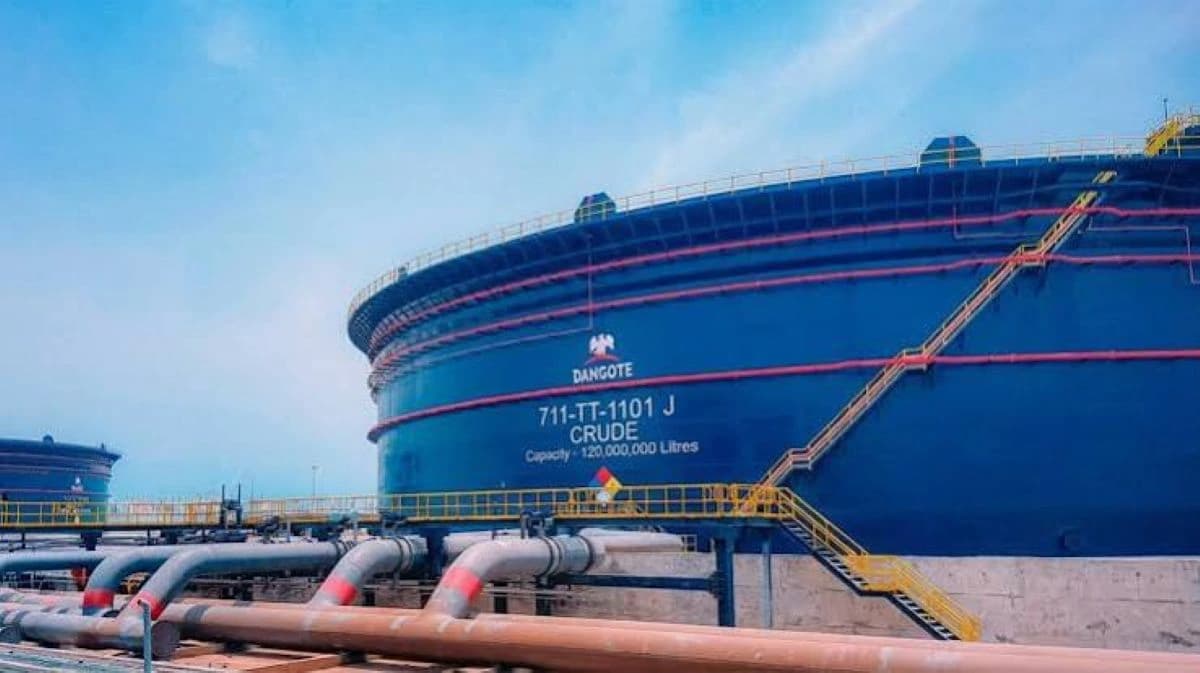
Africa has never seen a public offering like this. When the Dangote Refinery opens its share register to ordinary Nigerians — and to retail investors across the continent — it will be the largest IPO in African history, targeting N2.15 trillion, roughly $1.63 billion. For a continent more accustomed to watching its prize assets list in London or New York, the symbolism is hard to miss. This is a Nigerian industrial crown jewel choosing to raise capital at home, from the public, in naira.
The offer has been branded "the people's IPO," and the structure is deliberate: broad retail inclusion, designed to pull in small investors rather than leaving the book to institutions and offshore funds. The refinery itself is the anchor. Conceived by Aliko Dangote in 2013, it was first planned for the Olokola Free Trade Zone spanning Ondo and Ogun states, before regulatory and logistical bottlenecks forced a relocation. Lagos State, under then-Governor Babatunde Fashola, stepped in with 2,635 hectares inside the Lekki Free Zone — subsidised land that became the project's operational bedrock. Final costs ran to an estimated $19–$20 billion, funded heavily by commercial debt from a consortium of Nigerian and international banks.
For outsiders, the Dangote name needs little introduction, but its weight here is specific. Dangote Group is West Africa's most consequential industrial conglomerate — cement, sugar, fertiliser, and now refining. Aliko Dangote is the visionary and primary risk-taker, the man whose personal industrial willpower carried a project through more than a decade of policy shifts. The state's fingerprints are everywhere. The Central Bank of Nigeria, under Godwin Emefiele, provided intervention funds and prioritised foreign exchange for importing heavy refining equipment during chronic national FX shortages. Former President Muhammadu Buhari supplied political cover, commissioned the plant in May 2023, and authorised NNPC Limited to take a 20% equity stake for $2.76 billion in 2021 — though NNPC ultimately took far less. Buhari also intervened directly with the Indian government to fast-track technology clearances when engineering approvals stalled.
Then came the pushback. Upon completion, the refinery met fierce opposition from local and international oil trading syndicates and from regulators such as the Nigerian Midstream and Downstream Petroleum Regulatory Authority, which delayed licences and saw unsubstantiated claims about product quality. President Bola Tinubu's administration eventually brokered the breakthrough: the Naira-for-Crude framework, which directs NNPC to supply crude to Dangote and other functioning local refineries in naira, removing the dollar burden from feedstock and allowing petrol to be sold to citizens in the local currency. Emefiele had floated the idea in 2021; Tinubu's team designed, approved and enacted it.
What does the IPO signal? That African mega-assets can now be financed by African savers, in local currency, through African exchanges. The Securities and Exchange Commission and the Nigerian Stock Exchange sit at the centre of that transition. For a continent that has spent decades exporting its best companies to foreign bourses, the Dangote listing is a test case: can domestic retail capital absorb a deal of this scale, and can it do so without the foreign-exchange pressures that have historically hollowed out local markets? The answer will shape how the next generation of African industrialists thinks about where to list — and who gets to own the continent's infrastructure.
Watch the subscription numbers, not just the headline figure. If ordinary Nigerians show up in force, the "people's IPO" becomes a template. If they don't, Africa's largest offering will still be a landmark — but one that flattered to deceive. Either way, the refinery has already done something rare: it has made the Nigerian public a stakeholder in the country's most ambitious industrial bet.