Dangote Refinery's $1.4bn IPO opens Africa's most strategic asset to public investors
SEC approves Dangote Refinery's 4.1bn-share IPO, targeting N2.15tn—a landmark moment for Nigeria's capital markets and African energy sovereignty.
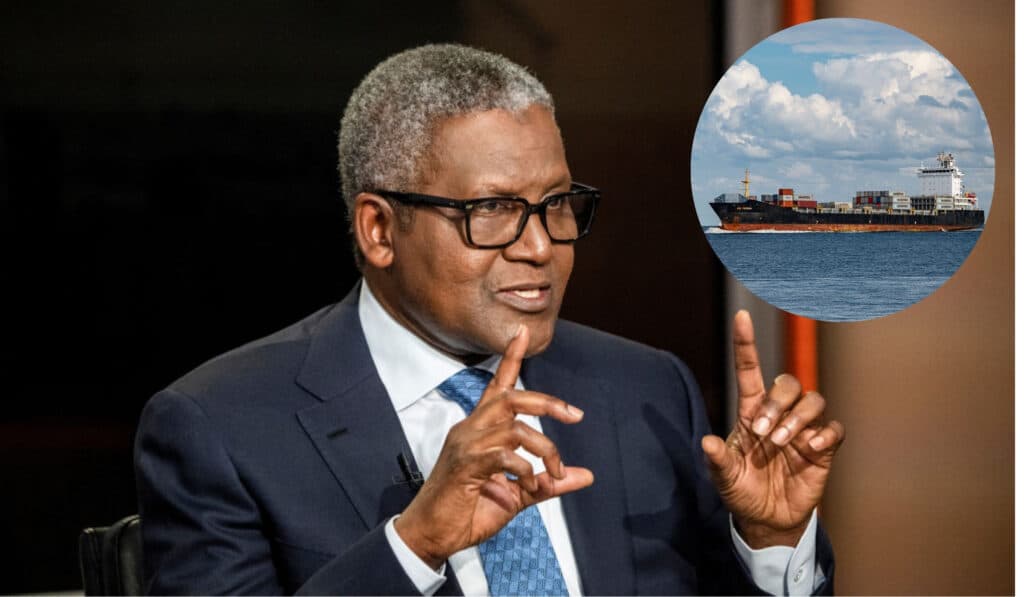
For years, the question hanging over Africa's grandest industrial bet was simple: when would ordinary Nigerians get a piece of the Dangote Refinery? That moment has now arrived, and it is arriving with the force of a 700,000-barrel-per-day colossus. The Securities and Exchange Commission's approval of the refinery's initial public offering—4.1 billion ordinary shares priced at N525 each, potentially raising N2.15 trillion, or roughly $1.4 billion—is not just another listing. It is the unlocking of a national monument to private capital, a signal that Africa's richest man is willing to share the crown jewels.
The mechanics matter here. The SEC's green light, conveyed through Vetiva Advisory Services as lead issuing house, clears the draft offer documents and sets the stage for a completion board meeting and signing ceremony. Beyond the new shares, the regulator has also registered the company's existing 120.13 billion ordinary shares, effectively formalising the entire equity structure of a complex that spans 2,635 hectares in Ibeju-Lekki, Lagos. If fully subscribed, this would rank among the largest capital market transactions in Nigeria's history—a bold statement in a market that has long struggled to offer depth and liquidity beyond banking and telecoms stocks.
To understand why this matters beyond Lagos, you need to grasp what the Dangote Refinery actually represents. Built by Aliko Dangote, the Nigerian industrialist whose empire spans cement, sugar, and flour, this is the world's largest single-train refinery, processing 700,000 barrels per day. It is powered by its own 435-megawatt plant, supported by 177 storage tanks holding 4.7 billion litres, and served by a marine facility that includes five single point moorings—the largest single order of its kind ever placed. The refinery was conceived as Nigeria's answer to a humiliating paradox: an oil-producing nation that imports virtually all its fuel, paying billions in subsidies while its own crude is shipped abroad for processing. At full capacity, it is designed to end that dependence and generate export volumes that could reshape West African energy flows.
The expansion plans only deepen the story. The facility is set to grow to 1.4 million barrels per day, which would make it the largest refinery on the planet. That ambition—combined with a 900,000-tonnes-per-annum polypropylene plant—positions Dangote not merely as a domestic saviour but as a petrochemical powerhouse competing with Middle Eastern and Asian giants. For international readers who track African capital, the IPO is therefore a rare opportunity to own a slice of a strategic asset that governments across the continent have tried and failed to build for decades.
What does this signal about the direction of African wealth? First, it demonstrates that mega-projects can move from vision to public markets without sovereign backing. Dangote built this refinery largely with private debt and equity, navigating currency collapses, regulatory hurdles, and global oil price volatility. Now he is inviting retail and institutional investors to participate in a venture that was once dismissed as folly. Second, it marks a maturation of Nigeria's capital markets—a system often criticised for opacity and shallow listings. A listing of this scale demands transparency, audited accounts, and governance standards that could set a new benchmark for the region.
There are, of course, risks. The N525 price tag is not cheap by Nigerian standards, and the refinery's profitability is tied to global crude margins, domestic fuel pricing politics, and the naira's stability. But the SEC's approval also carries a symbolic weight: it comes amid government efforts to recover stolen capital and rebuild investor confidence. For those who have watched Africa's energy story from afar, this is the moment when the continent's most ambitious industrialist opens his doors to the public. The road from Ibeju-Lekki to the Lagos Stock Exchange has been long, expensive, and fraught. But if this IPO succeeds, it could prove that African capital markets can finance the next generation of infrastructure—and that the wealth of the continent need not remain locked in the hands of a few.