The Quiet Crisis of the English Flat: Why Even Pristine Properties Are Languishing
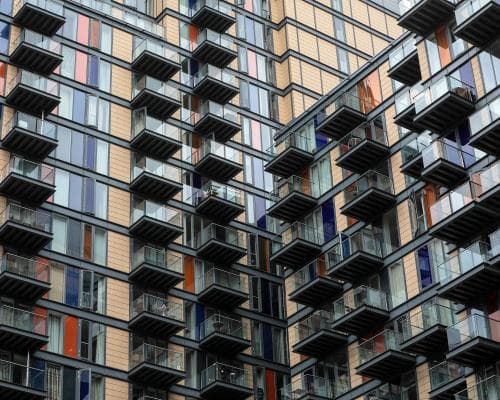
In the rarefied world of prime property, where a London penthouse changes hands over a single lunch and a Cotswolds manor sells before the listing goes live, there is a strange, unsettling silence. It’s not in the mansions or the mews houses. It’s in the flats. The apartments. The very units that once served as the entry ticket to the British property dream. Now, a quiet, stubborn malaise has set in, and it’s not about location, condition, or even price. It’s about a fundamental shift in what the ultra-wealthy and the aspirational alike are willing to touch. The market for flats, as one frustrated seller put it, is dead. And the autopsy reveals something far more interesting than a simple downturn.
Take Susan, a former teacher in a Devon seaside town, who has done everything right. Her two-bedroom flat is immaculate, polished with £20,000 of thoughtful renovations. It boasts sweeping views over the beach, a detail that usually sends buyers into a frenzy. It’s even a freehold, a rare and increasingly coveted status that sidesteps the toxic leasehold system that has burned so many. She’s priced it below what she paid—£280,000 against a £300,000 purchase—and she’s a motivated, chain-free seller. The result? Four viewings in nine months. Four. In a market where a house down the street would have a dozen offers by now. Then there’s Louisa in London, who has spent two and a half years trying to sell a leasehold flat above a barber shop. Three sales have collapsed, the latest after the buyer demanded a £10,000 discount. She’s now down to £145,000 from her £200,000 purchase price, and she’s praying for a cash buyer because banks won’t lend on a property above a commercial unit. She’s not just selling a flat; she’s trying to escape a financial and emotional trap.
This isn’t a story about bad properties. It’s a story about a structural shift in desire. The flat, once the darling of the urban professional, has become a liability. Why? Because the wealthy have moved on. The pandemic taught the moneyed class that space is the ultimate luxury—gardens, home offices, spare rooms for guests and staff. A flat, even a beautiful one, is a compromise. It’s a vertical existence in a world that now prizes horizontal living. The data backs this up: Zoopla reports that house prices have surged 43% in recent years, while flats have stagnated or fallen. The gap isn’t just about square footage; it’s about status. A house is a legacy. A flat is a stepping stone. And when the stepping stone becomes a millstone, even the most discerning buyer walks away.
But there’s a deeper, more exclusive layer to this crisis. For the truly wealthy, the problem isn’t just preference—it’s control. The leasehold system, with its ground rents, service charges, and opaque management fees, has become a dirty word in private banking circles. It’s a reminder of a feudal past that the modern billionaire wants no part of. Even Susan’s freehold flat, where she owns a sixth of the building and sets her own fees, can’t escape the stigma. The market doesn’t discriminate between a well-structured freehold and a predatory leasehold; it simply paints all flats with the same brush. And for those with the means to choose, why would they accept a risk they don’t have to take? The result is a two-tier market: houses are blue-chip assets, while flats are distressed debt. The savvy investor sees this as an opportunity, but the owner-occupier sees only a trap.
What does this signal about the state of luxury? It signals a return to the tangible, the permanent, the singular. The ultra-wealthy aren’t buying apartments anymore; they’re buying entire floors, entire buildings, or better yet, a country estate with a moat. The flat, with its shared walls and communal staircases, is a relic of a denser, more collaborative era. Today’s taste is for privacy, for land, for something that can’t be devalued by a neighbor’s renovation or a landlord’s neglect. And for those who must sell a flat, the lesson is brutal: you’re not competing on price, you’re competing on perception. The buyer who can pay cash is the only one who can move quickly, and they know it. They’re not negotiating; they’re dictating. The market isn’t dead—it’s just become a private club with a very exclusive guest list.
Looking forward, the flat may not be doomed, but it will be reborn. For the next generation of wealth, the appeal of a lock-and-leave pied-à-terre in a cultural capital will never fully vanish. But the days of the flat as a safe, liquid asset are over. The new rules are simple: if you want to sell, you need to offer something truly extraordinary—a landmark address, a full-floor layout, or a price that makes the buyer feel like they’re stealing it. Otherwise, you wait. And in the meantime, the market will keep whispering its favorite secret: the only thing rarer than a buyer for a flat is a seller who isn’t desperate. The smart money is already watching, waiting for the bottom to fall out. That’s when the real deals happen. And that’s when the flat, once again, becomes interesting.
The Experience
For a discreet valuation or to explore off-market opportunities in prime English locations, contact a private property advisory that specializes in high-net-worth transactions.
More in MONEY