The 50–49 Power Play: How Blanche's Confirmation Reshapes the Legal Risk Map for the Ultra-Wealthy
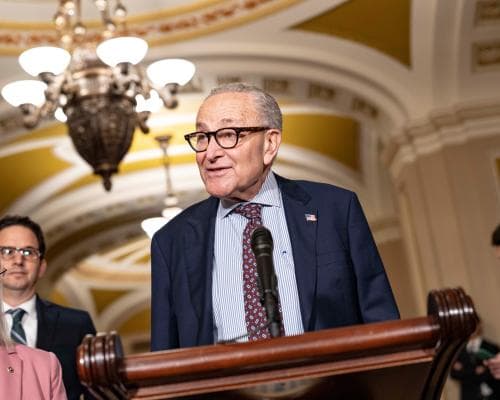
At 2 a.m., while most of America slept, the Senate delivered a verdict that will echo through boardrooms, family offices, and legal defense funds from Manhattan to Miami. Todd Blanche — the man who once defended Donald Trump against felony charges — is now the top law enforcement officer in the land. The 50–49 vote, with only Susan Collins and Lisa Murkowski breaking ranks, wasn't just a personnel decision. It was a signal. For the wealthy, for corporate chieftains, for anyone with a balance sheet that might attract federal scrutiny, the rules of engagement just changed.
Let's put the scale in perspective. This wasn't a routine confirmation. Blanche's ascent comes amid what Senate Minority Leader Chuck Schumer called 'pervasive, breathtaking corruption' — a charge that carries weight when you consider the backdrop. The Epstein files debacle alone should have been a disqualifier. Congress mandated full disclosure by December 19, with redactions only in the most extreme cases. Instead, the DOJ dribbled out documents late, redacted names that should have been public, and — in a move that horrified privacy advocates — exposed survivors' identities. Critics say it was a masterclass in weaponized transparency. For the wealthy, it's a warning: the machinery of justice can be tuned to protect some and punish others.
But the real story for capital markets isn't just Blanche. It's the 70-plus nominees rammed through in a single overnight session — ambassadors, judges, US attorneys. That's not a confirmation spree; it's a judicial realignment. Federal prosecutors set the tone for white-collar enforcement, from SEC referrals to FCPA investigations. Every US attorney confirmed in that 4 a.m. vote is a potential gatekeeper for billionaires facing scrutiny. And with the Senate now on a five-week recess, Trump's push for the Save America Act — a voting-restriction bill that could reshape the electorate — remains in limbo. GOP senators punted, saying it'll ride in a budget package. That's a tell: even loyalists are picking their battles, and the wealthy should read that as political risk, not certainty.
Now, the Blanche factor specifically. He's a former federal prosecutor turned defense attorney — the rare hybrid who knows both sides of the table. His clients have included Trump, but also figures like Paul Manafort. That background cuts both ways. For billionaires under investigation, a defense-friendly AG could mean more discretion, more deferred prosecutions, more quiet settlements. But it also means the DOJ's priorities will align with the White House's political needs. If you're a tech founder with antitrust exposure or a hedge fund manager with offshore structures, the calculus just got more complex. The Epstein file mishandling suggests a willingness to play fast with legal norms — a risk factor that smart capital should price in.
What does this mean for markets? Stability, but not the good kind. The confirmation vote was 50–49, meaning every Democratic senator opposed Blanche, and only two Republicans defected. That's a deeply polarized legal landscape. For the wealthy, that translates into legal arbitrage: jurisdictions, regulatory regimes, and even individual prosecutors now matter more than ever. We're seeing a shift toward 'legal havens' — states and courts where enforcement is predictable. Delaware, for instance, remains a fortress for corporate law, but federal criminal enforcement is now a wildcard. The smart money is already reallocating legal budgets toward compliance and pre-emptive defense, not just litigation.
Looking ahead, the next five weeks are critical. The Senate recess means no new confirmations, but it also means no oversight hearings. That's a window for the DOJ to make moves without immediate congressional pushback. For the ultra-wealthy, this is the time to review exposure — not just to federal probes, but to the political winds that steer them. Blanche's first major test will be the Epstein files' full release, which could still trigger a legal firestorm. If he mishandles that, the backlash could galvanize opposition and create uncertainty for markets. If he navigates it, he'll solidify a precedent: the DOJ can selectively apply transparency — and that's a power every billionaire should respect.
Here's the bottom line for wealth builders. This isn't about politics; it's about risk pricing. The Blanche confirmation is a structural shift in how federal power will be deployed over the next two years. For those with assets, reputations, or legal matters at stake, the message is clear: the rules of the game are being rewritten in real time, and the only winning move is to adapt faster than the regulators. Stay liquid, stay compliant, and stay alert. The 2 a.m. vote was just the opening bid.