The Billionaire Bidding War: San Francisco’s AI Elite Pay $1 Million Over Asking for the City’s Finest Homes
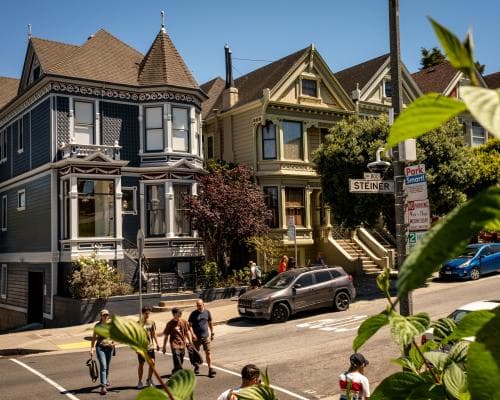
Picture this: a Pacific Heights Victorian with bay windows catching the golden hour light. A bidding war erupts. The final offer? One million dollars above the already stratospheric asking price. This isn’t an anomaly. It’s the new normal in San Francisco, where the AI boom has turned the city’s luxury housing market into a high-stakes game of Monopoly with real billions.
According to fresh data from real estate brokerage Compass, more than 140 homes in the city sold for at least $1 million over asking in the first six months of 2026. Forty-four of those deals closed in June alone. To put that in perspective: in all of 2024, only six homes crossed that threshold. “Absolutely bananas,” says Mike Simonsen, Compass’s chief economist, with the kind of understated awe that only a housing statistician can muster. The culprit? A perfect storm of AI-driven migration, aggressive hiring, and the looming mega-IPOs of OpenAI and Anthropic, both headquartered here and valued at nearly $1 trillion.
This isn’t just a market—it’s a status signal. For the newly minted AI millionaires and billionaires, a home in San Francisco is a declaration of belonging. It says: I am at the center of the most consequential technological shift since the internet. The single-family median home price has jumped from $1.7 million to $2.2 million year over year, while inventory has plummeted 45%. Homes are snatched up in an average of 18 days—the fastest pace in five years. For the ultra-wealthy, time is money, and waiting is not an option.
What does this mean for the luxury traveler or the investor seeking a pied-à-terre? It means that the old rules of negotiation are obsolete. Sellers list low to spark frenzies, knowing the AI elite will bid with abandon. The city’s most coveted neighborhoods—Pacific Heights, Nob Hill, Presidio Heights—are now battlegrounds where a view of the Golden Gate Bridge can cost an extra million. The shift is stark: just a few years ago, headlines screamed about San Francisco’s exodus, crime, and homelessness. Now, the narrative has flipped. The city is back, and it’s wearing a cashmere hoodie.
For the discerning few, this signals a deeper truth about luxury travel and lifestyle. The wealthy no longer just want a vacation home in Tuscany or a chalet in Aspen. They want a base in the city that is rewriting the future. San Francisco has become a destination not for its fog or its sourdough, but for its proximity to power. The AI boom is minting a new class of multimillionaires—and they are buying their way into the narrative.
Where do the wealthy go next? They go to the hills. Literally. The most coveted properties are those perched on San Francisco’s iconic slopes, offering both privacy and panorama. But the ripple effect is already spreading. As prices in the city become prohibitive even for the merely wealthy, the ultra-rich are eyeing neighboring enclaves: Marin County’s rolling estates, the wine country of Napa and Sonoma, and even the tech-adjacent luxury of Silicon Valley’s Los Altos Hills. The message is clear: if you want to be where the future is being built, you pay the price. And for the AI elite, that price is just another line item on a balance sheet that keeps growing.