The New Counterfeit: When Even Your Parking App Becomes a Luxury Target
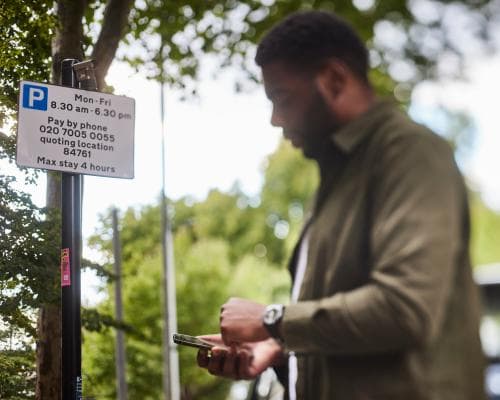
You’re mid-conversation, the car is idling outside a members’ club in Mayfair, and your phone hums with a message that feels almost… expected. “A routine review of open parking charges has identified an amount that is still due,” it says. The tone is polite, bureaucratic, faintly threatening. You’ve used RingGo a dozen times this month alone—between the Cotswolds, the airport, and that gallery opening in Bermondsey. So you don’t blink. You tap the link. And that, as they say, is that.
This is the new face of fraud, and it is exquisitely tailored to the rhythms of the wealthy. The scam isn’t crude; it’s a masterclass in psychological design. It exploits the one crack in the armor of the ultra-organized: the quiet chaos of having too many apps, too many charges, too many little administrative threads to track. For the person who never looks at a bill twice, the idea that you might owe £12 for parking is not just plausible—it’s almost soothing. It fits the pattern. It’s a small, resolvable problem in a life of larger ones. And that’s exactly what the criminals are counting on.
Graham Conway, managing director of Select Car Leasing, has been tracking these messages for weeks. He notes that the counterfeit site is “a close copy” of the real RingGo page, down to the logo, the color palette, and the reassuringly bland typography. But the real genius—or horror—is the AI. Scammers now use machine learning to scrape and replicate entire interfaces in minutes. They don’t need to hack your Tesla or your penthouse; they just need you to type your password into a page that looks like the one you use to park your Range Rover. The link is the key, Conway warns. Once you enter your username, password, or card details, it goes directly to criminal gangs who can drain accounts or sell your personal information on the dark web. The irony is almost too rich: the same technology that powers your smart home and your driverless valet is now powering a counterfeit that looks more authentic than the real thing.
For the collector who obsesses over the provenance of a 1963 Ferrari, this is a sobering reminder that authenticity now has a digital dimension. We vet our wines, our watches, our architects—but we rarely vet a text message. The phishing attempt is a cheap, mass-produced forgery, yet it succeeds because it mimics the one luxury we all crave: frictionless living. The wealthy don’t want to think about parking. They want to think about the drive. And so the scam slips through the gap between attention and convenience.
The market for this kind of fraud is booming. Cybersecurity firms report a 40% increase in AI-assisted phishing attacks in the past year alone. The targets are not random; they are selected for their likelihood to pay without question. A person who routinely parks at the Royal Opera House or the Dorchester is a better bet than someone who parks at a retail park in Slough. The criminals are not just tech-savvy; they are demographic-savvy. They know that the affluent are more likely to have multiple parking apps, more likely to be distracted, and more likely to settle a small charge to avoid a larger administrative headache. It’s the same psychology that makes people pay for expedited passport processing or skip the line at the airport.
What does this signal about luxury taste? It signals that the ultimate status marker is no longer the car itself, but the ability to move through the world without friction—and the discernment to recognize when that friction is being manufactured. The truly sophisticated now treat every unsolicited message with the same skepticism they would apply to a dealer offering a “rare” Patek at half price. That’s the new luxury skill: not collecting, but filtering.
Looking forward, expect the counterfeiters to get even better. AI will soon produce phishing messages that mimic your personal writing style, your bank’s exact phrasing, even your own GPS location. The only defense is a kind of radical vigilance, a willingness to question the very fabric of your digital reality. For the readers of The Curated Life, the lesson is clear: the most valuable thing you own is your attention. Guard it like a first edition. And if you get a text about parking fees, call the number on the back of your card—not the one in the message.