China's quant shops outrun foreign giants by knowing the mainland's quirks

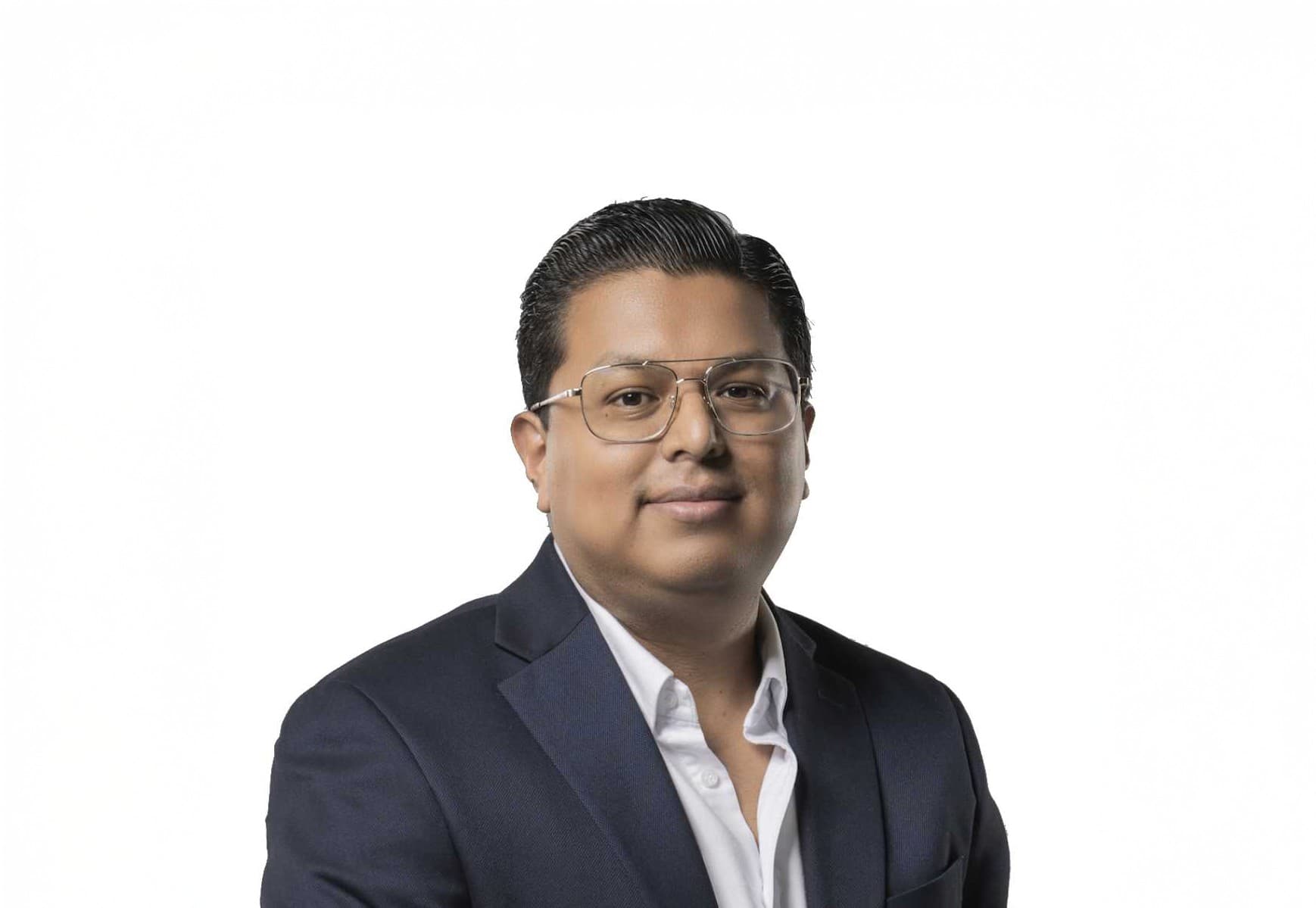
For anyone tracking where Asia’s smartest money is made, the quiet war inside China’s equity trading floors is more revealing than any flashy IPO. The conventional wisdom has long been that Western quant houses, with their PhD armies and decades of data, can land anywhere and dominate. But that assumption cracks on the mainland, according to Xia Chun, founder and chief economist at Wiselink Group and a former finance professor at the University of Hong Kong. His blunt assessment: a top US quant team could go to Japan or India and crush the locals, but in China, they would be the ones playing catch-up.
Xia’s point is not about raw computing power or fancier algorithms. It is about the peculiar texture of China’s market—its retail-heavy trading flows, policy-driven sentiment swings, and the subtle mechanics of how orders actually fill in a system that is both hyper-liquid and heavily guided. Foreign quant funds often import models built on assumptions that simply do not hold in Shanghai or Shenzhen. Chinese quant managers, by contrast, have spent years reverse-engineering the local microstructure: the way margin calls cascade after a regulatory tweet, how northbound capital moves with geopolitical headlines, and which seemingly irrational patterns repeat because the same domestic institutions keep dancing to the same rhythm.
This edge matters more now because Beijing has deliberately turned down the speed dial. Regulators have been tightening rules on high-frequency trading, curbing the ultra-fast execution that once gave quant funds their biggest advantage. On the surface, that looks like a blow to the entire industry. But Xia’s argument flips the narrative: slower markets reward deeper local knowledge, not faster servers. When everyone is forced to trade at the same pedestrian pace, the winner is the one who understands what the crowd will do next—not the one who gets there a millisecond earlier. That is precisely where Chinese quants, many of them founded by ex-brokerage traders and local academics, have built an almost unassailable moat.
For an international reader, the context is essential. Wiselink is not a household name abroad, but in Chinese financial circles it is known for rigorous, sometimes contrarian research. Xia himself straddles two worlds—he taught finance in Hong Kong and now advises on mainland market structure. His words carry weight because he is not selling a product; he is describing a structural reality. And that reality is uncomfortable for global asset managers who have poured billions into China strategies, only to find their models underperform against smaller, nimbler domestic shops that seem to have an almost anthropological understanding of the market’s moods.
The broader signal for Asia’s capital flows is clear: the era of simply exporting Western quant playbooks to emerging markets is over. In Japan or India, foreign quants can still leverage informational gaps and standardized derivatives to win. But China’s market is too idiosyncratic, too policy-sensitive, and now too regulated for that approach. The clampdown on trading speed is not just a local rule change; it is a declaration that China wants its markets to reward fundamental and structural insight over technological arbitrage. That shift will force global funds to either hire local talent deeply embedded in mainland networks or accept a permanent second-tier status in the world’s second-largest equity market.
Looking ahead, the most interesting battle will not be between Chinese and foreign quants, but among Chinese quants themselves. As speed becomes less relevant, the differentiators will be data access, political reading, and the ability to model sentiment from sources like social media and policy white papers. The firms that thrive will look less like hedge funds and more like intelligence agencies. For wealth watchers across Asia, the lesson is simpler: in China, the house always knows the floor plan better than the visitors, and the regulators have just locked the doors to make sure it stays that way.