The £29 Billion Question: Why the World’s Sharpest Capital Is Watching Britain’s Bank Battle
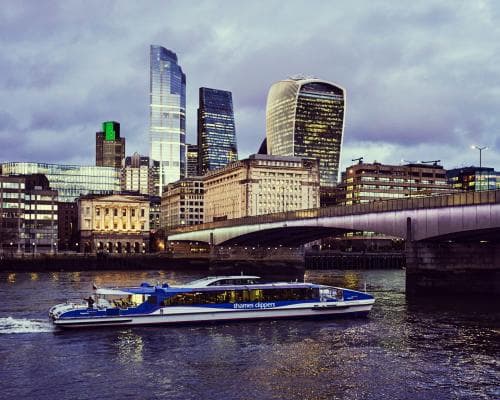
On paper, it was just another Tuesday in the Square Mile. But beneath the polished marble of London’s grandest banking halls, a quiet tremor was building—one that could redraw the lines between sovereign ambition and private fortune. The numbers are staggering: in just six months, the UK’s four largest lenders—HSBC, NatWest, Barclays, and Lloyds—have amassed £29.2 billion in profits. That’s nearly half a billion pounds a day, every day, since January. And with almost £14 billion of that already pledged to shareholders through dividends and buybacks, the message to the world’s wealthy is unmistakable: British banking is not just alive—it is thriving.
But where there is excess, there is envy. And in the corridors of Westminster, a new prime minister, Andy Burnham, is facing a choice that will define his premiership. Campaigners, emboldened by the bumper figures, are demanding a windfall tax on bank profits—a levy they claim could raise £19 billion from the big four alone. That money, they argue, could fund his ambitious plans to slash living costs and overhaul social care. The TUC’s general secretary, Paul Nowak, put it bluntly: “Banks can easily afford to pay more tax.” Positive Money, a campaign group, goes further, calling on Burnham to “reclaim these lost billions” and resist the “demands of City lobbyists.” The rhetoric is sharp, the stakes higher.
For the ultra-wealthy, this is not a dry policy debate. It is a litmus test for how governments treat capital when the state’s coffers run thin. The last time Britain tried this—after the 2008 meltdown—the banks were hit with a series of levies that took nearly two decades to unwind. Executives are already circling the wagons. Jamie Dimon, the blunt-spoken chief executive of JPMorgan, warned that his bank has paid “probably $10 billion in extra taxes” already, and that further impositions could force a rethink on investments like its £3 billion Canary Wharf headquarters. “If that happens too much, we will reconsider,” he said. NatWest’s Paul Thwaite, reporting a 29% profit surge, was more diplomatic but equally firm: “If you want strong economies, you want strong banks. It’s really important to have consistency and stability of policies.”
The craftsmanship angle here is not in the stitching of a bespoke suit, but in the architecture of a financial system that has weathered wars, pandemics, and political upheaval. These profits are not a lottery win; they are the yield on decades of accumulated trust, regulatory sophistication, and global reach. HSBC alone moves more money across borders than most nations’ GDP. Barclays’ lending muscle is the quiet engine behind everything from Mayfair property deals to Manchester’s tech startups. A windfall tax, however well-intentioned, risks dulling that edge—and the market knows it. Already, the mere suggestion has sent ripples through boardrooms, with executives warning that lending could be throttled just when the economy needs it most. The irony is rich: the very profits that fund Burnham’s social agenda are the product of the stability he now threatens.
For those who collect assets the way others collect art, this is a moment to watch closely. The signal from London is mixed: on one hand, the banks are minting money, and the UK remains a premier destination for global capital. On the other, a populist windfall tax would be a clear warning that the state’s appetite for private wealth is growing. History suggests that such taxes, once imposed, rarely disappear quietly. They become part of the furniture, a permanent line item on the balance sheet of doing business in Britain. The smart money is already hedging—not by pulling out, but by recalibrating. Private banks are advising clients to structure holdings with more flexibility, to keep options open across jurisdictions, and to watch the October budget with the intensity of a hawk.
What happens next will be a masterclass in the art of the possible. Burnham has so far stayed silent on the tax, but his June promise to give Britain “breathing space” on living costs suggests he is listening to the campaigners. Yet he also knows that strangling the golden goose could choke the very growth he needs. The City is steeled for battle, armed with decades of experience in fighting levies. The outcome, as ever, will be a compromise—a dance between public need and private interest. For the world’s wealthy, the lesson is simple: in the game of global capital, the rules can change overnight. But those who understand the rhythm of power—who know when to hold, when to fold, and when to move money to friendlier shores—will always find a way to win. The £29 billion question is not just about banks. It’s about the future of wealth itself.
The Experience
For a front-row seat to how global capital is repositioning, consider a private briefing with a senior wealth strategist at a leading London private bank—where the conversation will be less about numbers, and more about what they mean for your portfolio.