The New Geography of Fortune: How the Strait of Hormuz Is Redrawing the Map of Wealth
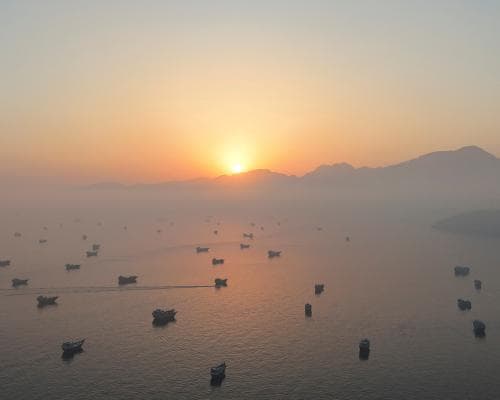
There is a moment in every great fortune when chaos becomes a currency. Right now, that moment is unfolding in the Strait of Hormuz, where a geopolitical storm is not just shaking oil prices but quietly redrawing the contours of global wealth. For the ultra-wealthy, this is not merely a headline to skim over morning coffee—it is a live map of where fortunes are being made and unmade. And as EY warns that a prolonged closure of this narrow waterway could tip the UK into recession, the message is clear: in the world of serious money, volatility is not the enemy. It is the raw material.
The numbers tell a story that would make any private banker lean forward. Clarkson’s, the shipping titan, just posted its best half-year performance in history—pre-tax profits surging 56% to £61.5 million. The cause? Not efficiency, not innovation, but the elegant, brutal logic of scarcity. When the Strait of Hormuz becomes a war zone, tanker and gas carrier rates skyrocket, and those who own the vessels—or the intelligence to charter them—reap the rewards. Shares in Clarkson’s are up 24% this year, a quiet testament to the fact that while many see a crisis, a certain class of investor sees a spread. Meanwhile, easyJet is playing a different game entirely, extending the deadline for suitor Castlelake to make a firm offer, now matching Apollo’s August 7th deadline. The budget airline is fielding a £5.7bn Apollo bid that trumped Castlelake’s earlier £5.5bn offer, but the real drama is in the diligence rooms, where Apollo and Castlelake are poring over books that show a 70% profit slide thanks to fuel costs and the chilling effect of regional conflict. For the ultra-wealthy, this is the art of the deal in a world where the balance sheet is a battleground.
But look closer, and you see the craftsmanship of capital—the way the truly wealthy do not simply buy assets, they buy optionality. The EU’s looming review of airline ownership rules adds a layer of complexity that would terrify the amateur, but for the seasoned collector of companies, it is simply another variable to price. And while easyJet’s suitors wrestle with regulatory fog, Clarkson’s CEO Andi Case offers a masterclass in understated confidence: “We expect the full year performance of the group to be materially ahead of market expectations.” That is not a boast; it is a statement of fact from a man who understands that in times of disruption, the middleman who controls the route controls the premium. This is the heritage of shipping—a business that has always thrived on the thin line between danger and opportunity, and Clarkson’s, with its 170-year pedigree, knows exactly how to walk it.
For the luxury market, this is a signal that taste is shifting from the tangible to the logistical. The ultra-wealthy are no longer just buying yachts and private islands; they are buying access—to shipping lanes, to fuel, to the very arteries of global commerce. The EY warning that a closed Strait of Hormuz could push inflation above 4% next year is not a threat to the billionaire’s portfolio; it is a reminder that the new luxury is resilience. The Bank of England’s decision to hold interest rates is a nod to this reality, and Chancellor John Healey’s talk of watching for price gouging at the pump is the kind of political theater that the truly wealthy watch with a knowing smile. They are not worried about the cost of petrol; they are worried about the cost of being left out of the next great arbitrage.
So what does the future hold? For the ultra-wealthy, the answer lies not in predicting the next quarter but in positioning for the next decade. The Strait of Hormuz crisis is a preview of a world where geopolitical friction is not an anomaly but a constant—and where the winners are those who can turn that friction into a fee. For the rest of us, the lesson is simpler: watch the shipping rates, watch the takeover deadlines, and understand that in the grand casino of global capital, the house always wins—but the smartest players are the ones who know when to buy the casino itself. As the deadline for easyJet looms and Clarkson’s sails to record profits, one thing is certain: the geography of fortune has changed, and the map is being redrawn in real time. For those with the vision to see it, the only question is not whether to act, but how quickly.
The Experience
For a front-row seat to the intersection of geopolitics and capital, consider a private briefing with a maritime trade analyst or a charter on a vessel navigating the new trade routes—access is the ultimate luxury.