When the Garden of England Runs Dry: The New Calculus of Culinary Power
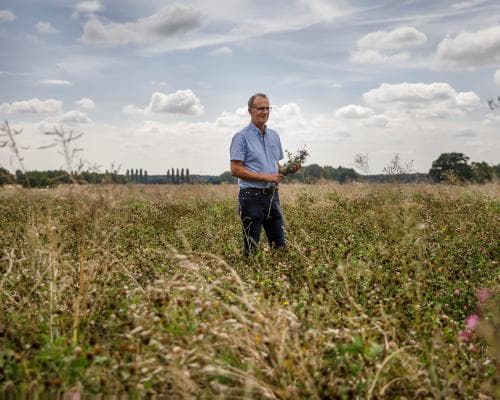
There is a moment, in the middle of a perfect summer, when the best restaurants in London quietly rewrite their menus. The asparagus comes from Kent, the peas from Lincolnshire, the tomatoes from the glasshouses of the Lea Valley. It is a ritual of seasonality, a quiet promise that the plate in front of you is a snapshot of the British countryside at its most generous. That promise has broken. This year, the fields are not generous. They are thirsty. And the menus of the world's most discerning tables are being redrawn by a force no chef can plate: drought.
The numbers are stark, even for those who never glance at a wholesale invoice. The price of iceberg lettuce has climbed nearly 90 percent. Tomatoes are up over 60 percent. Potatoes, the humble backbone of every gastro-pub, have risen more than 40 percent. These are not abstract market fluctuations. They are the result of a brutal, unrelenting heat that has turned the UK's growing season into a survival test. Farmers with reservoirs and irrigation systems—the very ones who invested in resilience—say their water is running low. In Cornwall, David Simmons of Riviera Produce reports that broccoli yields have halved. He is literally tying two heads together to make the weight a pack promises. The UK is so short that wholesalers are doing something almost unheard of in midsummer: they are going back to Spain.
For the ultra-wealthy, this is not merely a supply chain story. It is a lesson in the new geography of taste. The provenance that once guaranteed superiority—the Cornish brassica, the Lincolnshire pea—is now a fragile luxury, vulnerable to a climate that refuses to follow the old rules. Stephen Francis of Fen Peas, a cooperative of 60 growers, says the English pea harvest is down a third. Scotland may fare better, but the overall picture is one of scarcity. Growers are now eyeing varieties bred for southern Europe, crops that can withstand temperatures that would have wilted their predecessors. It is an admission that the terroir of Britain is shifting, and with it, the very definition of what is 'local' and 'premium'.
This is where craftsmanship meets desperation. The chefs and restaurateurs who built their reputations on the heroics of British produce are now facing a choice: adapt or import. The best among them are doing both. They are building relationships with Spanish growers who have mastered heat-stressed farming, learning to appreciate the slightly smaller, more intensely flavored tomatoes that emerge from these conditions. They are paying a premium for the last of the English peas, understanding that their scarcity makes them more precious, not less. The wholesale market may be chaotic, but for those with the resources and the relationships, there is an opportunity to curate a new kind of seasonal menu—one that acknowledges the reality of a warming world without sacrificing an ounce of elegance.
What does this signal about wealth and taste? It signals that the ultimate luxury is no longer just the rarest truffle or the oldest vintage. It is the ability to source with intelligence, to navigate disruptions with grace, and to tell a story that is both honest and exquisite. The bosses of Tesco, Sainsbury's, Waitrose, and Aldi have written to the government, warning that wildfires and extreme weather threaten Britain's food security. More than 100 organizations are calling for the food system to become a national priority. For the private chef or the five-star hotel, this is not a distant policy debate. It is a daily operational reality. The question is no longer 'What is in season?' but 'What can be secured?'—and at what price.
Looking ahead, the future of fine dining will be defined by adaptability. The earliest UK cereal harvest in 20 years is a curiosity now, but it may become the norm. Growers will need to invest in water storage, in new varieties, in infrastructure that can weather the whims of a changing climate. The luxury market will follow, rewarding those who can pivot without compromising on quality. For the connoisseur, this means embracing a new kind of provenance—one that is not tied to a postcode but to a philosophy of resilience. The plate will still be beautiful, but it will tell a different story. It will speak of survival, of innovation, and of a quiet, determined pursuit of excellence in the face of an unpredictable world. And that, perhaps, is the most luxurious thing of all.
The Experience
For a private tasting that captures the season's most resilient and rare produce, commission a personal chef who sources directly from drought-adaptive farms in Spain and the UK's remaining oases.