The Last Barrel: BP's North Sea Exit and the New Calculus of Energy Wealth
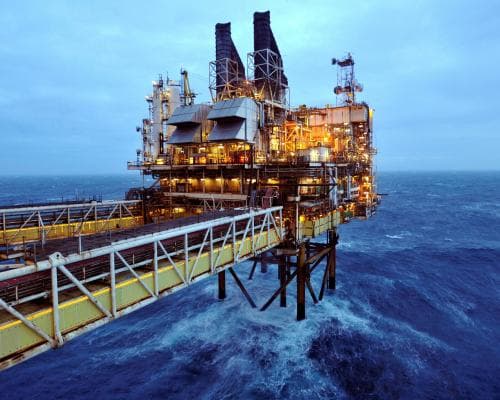
There’s a particular kind of silence that falls over a room when the family patriarch finally decides to sell the old estate. The paintings stay, the land remains, but the story changes forever. That’s the feeling rippling through the energy world this morning as BP—the company that practically wrote the book on North Sea extraction—has formally put its entire UK offshore oil and gas business on the market. After six decades of pulling black gold from beneath those grey, unforgiving waters, the giant is walking away. Not because the well is dry, but because the math has changed. And for anyone who’s ever watched a fortune get made or unmade by a single strategic pivot, this is the kind of move that deserves more than a passing glance.
The numbers are staggering, even for a portfolio that has seen it all. Since BP first won its exploration licence in 1964, the UK continental shelf has yielded 47.7 billion barrels of oil equivalent. That’s enough to fill every supertanker on the planet and still have some left for the next decade. BP’s own crown jewels—the West Sole gasfield, discovered in the brutal winter of ’65, and the colossal Forties field, which came in 1970—became the bedrock of British energy independence. But now, with new CEO Meg O’Neill at the helm, the company is doing what all great dynasties eventually do: pruning the family tree to protect the core. The North Sea, once the crown jewel, is now a legacy asset. And legacy assets, as any wealth manager will tell you, are only worth holding if they appreciate in value or provide strategic cover. BP has decided it does neither.
What’s left in the basin is a story of diminishing returns wrapped in geopolitical complexity. The North Sea Transition Authority estimates just 2.9 billion barrels of oil equivalent in proven reserves remain—a fraction of what’s already been extracted. There’s another 6.2 billion barrels of contingent resources, but those are speculative, expensive to develop, and tangled in a regulatory web that shifts with every election. This is the real reason BP is heading for the exit. It’s not about climate activism or woke capitalism; it’s about capital allocation. When you can put the same billions into deepwater Guyana or the Permian Basin and get double the return, the North Sea becomes a museum piece. And museums, however beautiful, don’t pay dividends.
For the ultra-wealthy, this sale is a masterclass in the art of the strategic exit. BP is not abandoning the UK; it’s simply refusing to be the last one holding the bag when the music stops. The new Labour government has promised a “pragmatic” approach, but pragmatism in Whitehall is like a mirage in the desert—always visible, never quite reachable. Energy Secretary Miatta Fahnbulleh says she’s in close contact with BP, but her reassurances about protecting workers and communities sound more like eulogies than strategies. The market understands this. As IG’s chief market analyst Chris Beauchamp put it, this is a watershed moment. When the biggest player in the basin says, “I’d rather be somewhere else,” that’s not a negotiating tactic. That’s a verdict.
What does this mean for the buyers who do step forward? For private equity firms and sovereign wealth funds with a taste for contrarian plays, the North Sea offers something increasingly rare in this world: a tangible, physical asset with decades of infrastructure already in place. The platforms, the pipelines, the subsea networks—these are not easily replicated. And with oil prices likely to remain elevated as global demand stays stubbornly high, there’s money to be made in squeezing the last drops out of a mature basin. But this is not for the faint of heart. It’s a game of cost control, regulatory navigation, and ruthless efficiency. The new owners will need to be lean, mean, and utterly unbothered by the glare of public scrutiny. They’ll also need to be patient. The days of gushers and glory are over; what remains is a grind, but a profitable one for those who can stomach it.
Looking ahead, this sale signals a broader shift in how the world’s most sophisticated capital views energy. The era of “big oil” as a monolithic, permanent presence is fading. In its place, we’re seeing a more fluid, opportunistic landscape where assets change hands like rare art—appreciated for what they are, not what they once promised. For the ultra-wealthy, the lesson is clear: true wealth is not about holding on forever. It’s about knowing when to let go, and having the courage to do so before the market forces your hand. BP’s North Sea exit is not an ending. It’s a beginning—for the buyers who see value where others see decline, and for the rest of us, a reminder that even giants must learn to dance to a new tune.
The Experience
For those with a taste for legacy energy assets, private placements in mature basins like the North Sea offer a rare blend of yield and scarcity. Consult a specialist energy investment advisor to explore off-market opportunities in decommissioning and late-life asset management.