The Rolled Pavlova: Summer’s Most Exquisite Status Signal
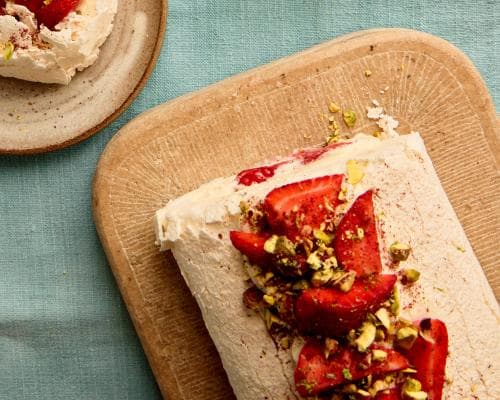
There is a moment every summer when the perfect strawberry lands on your plate. It is not about price. It is about provenance. For the ultra-wealthy, the season’s first British strawberry is a ritual—a fleeting, fragrant marker of time and place. But to turn that berry into a statement? That requires something more than a punnet. It requires a rolled pavlova.
Helen Goh’s recipe for rolled pavlova with strawberries and sumac is not a dessert. It is a performance. A crisp, marshmallow-soft meringue rolled around clouds of cream and macerated berries, finished with a whisper of sumac and a curl of lime zest. This is not the kind of thing you buy. It is the kind of thing you have made. And the kind of thing that, when served at a lunch in the Cotswolds or a terrace dinner in Bel Air, announces that the host understands something about restraint, texture, and the power of a single unexpected note.
The numbers matter, but not in the way you think. Two hundred and fifty grams of egg whites. Three hundred and seventy grams of caster sugar. A precise 25 x 38 centimetre tray. Seventeen minutes of whisking until the meringue holds stiff peaks. These are not just measurements. They are the difference between a dessert that impresses and one that embarrasses. The cream of tartar stabilises the egg whites. The cornflour softens the interior. The technique—baking at 200°C, then immediately dropping to 180°C—creates that signature shell: crisp on the outside, soft within, like a secret only the kitchen knows.
And then there is the sumac. That tiny, tart flourish is the real mark of taste. It amplifies the berry flavour without shouting. It balances the sweetness of the meringue with a gentle acidity that feels like intelligence on the palate. A pinch of lime zest lifts the whole thing into something bright, fragrant, and unmistakably of summer. This is not a recipe for mass-market appeal. This is a recipe for people who understand that luxury is often about subtraction, not addition.
What does this signal about wealth in 2025? That the most coveted status symbols are no longer logos or limited editions. They are experiences that require time, skill, and an eye for nuance. A rolled pavlova is not something you can Uber Eats. It demands planning: the eggs at room temperature, the sugar added one tablespoon at a time, the careful inversion onto a tea towel. It demands patience: twenty-five minutes in the oven, then cooling completely before assembly. And it demands confidence: the moment you roll that meringue, you commit. There is no second chance.
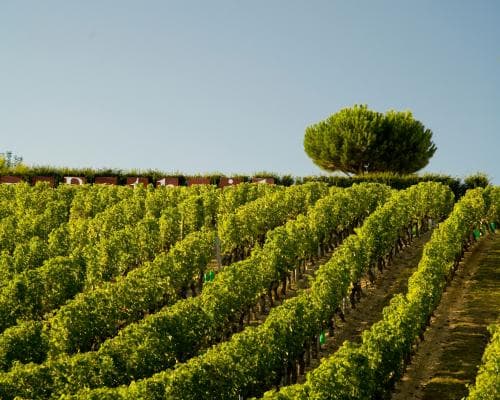
This is the kind of dessert served at the table of someone who owns a vineyard in Provence, who flies their strawberries in from a farm in Kent, who knows the name of the pastry chef at Le Cordon Bleu but chooses to make it themselves. It is a quiet flex. It says: I have the time. I have the taste. And I have the sumac.
Looking forward, the luxury dessert market is shifting. The future belongs to dishes that tell a story, that require craft, that cannot be replicated by a machine. The rolled pavlova is that dish. It is the edible equivalent of a bespoke suit or a hand-stitched leather bag—imperfect in the most perfect way. As the summer season peaks, the question is not whether you can afford the ingredients. The question is whether you can afford the attention to detail. Because in a world of instant gratification, the most exclusive thing you can offer is something that took an hour and ten minutes to make, and a lifetime to learn.
The Experience
Book a private patisserie masterclass with a Michelin-starred pastry chef in your own home, where you will learn to roll, fill, and finish a pavlova that rivals any three-star kitchen.