Oil Jumps 4%, Gold Slides as Strait of Hormuz Standoff Rattles Global Markets
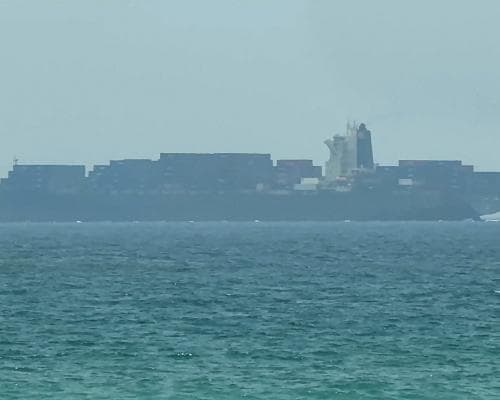
A grim Monday dawned for global markets as the US and Iran traded blows in the Gulf, and the financial world suddenly remembered what geopolitical risk really feels like. Tehran said it had closed the Strait of Hormuz — the world's most critical oil chokepoint — while President Trump insisted the passage remained open and claimed 20 US-escorted ships had passed through in the past 24 hours. For investors, the contradiction itself was the problem. When facts become contested in real time, capital gets nervous.
Brent crude shot up 4.2% to $79.18 a barrel in early London trading, a sharp move that snapped weeks of relative calm in energy markets. Spot gold, the traditional haven, slid 1.5% to $4,060 an ounce — a counterintuitive drop that suggests traders were selling bullion to cover margin calls or raise cash for other positions. The broader picture was ugly: Japan's Nikkei lost 2.1%, Hong Kong's Hang Seng slipped 0.1%, China's CSI 300 slid 1.78%, and South Korea's Kospi plummeted nearly 10%. That last number is staggering — just six weeks ago, the Kospi was hitting record highs on the back of the AI boom, with chipmaker SK Hynix riding high after its successful Nasdaq debut. Now, SK Hynix shares plunged more than 15% in Seoul, a brutal profit-taking moment that erased weeks of gains.
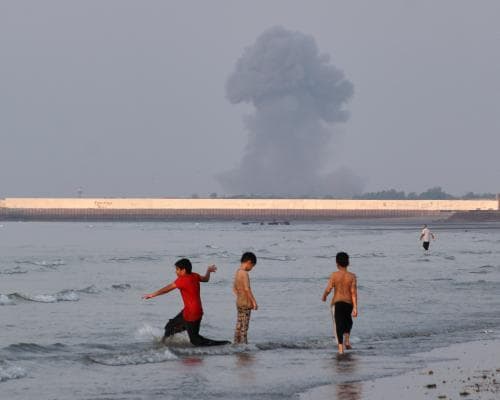
The mechanics behind the move are straightforward but worth unpacking. The Strait of Hormuz handles about 20% of the world's oil supply — roughly 17 million barrels per day. Any credible threat to that flow instantly reprices crude. The US military launched a new wave of strikes against Iran, while Iran retaliated with missile and drone attacks on US bases in neighboring countries. Tehran declared that the latest US strikes had “rendered futile” months of diplomatic efforts. Trump, as he did last Wednesday, said the ceasefire was over. Qatari and Pakistani mediators are scrambling to salvage talks, but for now, the market is pricing in a protracted standoff.
For wealth builders, the rarity here is the speed and severity of the risk-off rotation. A 10% single-day drop in a major Asian index like the Kospi is not something you see in normal times. It signals that investor confidence, already fragile after the AI-fueled rally, can evaporate in hours when geopolitical tail risks materialize. The gold slide is especially telling: when even the ultimate safe haven gets sold, it usually means forced liquidation or a hunt for dollar liquidity. Jefferies analyst Mohit Kumar captured the mood: "For now, we remain hopeful that both parties would return to the negotiating table and traffic would start to flow through the strait. We are not looking for oil prices to go back to the March highs." That hope, however, is not yet backed by facts on the ground.
What does this signal for markets and the wealthy? First, energy costs are heading higher in the short term, which will squeeze margins for airlines, shipping, and any industry reliant on transport fuel. Second, the AI trade — which had been a one-way bet in Seoul and elsewhere — just showed it can get caught in the crossfire of geopolitics. Diversification is not a cliché; it's a survival mechanism. Third, the dollar is likely to strengthen as global investors seek safety, which puts pressure on emerging market currencies and debt. For those with capital to deploy, the coming weeks will test discipline: panic selling rarely rewards, but buying the dip requires clarity on whether the Strait stays open or becomes a prolonged crisis.
Looking forward, the key variable is whether Qatari and Pakistani mediation can produce a temporary truce or a broader framework. If traffic resumes through the Strait, oil could quickly retrace to the mid-$70s, and risk assets might recover some lost ground. If not — if the standoff drags on or escalates — we could see Brent test $85 and gold rebound above $4,100 as fear resets portfolios. For now, the smartest capital is watching, waiting, and hedging. The lesson is ancient but evergreen: when the world's most vital waterway becomes a bargaining chip, every portfolio feels the ripple.