Lancashire's Forever-Chemical Factory Shuts Down — A $5 Trillion Liability Comes Home
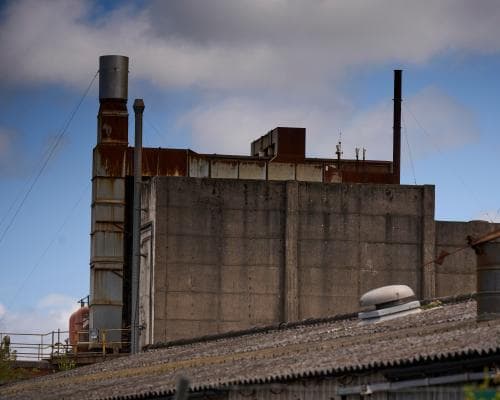
The factory that made the world non-stick is finally sticking itself shut. AGC Chemicals Europe, the Japanese-owned plant on Lancashire's windswept coast, has announced it will consult on closing its doors. The timing is no coincidence. Just days earlier, the Guardian revealed that more than 90 residents had signed up for a potential legal claim over the factory's historic emissions of Pfoa — a cancer-linked forever chemical that doesn't break down in the environment. This isn't just a factory closure. It's a canary in the coal mine for an entire industry.
Here's the scale of the mess. Between the 1950s and 2012, the plant emitted an estimated 49 tonnes of Pfoa into the air, soil, and water. Pfoa was banned globally in 2020, but the chemical doesn't vanish. It lingers. Residents have been told to wash and peel homegrown vegetables and avoid local eggs. Two allotment sites are now contaminated. The company says the site has lost money for four consecutive years. But the real cost is the liability — and that's about to explode.
The numbers behind this are staggering. AGC Chemicals Europe employs 190 people and 18 agency staff. The consultation will last at least 45 days. But the financial hit goes far beyond one plant. Global PFAS cleanup costs have been estimated at $5 trillion, according to a recent study in the journal Science. That's more than the GDP of Japan. And the legal wave is just beginning. In the US, 3M and DuPont have already settled for billions. In Europe, class actions are multiplying. This Lancashire closure is a microcosm of a macro problem.
For the wealthy, this is a capital allocation signal. PFAS — per- and polyfluoroalkyl substances — are used in everything from non-stick pans to waterproof jackets to firefighting foam. The industry has long treated these chemicals as a free good. Now the bill is coming due. Investors holding bonds or equity in chemical companies with legacy PFAS exposure should ask: have you priced in the cleanup? The answer, almost certainly, is no. The market is only starting to discount this risk. The Thornton-Cleveleys closure is a warning shot.
What makes this story fascinating from a wealth perspective is the asymmetry. The plant itself is a small operation. But the precedent it sets is huge. If a mid-sized factory in a quiet Lancashire town can be forced to close by a combination of environmental liability and community action, imagine what happens to the giants. The PFAS industry is facing what the tobacco industry faced in the 1990s — but faster, because the science is already clear. Kidney cancer. Thyroid disease. Immune system damage. The links are established.
So what does a smart capital allocator do? Watch the litigation pipeline. Track the regulatory shifts. The EU is pushing for a near-total PFAS ban. The US EPA has proposed strict limits. In the UK, the Environment Agency is already testing soil and produce. The data point to watch is the cost of remediation per tonne of PFAS emitted. Right now, it's opaque. But it's about to become very transparent. And when it does, the market will reprice a whole sector.
For now, the factory's 190 workers face an uncertain future. The company says no final decision has been made. But the writing is on the wall — and in the soil. This is how a $5 trillion liability story begins: not with a bang, but with a consultation notice in a seaside town. The smartest capital is already positioning for the aftermath.