BRICS mulls unified payment rails as Nigeria eyes a seat at the table
BRICS explores linking instant payment systems and digital currencies to cut cross-border costs. Nigeria, a partner state, watches closely.
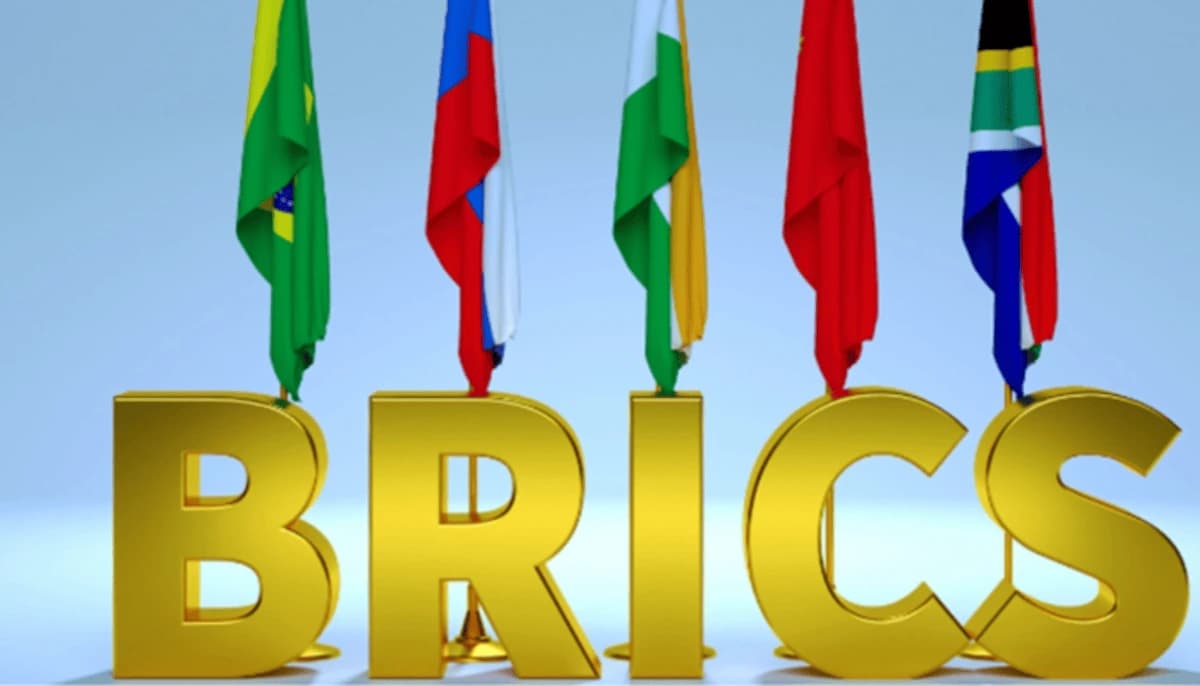
For anyone tracking the flow of capital across the Global South, the quietest meetings often matter most. This week, the Reserve Bank of India’s governor, Sanjay Malhotra, let slip that BRICS members are actively discussing how to wire their national instant payment systems and central bank digital currencies into a single, interoperable network. The goal is mundane but monumental: slash the cost of moving money across borders. For African financiers and policymakers, the news lands like a distant thunderclap — promising rain, but far from guaranteed.
The talks, as reported by Brazilian media and picked up by TV BRICS, are still in their formative stage. Malhotra stressed that the technical blueprint remains undisclosed, and both the integration model and timeline are open questions. What is clear is the shared pain point: cross-border transaction fees eat into trade and remittances for every member, and the bloc sees deeper financial connectivity as a remedy. BRICS now spans ten countries — Brazil, Russia, India, China, South Africa, Egypt, the UAE, Ethiopia, Indonesia, and Iran — each with its own currency, regulations, and payment architecture. Harmonising those systems is a bureaucratic Everest, but the potential payoff is a seamless payments corridor across economies that collectively anchor a huge slice of global output.
For Nigeria, the significance is both immediate and speculative. Abuja formally became a BRICS partner country in January 2025, after Brazil, then holding the bloc’s presidency, shepherded its admission. The foreign ministry in Brasília framed the move as a shared commitment to strengthening cooperation among Global South nations and reforming international institutions. Nigeria’s own foreign minister, Yusuf Tuggar, had already voiced support for a fairer, rules-based world order at the BRICS Foreign Ministers’ Meeting in Rio de Janeiro in April 2025. Now, with payment integration on the table, Nigeria’s partnership could evolve from diplomatic alignment to economic utility — if partner countries are ever folded into the system.
The local context matters here. Nigeria is Africa’s largest economy, but its financial infrastructure remains fragmented, with a heavy reliance on cash and informal transfers. The Central Bank of Nigeria has experimented with its own digital currency, the eNaira, though adoption has lagged. A BRICS-linked payment network could offer Nigerian businesses and diaspora senders a cheaper, faster route for transactions with India, China, or the UAE — corridors that currently run through correspondent banks in London or New York, with fees that eat into margins. Yet the technical and regulatory hurdles are immense: aligning KYC standards, data privacy laws, and currency settlement rules across a dozen jurisdictions is not a weekend project.
What this signals about wealth and capital in Africa is subtle but real. The continent has long been a price-taker in global finance, forced to pay a premium for access to dollar-based systems. BRICS’ push for alternative payment rails is an attempt to build a parallel highway — one where African nations like Nigeria could, for the first time, help set the tolls rather than just pay them. The fact that Ethiopia is already a full member and Nigeria a partner shows the bloc is courting African heft, not just as a market but as a stakeholder. If the integration succeeds, it could erode the dollar’s grip on intra-BRICS trade, a shift that would ripple into exchange rates, reserve holdings, and investment flows across the continent.
The road ahead is littered with political and technical landmines. India and China are not natural bedfellows in financial regulation, and Russia’s isolation from Western payment systems adds another layer of complexity. But the direction is clear: BRICS is no longer just a talking shop. The bloc is trying to build infrastructure that makes its members less dependent on the IMF, the World Bank, and the SWIFT network. For Nigeria, the question is whether it can leverage its partner status to get a seat at the design table, or whether it will be left waiting at the gate when the rails are finally laid. As Malhotra’s comments suggest, the conversation is just beginning — but for African capital, the stakes are already high.


