The Coolest Kind of Giving: How One Couple's Heat Pump Became a Lifeline in a Warming World
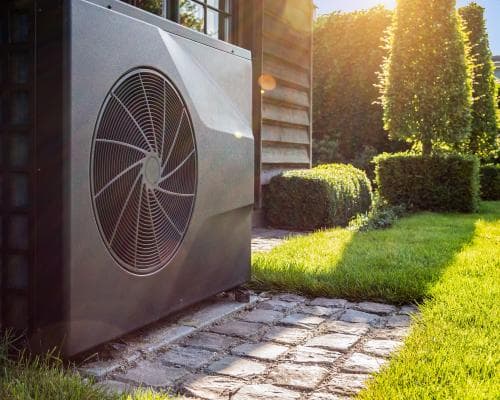
It was 35 degrees Celsius outside, and the living room in Andrew Ingram's Maidenhead home was a balmy 21. On the hottest nights, he jokes, he has to pull on thick pyjamas to sleep there. This isn't a tale of luxury or a celebrity's eco-mansion. It's the story of a retired couple who, in the middle of a sweltering British summer, discovered that the machine they'd installed to replace their gas boiler could do something magical: it could cool their home.
Andrew and Sue Ingram aren't billionaire philanthropists writing seven-figure checks to green charities. They're the kind of donors that rarely make headlines but often move mountains: everyday people who make a choice and then can't stop talking about it. When they ripped out their gas boiler in 2023, a heat pump installer suggested they consider adding a cooling function. It was an afterthought, a 'maybe' for a future heatwave. But this year, that decision turned their sitting room into a refuge.
'It's been a revelation,' Andrew says. 'We bought it on the basis that there might be a heatwave, and it's been an absolute lifeline.' The Ingrams' story is more than a product review. It's a masterclass in the quiet, powerful philanthropy of demonstration. They're not funding research or lobbying parliament; they're proving to their neighbors, their Facebook friends, and anyone who will listen that a low-carbon lifestyle can be more comfortable, not less. When people accuse him of just having air conditioning, Andrew corrects them: 'No, it's the heat pump. It's just working the other way around.'
The mechanics are elegant. A heat pump doesn't burn fuel to create heat; it transfers heat energy from one place to another. In winter, it extracts warmth from the outside air and pumps it into their radiators. In summer, the process reverses. The system pushes cool water through their pipes, and a fan coil unit in the living room—a sleek appliance that blows air over those cold pipes—chills the room. The whole system cost roughly £18,600, with the cooling aspect adding just £1,700. That's a fraction of what a full air conditioning retrofit would cost, and it runs on electricity, which can increasingly come from renewable sources.
This is the kind of practical, demonstrable change that climate philanthropy needs. It's not abstract. It's a couple in Berkshire who can now host their grandchildren in a cool room on the hottest day of the year, without cranking up a fossil-fuel-guzzling AC unit. The Ingrams are part of a growing movement of 'warmth pioneers'—people who are quietly decarbonizing their homes and, in doing so, making the transition to a green economy feel tangible and desirable. They are the grassroots donors of the energy transition, giving not money but something more valuable: a replicable example.
The broader impact is huge. Heat pumps are a cornerstone of the UK's net-zero strategy, but adoption has been slow due to upfront costs and skepticism. Stories like the Ingrams' chip away at that skepticism. They show that heat pumps aren't just a wintertime boiler replacement; they're a year-round comfort system that can adapt to a warming climate. For every couple that sees their Facebook post, the idea becomes a little less foreign. For every neighbor who walks into that cool room on a scorching day, the technology becomes a little more real.
What does this mean for the culture of giving? It reminds us that philanthropy isn't just about writing checks to distant causes. It's about living the change you want to see. Andrew and Sue Ingram are not running a foundation, but they are leading a quiet campaign for a more resilient, comfortable, and sustainable future. Their gift is not money; it's the story, the proof, and the invitation to join them. And in a world that is only going to get hotter, that might be the most generous thing of all.