Lucy Davis’s Radical Act of Giving: Turning Stage Four Cancer Into a Masterclass in Joy
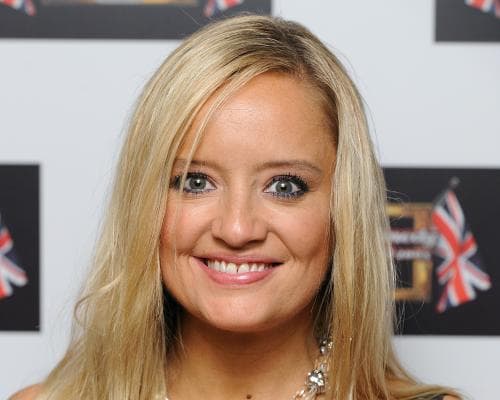
The first thing Lucy Davis wants you to know is that she is not scared. The second is that she would love a push if you see her in a wheelchair. That’s the voice of a woman who, at 53, has been handed a terminal diagnosis and decided to spend whatever time remains not in quiet despair, but in loud, messy, joyful defiance. When the actress—beloved as the sweetly awkward Dawn Tinsley in the original BBC *The Office*—announced on Instagram that she has incurable stage four breast cancer, she didn’t ask for pity. She asked for jokes. She asked her friends and family to poke fun at her “as much as possible.” She told them not to treat her like a sick person, because, as she put it, “There’s nothing that will make you feel more unwell than being treated as if you’re unwell.”
Davis, the daughter of comedian Jasper Carrott, has spent decades making people laugh—first as the receptionist dreaming of escape from Wernham Hogg, then as Hayley Jordan on BBC Radio 4’s *The Archers*, and later in Hollywood roles like *Wonder Woman* and *Shaun of the Dead*. But her most profound performance may be the one she’s giving now, off-script, in real time. Diagnosed a year and a half ago, she learned that the cancer had metastasized to her bones—her spine, right hip, and ribs. Chemotherapy was no longer an option. The medical timeline is unknown, but Davis has chosen to fill it with intention, humor, and a radical kind of generosity that has nothing to do with money.
Her gift is vulnerability. In a culture that often hides illness behind filtered photos and brave smiles, Davis has opened the door to the messy, painful, and sometimes absurd reality of living with stage four cancer. She talks openly about the pain that makes standing and walking difficult, about needing a wheelchair, about the grief her family will carry. But she also speaks of peace, of seeing her late dog Gracie sooner than expected, of leaving her physical body as “going home.” This is not denial; it’s a conscious choice to redefine what a good death—and a good life—looks like. And she’s inviting millions of strangers to learn from it.
The mechanics of her philanthropy are simple and powerful: she is using her platform to model a new way of being sick. By asking not to be treated as an invalid, she challenges the well-meaning but often suffocating sympathy that surrounds serious illness. She’s flipping the script on what it means to be a “fighter,” suggesting that sometimes the bravest thing you can do is laugh at the absurdity of it all. Her Instagram post, which has drawn an outpouring of love from fans and fellow actors, has become a touchstone for anyone navigating their own health crises or supporting loved ones through theirs.
Her impact extends beyond her own story. By speaking so candidly about the realities of metastatic breast cancer—a disease that kills roughly 685,000 people worldwide each year—Davis is helping to strip away the stigma and silence that often accompany terminal diagnoses. She’s reminding us that joy and sorrow can coexist, that humor is a form of resilience, and that being honest about pain doesn’t make you weak—it makes you human. Her words have already sparked conversations in cancer support groups, on social media, and around dinner tables, giving people permission to say the things they’ve been afraid to voice.
What Davis is doing is not a check-writing exercise; it’s a legacy-building one. She’s showing that the most valuable currency we have isn’t in our bank accounts but in our willingness to be present, to be real, and to make others feel less alone. In a world that often worships denial, she’s offering the rarest gift of all: the truth, wrapped in a joke, delivered with love. And that’s a kind of philanthropy that no amount of money can buy.