London's Nightlife Guardian: Sadiq Khan's First Use of New Powers to Save Soho's Soul
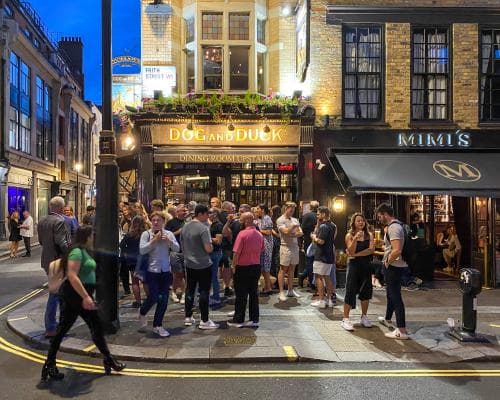
There is a particular magic to a Soho evening — the neon hum of Old Compton Street, the clink of glasses spilling onto pavement, the late-night jazz seeping from basement doors. It is a magic that has survived blitzes, recessions, and a pandemic. But last month, it nearly met its quietest, most bureaucratic assassin yet: a council licensing policy that would have banned new pubs and bars from opening in the district, forced last orders at 10pm, and demanded that patrons sit down rather than stand while drinking. The policy, drafted by Westminster's Conservative council, called this "vertical drinking" — and it read less like urban planning than an obituary for nightlife.
Enter Sadiq Khan, the Labour mayor of London, who this year was granted new powers by the government to intervene in local licensing decisions. He has never used them — until now. In a bold, precedent-setting move, Khan ordered Westminster council to scrap the draft policy entirely, calling it a "direct attack" on the city's cultural and economic vitality. The Guardian first revealed the policy's details, which also included designating all of Soho and the West End as a "cumulative impact zone" — a label that would make it nearly impossible for any new bar, pub, or nightclub to open, except under exceptional circumstances. This, in one of Europe's most beloved nightlife hubs, where music venues and historic pubs are as much a part of the cultural heritage as the National Gallery.
Khan's intervention is not just a political gesture; it is backed by hard data. Home Office licensing figures show that in 2023-24, only 41 licence applications were made in the West End cumulative impact area, with just 16 granted. Between 2023 and 2026, only 3.5% of applications that went to Westminster's licensing subcommittee were approved exactly as applied for. Pub and wine bar applications dropped by 80% between 2022 and 2024. The council's own policy, if enacted, would have accelerated this decline — pushing Soho toward a sterile, chain-store future where the only thing on tap is corporate mediocrity.
The mechanics of Khan's intervention are worth understanding, because they signal a shift in how London governs its nightlife. The mayor's new powers allow him to review and direct changes to local licensing policies if they conflict with his own statutory nightlife strategy — a strategy that explicitly aims to protect and promote the capital's evening economy. By using these powers for the first time, Khan has sent a clear message: the West End is not a nuisance to be managed, but an asset to be cherished. He has asked Westminster to rewrite the draft policy, and while the council could push back, the political weight of the mayor's office — combined with public anger and industry outcry — makes it likely they will comply.
This is not just about pubs. It is about the people who build their lives around them: the DJs, the bartenders, the small venue owners, the late-shift nurses and theatre crews who find community after dark. Soho's nightlife generates billions for London's economy and employs tens of thousands. But more than that, it is a cultural ecosystem — a place where LGBTQ+ history was forged, where punk was born, where poets and painters and drifters have always found a table. To ban new bars is to freeze that living culture in amber, to turn a vibrant neighborhood into a museum of its own past.
Khan's move also sets a national precedent. Other cities — from Manchester to Bristol — are watching how London handles the tension between residential noise complaints and the economic and cultural value of nightlife. By intervening, Khan has redefined the mayor's role as a defender of urban joy, not just a manager of infrastructure. He has shown that licensing policy is a form of cultural policy, and that protecting a city's soul sometimes means standing up to local bureaucracy. The council's draft policy also included plans to label Mayfair and Victoria as special noise-restriction zones, which would have further eroded the West End's character. Those plans now hang in the balance.
For philanthropists and cultural patrons, this is a reminder that not all giving is financial. Sometimes the most impactful gift is political courage — the willingness to use power to protect what cannot be replaced. Sadiq Khan is not writing a check, but he is writing a new chapter in London's story. He is saying that a city's worth is measured not only in its skyscrapers and stock exchanges, but in its open doors, its late-night laughter, and its refusal to let the lights go out. And in doing so, he has given Soho something priceless: a future.