The Professor Who Couldn't Speak Until 11: Jason Arday's Extraordinary Rise—and the Questions That Followed
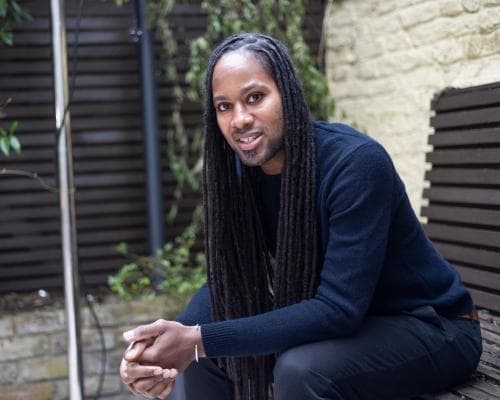
He was 11 years old before he spoke his first full sentence. By 37, he held one of the most prestigious chairs in the world—Professor of Sociology of Education at Cambridge. Jason Arday's ascent seemed like a fairy tale: a young, Black, working-class academic who defied every odd, who said his mission was to open the ivory tower to those locked out. But the fairy tale has curdled. Arday resigned this week after a torrent of allegations—plagiarism, exaggerated academic appointments, and claims of raising millions for charity that have not held up to scrutiny. The same institution that once celebrated him as a diversity triumph now faces demands for an independent inquiry into how he was appointed.
Arday's story is inseparable from the cause he championed: widening participation in higher education. Born in London to Ghanaian parents, he was diagnosed as autistic and severely delayed in speech. Teachers wrote him off. But his mother refused. She read to him, talked to him, and eventually, he found his voice—and then found his purpose. He became a lecturer, then a professor, then a Cambridge don. His memoir, due out this week, was reportedly sold for £1.4 million. The publisher saw a story of hope. The critics saw a pattern of exaggeration.
The controversy erupted over a series of claims. Arday said he had raised millions for charity through his speaking and mentorship work. An investigation by The Guardian found no evidence of such fundraising. He also faced accusations of plagiarism in his PhD thesis and published work—allegations he denies, but which led to a formal complaint. His academic record, while solid, was thinner than typical for a Cambridge chair. The university's appointment committee has been accused of prioritizing a 'quick fix' for staff diversity over scholarly rigor. Senior academics, including Professor Priyamvada Gopal, have circulated a letter demanding an independent, external inquiry into the hiring process and the fallout.
The case raises uncomfortable questions about the culture of giving and recognition. Arday's philanthropic claims were part of his brand—a brand that opened doors, secured book deals, and inspired countless young people. But when the stories fray, the damage extends beyond one man. It undermines trust in genuine efforts to diversify academia, and it fuels the backlash against affirmative action. The university's failure to properly vet his claims, or to support him when the scrutiny began, has left everyone exposed.
Yet, even in the wreckage, there is a deeper lesson. Arday's original vision—that a child who couldn't speak could become a professor—is not wrong. The problem is not ambition; it is accountability. The philanthropy world knows this well: the most effective givers are the most transparent. Arday may have fallen short, but the cause he represented—making elite institutions reflect the society they serve—remains urgent. The inquiry, if it happens, should not be a witch hunt. It should be a reckoning that strengthens, not weakens, the push for diversity—one that demands both heart and rigor.
For now, Arday is silent. His memoir will still be published. The questions will remain. And Cambridge, once again, is forced to look in the mirror. The hope is that the next trailblazer will be celebrated for what they truly do, not just what they claim to be. That is the real legacy worth building.