Air India Board Meets in Mumbai as Tewolde Gebremariam Prepares to Take the Controls
Air India's board gathers in Mumbai as Tewolde Gebremariam prepares to succeed Campbell Wilson, with the incoming CEO's pay on the agenda.
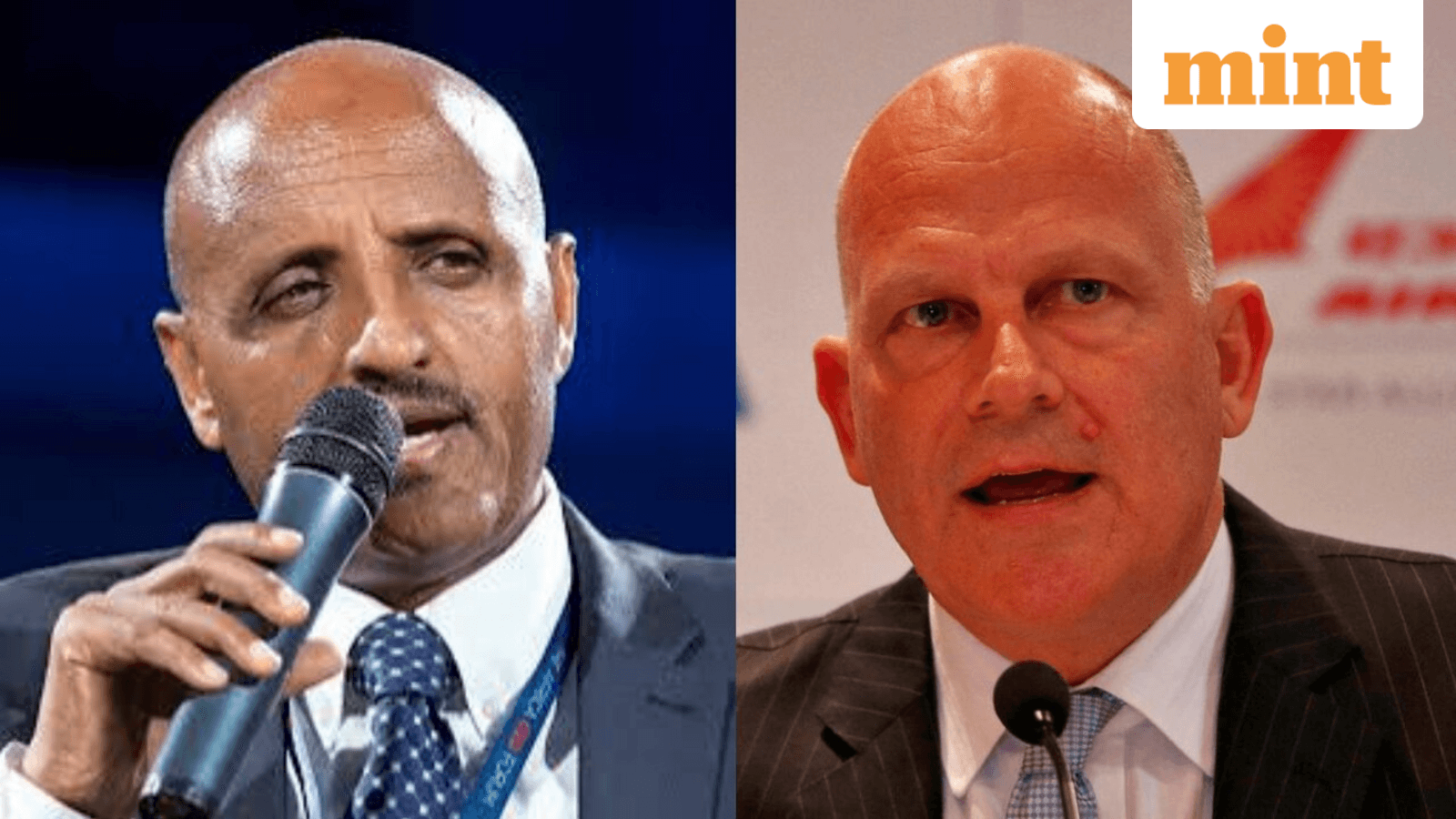
On Tuesday, a handful of men walked into Bombay House, the Tata Group's Mumbai headquarters, and the cameras did the rest. N Chandrasekaran, the Tata Sons chairman, was there. So were Campbell Wilson, Air India's outgoing chief executive, and Tewolde Gebremariam, the man expected to replace him later this month. For anyone tracking where Asian capital is placing its bets, the image said more than any press release: the subcontinent's most storied airline, backed by its largest conglomerate, is changing pilots mid-flight.
The board meeting itself was routine on paper. Directors were expected to discuss several matters, including the salary structure of the incoming CEO, according to sources cited by PTI. Wilson, who has led Air India and its transformation plan since July 2022, is set to step down this month; the board is expected to thank him for his contributions. Air India's board, besides Chandrasekaran and Wilson, has five other members: Sanjiv Mehta, Alice G Vaidyan and P R Ramesh as independent directors, and P B Balaji and Goh Choon Phong as non-executive, non-independent directors. Goh's presence is a quiet reminder of who else has skin in this game: Singapore Airlines holds a 25.1% stake in the carrier.
For outsiders, the backstory matters. Air India was a state-owned emblem of post-colonial ambition that decayed into a loss-making ward of the government before Tata Group took it over in January 2022. The homecoming was emotional — Tata was the airline's original founder — but sentiment does not fly planes. Since the takeover, the group has spent heavily on its fleet, refurbishing older aircraft and inducting new ones, with more than 100 planes expected to join the Air India group in 2027 and 2028. The challenges have been relentless: geopolitical disruptions, airspace closures, fuel price volatility and operational issues. And in June last year, the fatal AI171 accident killed 260 people, a tragedy that hangs over every safety briefing and boardroom discussion.
That is the context in which Gebremariam's appointment should be read. He is the former chief of Ethiopian Airlines Group, where he oversaw a rapid expansion of the carrier's fleet, network and revenues and helped develop Addis Ababa into a major international hub. For an airline that needs to get the basics right every day, as he told employees at a September 7 townhall, his CV is the argument. At that same townhall, he said: "We will Make Air India Great Again (MAGA)" — a phrase borrowed from American politics, deployed here to a workforce that has heard grand promises before. Chandrasekaran, for his part, stressed the need to focus on safety and build a stronger culture of cost consciousness.
The signals for Asia's wealth watchers are layered. First, this is a test of whether a conglomerate known for salt, steel, software and Jaguar Land Rover can turn around a legacy airline — a business with thin margins, unionised labour and unforgiving regulators. Second, it shows the deepening link between India and the Gulf-adjacent aviation map: Ethiopian Airlines' success was built on connecting Africa to the world through a single hub, and Gebremariam's task is to do something similar for a carrier that once defined Indian aviation. Third, the salary question on the board's agenda is not trivial. Executive pay at a Tata-owned company is a signal of how much autonomy the group is willing to give a foreign CEO — and how much it expects in return.
What happens next will be watched from Singapore, Addis Ababa and Delhi alike. Wilson leaves behind a transformation plan that is still mid-air. Gebremariam inherits a fleet order book, a bruised reputation and a workforce that has been asked to believe again. If he can get the basics right — safety, cost discipline, on-time performance — Air India becomes a case study in how Asian conglomerates absorb global talent to fix national champions. If he cannot, the Bombay House photograph will be remembered as the moment the runway ran out.