Afreximbank’s $75m Spiro bet: why electric motorcycles are Africa’s new oil
Afreximbank’s FEDA invests $75m in Spiro, Africa’s biggest e-motorcycle and battery-swap network, betting on green industrialisation.
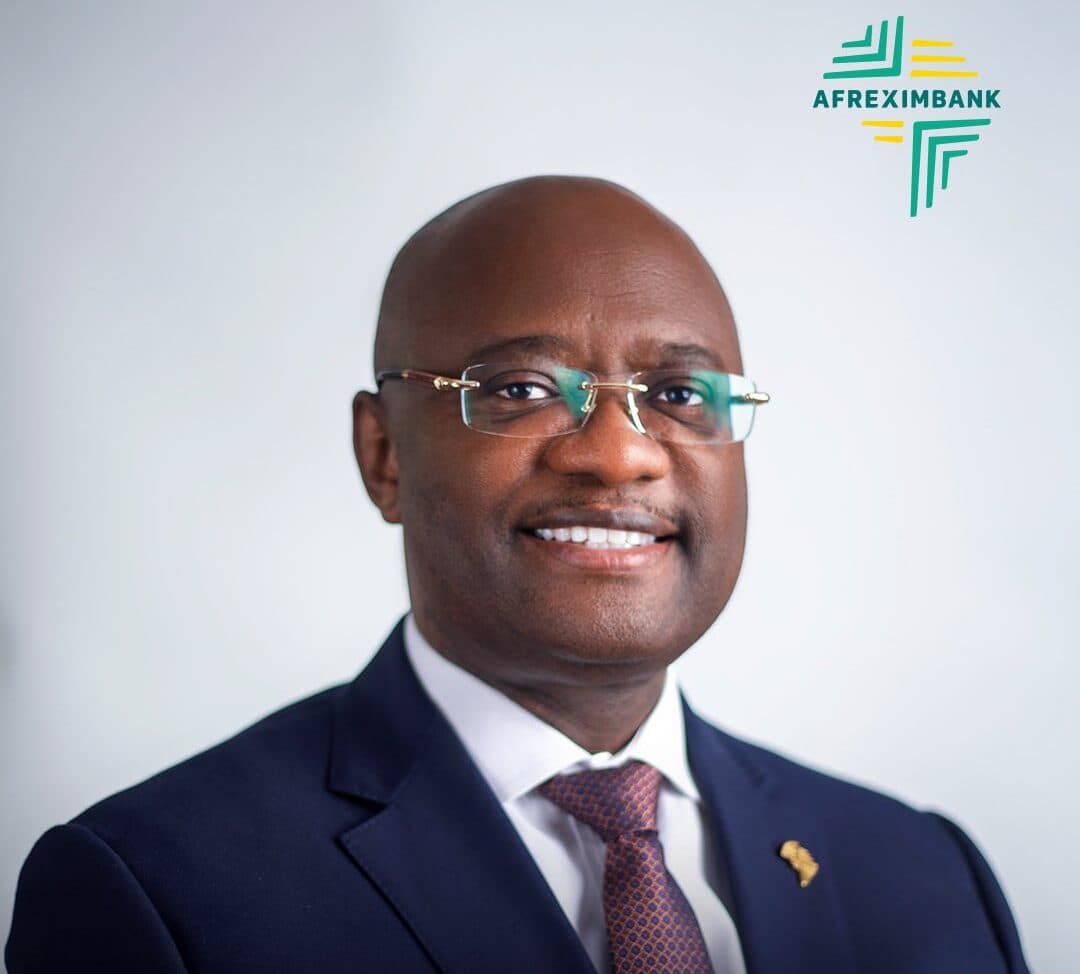
For anyone tracking where Africa’s serious money is moving, the clue this week was not in a mine or a megaport but in the humble motorcycle. Spiro, the continent’s dominant electric two-wheeler operator, just pulled in a $75 million commitment from the Fund for Export Development in Africa (FEDA), the impact investment arm of Afreximbank. That is not pocket change, and it is not a charity grant. It is a strategic signal from one of the continent’s most powerful development lenders that the future of African transport — and manufacturing — runs on batteries, not barrels.
The deal, announced on Monday, gives Spiro a powerful institutional backer as it rolls out what it calls Africa’s largest battery-swapping network: over 60,000 electric motorcycles and 1,200 swapping stations across several countries. FEDA is the equity arm of the African Export-Import Bank, so this is development finance with a commercial edge. Afreximbank’s president, Dr. George Elombi, framed the investment as a building block for a new era of intra-African trade and industrialisation, explicitly linking it to local vehicle manufacturing, skills transfer, and cutting the continent’s addiction to imported second-hand cars. For Spiro’s founder, Gagan Gupta, the money accelerates a mission to transform mobility and energy storage from Lagos to Kigali.
To understand why this matters beyond the headline, you need to know what Spiro actually is. Founded in 2022, it is not a car company. It builds and deploys electric motorcycles — the ubiquitous okada taxis that move millions of people daily across West and East Africa — and pairs them with a network of swapping stations where riders exchange a dead battery for a charged one in minutes. That model solves the two biggest problems with electric vehicles in Africa: the high upfront cost and the lack of charging infrastructure. Instead of waiting hours to charge, a rider swaps in under five minutes, and instead of buying a bike outright, many use pay-as-you-go financing. It is a mobility solution built for African roads, not a Western one imported wholesale.
This is also a bet on policy momentum. The investment lands as several African governments — Nigeria, Kenya, Rwanda, and Ghana — are rolling out pro-EV policies. Nigeria’s Senate, for instance, just passed the second reading of a bill to facilitate the transition to electric vehicles and promote green mobility. In July, the federal government launched new National Occupational Standards for CNG and EVs, part of an effort to reposition the country’s automotive industry. FEDA’s statement explicitly ties its Spiro investment to this broader automotive strategy, which aims to build integrated manufacturing ecosystems by connecting technology providers with local industrial champions. In plain terms: Afreximbank wants Africa to build its own electric vehicles, not just buy them from China or India.
What does this tell us about the state of capital in Africa? First, that development finance institutions are no longer just funding roads and ports; they are backing venture-scale startups with a climate angle. Second, that the continent’s mobility revolution is being led by two-wheelers, not cars — a reality that global investors often miss. Third, that the battery-swapping model, once dismissed as niche, is now seen as a legitimate infrastructure play. FEDA’s CEO, Marlene Ngoyi, called Spiro’s success a demonstration of the strength and scalability of its business model, noting that rapid growth and strong market adoption show real demand for affordable, sustainable mobility. That is lender-speak for: this works, and we want more of it.
Looking ahead, the real test is whether this investment translates into actual manufacturing. Spiro’s energy distribution business — integrating renewable sources into its battery network — could become as valuable as the bikes themselves. If Afreximbank’s strategy holds, we could see more deals like this: development capital plugging into African tech startups that have cracked a local problem, then scaling it across borders. The $75 million is a down payment on a vision of a continent that manufactures its own transport, powers it with clean energy, and trades it among itself. For anyone who has watched Africa’s wealth story revolve around commodities and consumer goods, this is a different kind of bet — one on ingenuity, infrastructure, and the simple, profitable act of moving people more cheaply.


