When a Charity Race Became a Billboard: The Bet365 Apology That Shamed the Giving World
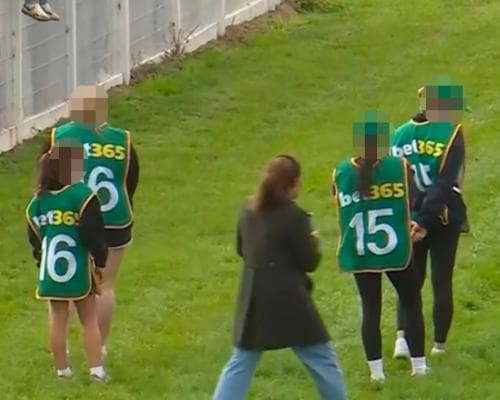
It was supposed to be a feel-good moment: a charity race day, families gathered, kids in bright T-shirts, all in the name of a good cause. But when the photos hit the wire, the mood curdled. There, on the chests of children barely old enough to read, were the unmistakable green and yellow of Bet365, a gambling behemoth. The image was a PR nightmare, a stark visual of how easily the line between generosity and commercial exploitation can blur. The company's apology came swiftly, but the damage was done—not just to their brand, but to the very idea of what a charitable event should stand for.
Bet365 is no small player. Founded by the Coates family in Stoke-on-Trent, it has grown into one of the world's largest online gambling companies, with revenues in the billions. The Coates family, led by Denise Coates, has also been a significant philanthropist, donating hundreds of millions to medical research and education through their foundation. But this incident exposed a troubling paradox: how can a company that profits from addiction and financial ruin be a champion of good? The charity race, which was meant to raise funds for a local cause, became an inadvertent billboard for the very industry that many argue fuels social harm.
The specific event in question was a charity race in which children participated, and the logos on their clothing were part of a sponsorship deal gone wrong. Bet365's apology acknowledged the “unacceptable” nature of the oversight, but the episode raised a deeper question: should gambling companies be allowed to attach their names to charitable causes at all? The optics were particularly damning given the growing awareness of gambling's devastating impact on families and communities. The image of a child wearing a betting logo is not just a PR slip; it's a symbol of how far the industry will go to normalize its presence, even in the most innocent of settings.
The mechanics of how this happened are telling. Sponsorship deals are often signed at arm's length, with marketing teams focused on reach and visibility, not on the moral implications. The charity, likely desperate for funding, accepted the money without fully considering the message it would send. Bet365, for its part, may have seen this as a simple branding opportunity—a chance to associate its name with community goodwill. But the backlash showed that the public is no longer willing to accept this kind of trade-off. The apology was a recognition that the company had overstepped, but it also highlighted a systemic failure in how philanthropy and corporate interests intersect.
The broader impact of this incident goes beyond Bet365. It has sparked a conversation among charities about the ethics of accepting money from industries that cause harm. Some have already pledged to review their sponsorship policies, and there are calls for greater transparency in how such deals are structured. For the gambling industry, it's a wake-up call that their attempts to rebrand as responsible corporate citizens will be met with skepticism, especially when children are involved. The image of those kids in those T-shirts will linger, a reminder that generosity must be rooted in integrity, not just deep pockets.
For the culture of giving, this moment is a lesson in the power of optics. Philanthropy is not just about the money—it's about the message. When a charity accepts a check, it also accepts the baggage that comes with it. The Bet365 apology is a rare moment of accountability, but it also serves as a cautionary tale for every organization that has ever looked the other way for a quick buck. The truly impactful givers, the ones who change the world, are those who understand that the gift is only as good as the values it represents. And in this case, the values were glaringly wrong.
As the dust settles, the question remains: will Bet365 and others like it learn from this? Or will they simply find more discreet ways to buy goodwill? The public is watching, and they are not easily fooled. The children in those logos have become unwitting symbols of a broader struggle—between the allure of easy money and the hard work of doing good. The apology was a start, but the real test will be in the actions that follow. Will the company divest from such sponsorships? Will charities think twice before taking their money? The answers will shape the future of giving, and the world is waiting to see which side of the line they choose.