Aardman's Profit Hopes Crumble as Production Delays Hit the Studio Behind Wallace & Gromit
Aardman, the employee-owned animation studio behind Wallace & Gromit, missed its target to return to profit in 2025, posting a £1.1m loss despite an 8% revenue rise to £20.4m. The shortfall, driven by production delays and a tough children's content market, signals deeper challenges for independent intellectual property owners in a consolidating media landscape.
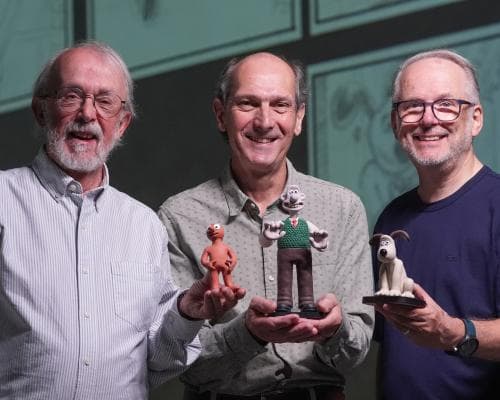
Aardman, the beloved British animation studio behind Wallace & Gromit, had every reason to expect a triumphant return to profit in 2025. After two years of consecutive losses, the employee-owned company set its sights on a modest surplus. But as its latest accounts reveal, the studio fell short, posting a £1.1m loss. The culprit? A toxic mix of production delays and a "challenging market" for children's content. For a business that has charmed global audiences for over five decades, the numbers sting.
The scale of the miss is telling. Revenue climbed 8% to £20.4m last year, a respectable top-line gain. Yet the bottom line remained stubbornly red. The £1.1m loss is an improvement on the prior year's £4.1m deficit, but it's a far cry from the black ink management had promised. Aardman blamed the timing of some "significant" deals and weaker income in certain divisions. In plain terms: the money didn't land when expected, and some parts of the business simply didn't pull their weight.
So what went wrong? The studio, which also produces the hit series Shaun the Sheep, is not short of creative firepower. Wallace & Gromit: Vengeance Most Fowl broke viewing records over Christmas 2024, becoming the most-watched animated film on British television since 2002. It won two Baftas and earned an Oscar nomination. A third Shaun the Sheep film hit cinemas last month, and a new exhibition at London's Lightroom celebrates Aardman's 54-year history. Even the famously silent Gromit is getting a voice, with Martin Freeman narrating his autobiography audiobook. Yet none of this could offset the operational drag.
The mechanics of the shortfall are a familiar story for independent studios. Aardman launched a five-year business plan in 2024, pledging more investment in its intellectual property and cost-cutting. But inflation has squeezed production budgets, and the children's content market has softened as streamers tighten their spending. In early 2026, the company conducted a further strategic review, resulting in "several redundancies." It's a painful but necessary reset. For a studio that owns its characters outright—a rarity in an industry dominated by licensed IP—the pressure to monetise that library efficiently is immense.
What does this mean for the wealth builders watching the media sector? Aardman's stumble is a cautionary tale about the economics of creative independence. Employee ownership aligns incentives, but it also means the studio must fund its own mistakes. Unlike a Disney or Netflix, it cannot absorb a flop or a delay without real financial pain. The £20.4m revenue base is tiny by global standards, yet the brand equity is enormous. That mismatch is both the opportunity and the risk. For family offices and private investors, the lesson is clear: owning iconic IP is not the same as printing money. Execution—timing, cost control, distribution—matters just as much as the characters.
Looking ahead, Aardman has levers to pull. The new Shaun the Sheep film could reignite merchandising and licensing income. The Lightroom exhibition is a smart brand extension, turning nostalgia into a revenue stream. And the Gromit audiobook, read by Martin Freeman, opens a new format for a character who has never spoken on screen. But the studio must also confront structural headwinds. The children's content market is not getting easier, and inflation is not retreating quickly. Management's five-year plan hinges on deeper IP investment—meaning more bets on new characters and formats. If those bets pay off, Aardman could return to profit and build a more resilient business. If not, the studio may find itself repeatedly trimming costs to stay afloat.
For now, the celebratory Wensleydale stays in the fridge. Aardman's story is one of extraordinary creative capital married to fragile financials. The world loves Wallace and Gromit. The question is whether that love can be converted into sustainable profit—or whether the studio's independence will remain a noble but costly pursuit.
More in MONEY