The Caviar of the Grill: Why Uyghur Lamb Skewers Are the Season’s Most Coveted Culinary Obsession
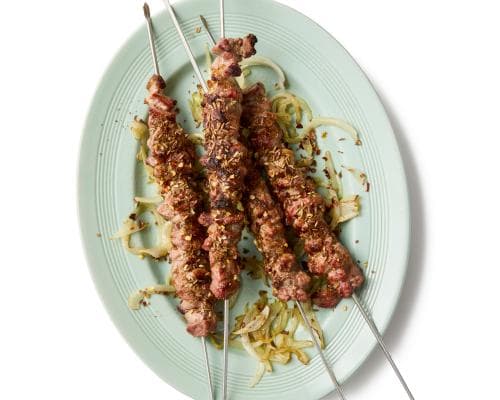
The most exclusive dining invitation in London this summer doesn’t involve a tasting menu in Mayfair or a private room at a members’ club. It involves charcoal, a bare metal skewer, and a cut of lamb so perfectly marbled it glistens like polished jet. The Uyghur lamb skewer—kawap, in the Turkic tongue of the Xinjiang region—has quietly become the ultimate status snack among those who know that real luxury isn’t about price tags. It’s about provenance, technique, and a story that spans three thousand miles.
Here’s the backstory that matters. Xinjiang, the vast autonomous region in northwest China, is home to the Uyghur people—a Turkic-speaking Muslim community whose cuisine shares DNA with the great grilling traditions of Central Asia. Their signature dish, lamb skewers spiced with cumin and chili, has migrated from the bazaars of Kashgar to the streets of Beijing (where it was rebranded as “old Beijing skewers”) and now to London’s most discerning tables. The numbers are telling: in the past five years, the number of Xinjiang restaurants in London has more than doubled, with Golders Green emerging as an unlikely epicenter. But the real action isn’t in the dining room. It’s on the grill.
What makes these skewers worth a private jet detour? The meat, first and foremost. Forget filet mignon. The preferred cut here is lamb rump—lean, yes, but punctuated with small, deliberate chunks of pure lamb fat. This is not a mistake. It’s a strategy. The fat, sliced thin, renders over the fire and bastes the meat from within, creating a crust that crackles and an interior that stays impossibly juicy. As one London chef explains, the fat shrinks dramatically and becomes crispy—like a savory caramel. The cubes themselves are cut at about two and a half centimeters by one and a half, a size that ensures a seared exterior and a pink, yielding center. Skewer them tightly, so the pieces touch, and you create a continuous sheath of heat that locks in every drop of flavor.
The spice blend is deceptively simple: cumin, chili flakes, salt. But the cumin must be whole, toasted, and ground fresh. The chili should be from Xinjiang’s own harvest—fruity, not fiery. This is not a recipe for amateurs. It’s a ritual that demands respect for fire, for timing, and for the alchemy of fat and heat. In an age of deconstructed everything, there is something profoundly rebellious about a dish that relies on nothing but meat, fire, and a handful of spices. It’s the culinary equivalent of a Patek Philippe without a diamond bezel: pure, unapologetic craftsmanship.
What does a Uyghur lamb skewer say about your taste? It says you understand that the rarest commodity today is not truffles or vintage Champagne. It’s authenticity. While others queue for omakase, you’re at a grill in a backstreet, eating with your hands, chasing the perfect char. This skewer signals a palate that has traveled—not just geographically, but culturally. It says you value heritage over hype, and that you know the difference between a trend and a tradition. For the ultra-wealthy, this is the new frontier: not gilded excess, but the thrill of discovery. The skewer is the great equalizer. A billionaire and a taxi driver can stand side by side at a Xinjiang grill, and both will reach for the same piece of lamb fat.
Looking ahead, expect to see Uyghur lamb skewers appear on the menus of private dining clubs and rooftop terraces from London to Los Angeles. Chefs are already experimenting with dry-aged lamb, wagyu fat, and custom spice blends. But the purists—the ones who know—will tell you to seek out the original. The summer of the skewer is here, and it’s not a fad. It’s a return to the elemental pleasure of cooking over fire, with nothing between you and the meat except a little salt, a lot of heat, and centuries of tradition. That, in the end, is the truest luxury of all.
The Experience
Book a private grilling masterclass with a Xinjiang-born chef in London, or arrange a bespoke spice-blend consultation for your home kitchen.