The £159 Million Fantasy: Why Uncle Roger’s Kawan Proves Digital Fame Can’t Buy Taste
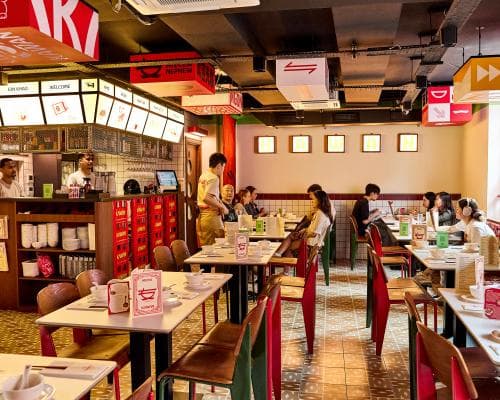
A single fried-rice bowl costs £15.90. Multiply that by 10 million—the number of YouTube subscribers who made Uncle Roger a global meme—and you get £159 million. That’s the kind of napkin math that launches a thousand vanity projects. But math doesn’t taste like anything. And on a quiet Thursday afternoon in London’s Chinatown, six weeks after the opening confetti was swept away, Kawan feels less like a culinary empire and more like a very expensive inside joke that nobody else is laughing at.
Nigel Ng—the Malaysian comedian behind the Uncle Roger persona—has built a career on pithy takedowns of bad fried rice. His viral rants against Jamie Oliver’s egg-fried rice turned him into a folk hero for carb purists. So when he opened his first UK restaurant, the logic seemed bulletproof: take a loyal digital army of 10 million, feed them the “Chinatown fried rice” with crispy XO chilli and Cantonese lap cheong, and watch the cash register sing. But restaurants aren’t algorithms. They don’t run on views. They run on repeat customers, on service, on a room that makes you want to stay. And Kawan, right now, is largely empty. The staff are lovely—genuinely warm—but they have the haunted look of stewards rearranging deck chairs on a very quiet ship. The Gen Z crowd that was supposed to flood the place? Nowhere to be seen. The only diners are middle-aged couples squinting at the menu, trying to decode references to “Uncle Guga” and “aji-no-bun” like they’re reading a foreign language.
The problem with building a restaurant out of in-jokes is that jokes expire. Memes have a half-life of about nine months. By the time the wallpaper—comic-book pages, already feeling dated—was hung, the punchline had moved on. The bathroom is a single 1970s-style loo with a Tesco Value toilet duck beside it. That’s not ironic staging. That’s a statement. It says: we didn’t think about the details. The stairs are cold, the design stark, the whole vibe screaming “eat up and leave.” And then there’s the bowl. A server brings a dish of “fried rice from the village” with a long, pointy handle. She interrupts the table’s conversation to deliver a very specific warning: please don’t grab the bowl by the handle, or it will detach and the food will hit the floor. She says this as if it’s a daily occurrence. She says it multiple times. My dining companion whispered the obvious: wouldn’t it be simpler to buy bowls that don’t come apart? That moment, right there, is the whole story of Kawan in one gesture. A restaurant that prioritises a gimmick over a basic function. A business that counted subscribers instead of checking the crockery.
The fried rice itself is actually quite good—well-executed, with proper wok hei and a nice kick from the balachan. But London’s Chinatown is a forest of great fried rice. You can get a bowl that’s just as good, in a room that doesn’t feel like a pop-up that overstayed its welcome, for half the price. The “choco-orange ribs” sound like a dare. The firecracker rolls feel like a relic from a late-night menu brainstorming session that should have ended earlier. The whole menu reads like a series of YouTube comments made edible—which is charming until you realise you’re paying £15.90 for the privilege of being a punchline.
What Kawan reveals about wealth and taste in 2024 is uncomfortable but instructive. Digital fame is not the same as cultural capital. A million followers can buy you a lease, but they can’t buy you a room that feels like home. The ultra-wealthy understand this instinctively: the difference between a viral moment and a legacy is craftsmanship, consistency, and the willingness to spend on things that don’t show up in a thumbnail. Kawan spent on the influencer, the launch party, the branded bowls. It forgot to spend on the experience. And in the luxury market—whether we’re talking watches, travel, or a bowl of rice—experience is the only currency that doesn’t depreciate.
Looking forward, Kawan will likely survive on novelty for another quarter, maybe two. Uncle Roger’s fans will come for the pilgrimage, take a photo, and leave. But the second-time visitors—the ones who build a restaurant’s reputation—are not coming back. The lesson for anyone with the means to open a passion project is simple: don’t confuse a view count with a reservation. A great restaurant doesn’t need a handle that falls off. It needs a reason to stay. And that’s something no algorithm can teach.
The Experience
Skip the queue at Kawan and book a private chef experience in your own home, where the only handle you’ll worry about is on a vintage sake cup. Contact our concierge for bespoke culinary curation.