The FDA Just Closed a 67-Year-Old Food Loophole — and Punched the Ultra-Processed Fight Down the Road
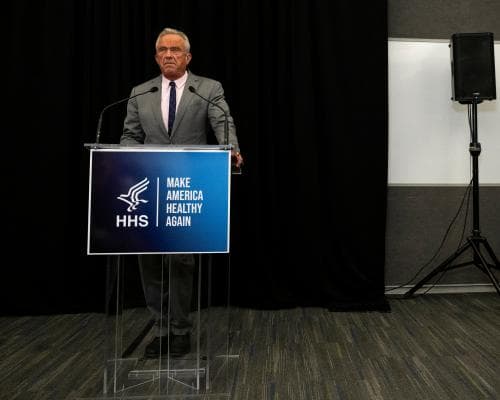
The US Food and Drug Administration (FDA) finally did something it should have done decades ago: it proposed closing a loophole that lets food companies quietly slip new ingredients into the American diet without ever telling regulators. On Monday, the agency announced a rule that would require all ingredients entering the food supply under the Generally Recognized As Safe (GRAS) pathway to be formally submitted to the FDA — a move that turns a voluntary, often-bypassed system into a mandatory notification regime. The surprise isn't that it happened; it's that it took 67 years, and even now, the agency punted on the question that actually matters to consumers and investors alike: what, exactly, is 'ultra-processed food'?
The GRAS pathway was created in 1958 as a narrow exemption for ingredients like vinegar and salt that were already widely used and obviously safe. But over the decades, it became the back door for nearly every new additive, preservative, and chemical compound in your pantry. Companies decided for themselves whether their ingredients were safe — no FDA sign-off required. Kyle Diamantas, acting FDA commissioner, admitted on a press call that the framework had 'greatly outpaced' the formal food additive petition process, making it the primary route for new substances to enter the US food supply. The new rule would change that, applying to both existing GRAS ingredients and future ones. It's a genuine regulatory upgrade, but it's also a modest one. The FDA isn't banning anything; it's just asking to be informed.
Marion Nestle, the legendary NYU nutrition professor, captured the mood of the food science community with a blunt 'You have to be kidding. That’s all?' She's right to be underwhelmed. The Trump administration had promised a sweeping overhaul of food regulation — a promise that included finally defining 'ultra-processed foods,' a term that has become the rallying cry for a new generation of nutrition researchers and a growing market for 'clean' alternatives. Instead, the FDA delivered a procedural fix and pushed the definitional question to 'later.' That later never seems to arrive, even as the administration faces one of the largest foodborne illness outbreaks in recent history, which has put the agency’s credibility under a microscope.
This is where the story gets interesting for anyone tracking the future of food. The GRAS loophole isn't just a regulatory inconvenience; it's a structural flaw in the American food system. It allowed companies to introduce ingredients with zero transparency, which means we have decades of accumulated additives whose long-term health effects were never systematically studied. The new rule doesn't retroactively correct that, but it does create a data trail. For the first time, the FDA will have a comprehensive list of what's actually in our food — a treasure trove for researchers, public health advocates, and, yes, for the startups and VCs betting on 'clean label' and 'whole food' alternatives. If you're investing in precision fermentation, cell-based meat, or AI-driven nutrition, this rule is a tailwind: it levels the playing field by making the old guard disclose its secrets.
But the missing definition of 'ultra-processed' is not just a semantic gap; it's a strategic one. The term, coined by Brazilian researcher Carlos Monteiro, has become the most powerful concept in food policy since the calorie. It correlates with obesity, diabetes, and even cognitive decline, and it's driving consumer behavior — sales of 'minimally processed' foods are growing at double-digit rates. Yet the FDA, the agency responsible for protecting public health, won't even commit to a working definition. That's not a bureaucratic oversight; it's a political choice. Defining ultra-processed would be a declaration of war on a massive swath of the food industry, from soda giants to snack makers, and it would force the agency to take a stance on what constitutes 'real' food. The administration isn't ready for that fight, especially with an election looming and agricultural lobbies holding significant sway.
The market is already moving ahead of the regulators. Investors are pouring billions into companies that promise transparency and whole-food ingredients — from Oatly's oat-based alternatives to NotCo's AI-designed plant proteins. The FDA's rule, if finalized, will give these companies a new tool: a public registry of ingredients that will make it easier to compare products and expose hidden additives. But the bigger prize — the definition — remains up for grabs. Whoever defines ultra-processed first will shape the next decade of food innovation, from what gets funded to what gets banned. The FDA has effectively handed that power to the private sector, at least for now.
So what happens next? The rule enters a public comment period, and the FDA promises more details on ultra-processed foods 'in the coming months.' Don't hold your breath. The more likely scenario is that this becomes a campaign issue, with candidates staking out positions on 'food freedom' versus 'food safety.' For the deep-tech crowd, the message is clear: the old regulatory architecture is crumbling, and the new one is being written in real-time. The companies that win will be those that don't wait for the FDA to catch up, but instead build their own standards — and make transparency their competitive advantage. The GRAS rule is a step forward, but it's a baby step. The real revolution will come when we finally decide what we're eating — and why it took so long to ask.