The Commonwealth Games Just Rewrote Its Own Economics — and the Isle of Man Cashed In
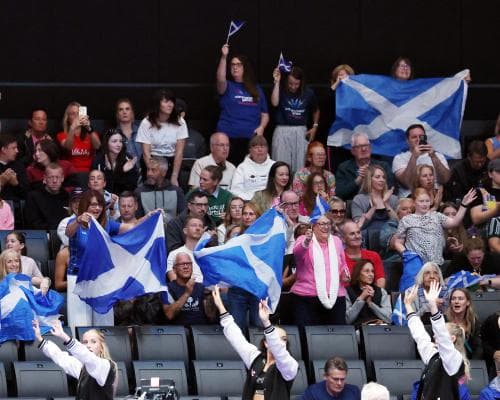
Here’s a sentence you don’t hear every day from a major sporting event’s chief executive: “These Games have not only exceeded expectations. They have demonstrated that major events can flex and evolve to be fit for purpose in the future.” And yet that’s exactly what Phil Batty, the man running Glasgow 2026, told the Guardian as the Commonwealth Games wrapped up its 11-day run. The headline stat is Australia’s phenomenal 70 golds — a haul that would make most nations blush. But the real story for anyone who builds, moves, or protects capital isn’t the medal table. It’s the cost table.
The 2026 Games were a radical experiment in financial restraint. Birmingham 2022 ran 19 sports; Glasgow cut that down to just 10. No sprawling new venues, no white-elephant infrastructure. Instead, the organizers leaned on existing facilities, temporary seating, and a tight schedule that packed everything into 11 days. The result, according to Batty, is a formula that’s not just viable but sustainable — so much so that he’s talking about another 100 years of the Games. For a world where mega-events routinely blow budgets by billions, that’s a quiet revolution. Think of it as the sporting equivalent of a lean startup: strip out the fat, focus on what actually generates value, and suddenly the unit economics work.
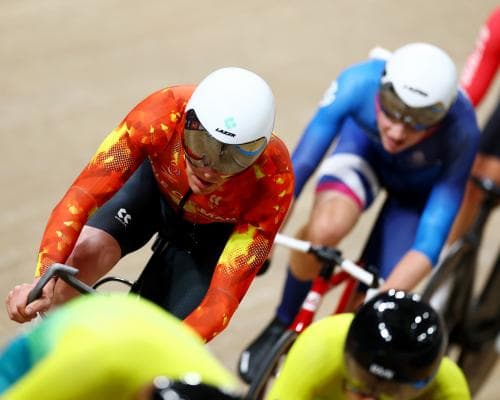
Now, let’s talk about the Isle of Man. This tiny island, population 85,000, just produced its fourth Commonwealth gold ever — and the first in cycling since Mark Cavendish won 20 years ago. The hero is Matthew Bostock, who clinched the men’s points race in a nail-biting final lap, adding two points to his tally to finish with 83. He said it “means the world” to him, his family, and everyone back home. But here’s the money angle: Bostock’s win isn’t just a feel-good story. It’s a case study in how small, focused players can punch above their weight when the field is leveled. In the same way that a boutique asset manager can outmaneuver a giant by concentrating on a niche, the Isle of Man poured its resources into cycling — and it paid off. The island’s cycling federation, backed by local sponsors and a community that clearly remembers Cavendish’s glory days, built a pipeline that just delivered a gold medal. That’s not luck; that’s strategy.
But let’s zoom out to the bigger capital picture. The Commonwealth Games have long been the ugly duckling of global sporting events — too big to ignore, too expensive to love. The 2014 Glasgow Games cost roughly £500 million, and the 2018 Gold Coast edition ran over budget. Birmingham 2022 came in at around £778 million, with the UK government footing a large chunk. Against that backdrop, the 2026 model looks like a masterclass in fiscal discipline. Fewer sports mean fewer federations to pay off, fewer venues to build, fewer broadcast rights to haggle over. The trade-off? A leaner product that might actually turn a profit or, at minimum, not bleed taxpayers dry. Batty’s claim that the Games can “carry on for another 100 years” is bold, but it’s backed by a simple math: if you can host a credible Games without building a single permanent structure, you’ve just removed the biggest line item from your P&L.
What does this signal for the wealthy and the markets? First, it’s a reminder that austerity can be a growth strategy. In a world where central banks are still fighting inflation and governments are tightening belts, the Glasgow model offers a blueprint for public-private partnerships that don’t require endless capital injections. For investors, the takeaway is to look for events and assets that can scale down without losing their core value — think luxury hospitality, boutique festivals, or even regional sports leagues. Second, the Isle of Man’s win is a microcosm of how small jurisdictions can attract capital and talent. The island is already a tax haven and a hub for insurance and fintech; now it has a cycling gold medal to add to its brand. That’s soft power, and soft power has a hard ROI — it draws in sponsors, tourists, and high-net-worth individuals looking for a place that punches above its weight.
Of course, the cynic in me notes that sustainability claims are easy to make when you’re not the one paying the bills. Glasgow 2026 was originally slated for 2026, but it was actually a rescue job — the original host city, Durban, was stripped of the Games in 2017 over financial mismanagement, and Glasgow stepped in at short notice. So Batty’s enthusiasm is partly born of necessity. But necessity is the mother of all financial innovation. The 2030 Games in Amdavad (formerly Ahmedabad), India, will be the real test. If they can replicate Glasgow’s cost discipline in a country with a booming economy and a hunger for global events, then the Commonwealth Games might just have found its permanent business model. And if they do, don’t be surprised to see more islands like the Isle of Man — small, nimble, and focused — walking away with the gold, both on the track and in the ledger.