The Hidden Cost of Gig Logistics: DPD's Spreadsheet Gap Exposes the True Price of 'Flexible' Work
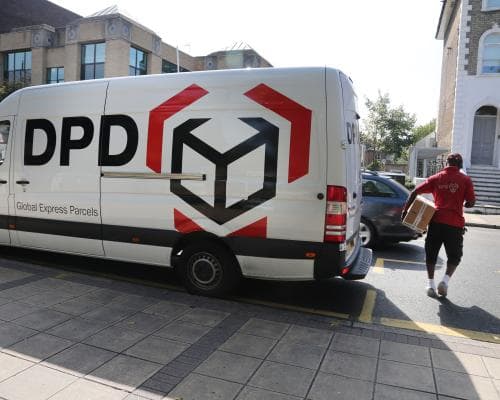
Inside DPD's sprawling logistics empire, there's a spreadsheet that tells a story the company would rather not broadcast. It calculates the cost of thousands of temporary workers, but the columns for sick pay and pension contributions are conspicuously absent. That's not just a clerical oversight — it's a window into how the gig economy's pricing mechanics can quietly strip away the legal entitlements that keep workers from falling through society's safety net.
The numbers are damning. The 'charge rate' that brands pay to recruitment agencies is supposed to include all legal employment costs, including statutory sick pay (SSP) and pension contributions. But internal documents suggest DPD's spreadsheets — the same ones that feed algorithmic staffing decisions — don't include these costs. Employment lawyers like Zoë Lagadec of Mulberry's are blunt: either workers aren't getting paid when they're ill, or they're being rotated out before the 12-week threshold that triggers pension contributions. Either way, it's a breach of employment law, and it's happening at a company that proudly calls itself 'one of Europe's leading parcel groups.'
This isn't just a story about one courier firm. It's a story about the invisible machinery of modern logistics, where every minute of human labor is priced, optimized, and often underpaid. DPD, wholly owned by France's La Poste, runs over 10,000 vehicles and employs more than 15,000 people. But the real workforce is a vast, churning pool of temporary staff — the invisible hands that sort, load, and deliver our parcels. The spreadsheets that manage them are a product of fintech's relentless drive to quantify everything, reducing human needs to line items that can be shaved off to win a contract.
The technology that enables this is the same technology that could fix it. Algorithmic workforce management, payroll automation, and real-time compliance tracking are all part of the fintech stack that gig platforms use to scale. But in DPD's case, these tools are being used to sidestep costs, not to ensure fairness. The Association of Labour Providers' guidance is clear: brands that pay unrealistically low rates are 'knowingly or recklessly conniving in illegality.' DPD's spreadsheets suggest that the company may be doing exactly that, by omitting the costs of SSP and pensions from its pricing model.
This is a warning shot for investors and executives across the logistics and gig economy sectors. The market for temporary labor in the UK is worth billions, and the race to the bottom on cost is fierce. But the legal and reputational risks are mounting. In the US, companies like Uber and Lyft have already faced massive settlements over worker misclassification. In Europe, regulators are tightening the screws on platform work. The DPD case shows that even traditional logistics companies, with their unionized pasts, are adopting gig-style practices that leave workers vulnerable.
What's happening at DPD isn't an anomaly — it's a systemic feature of a labor market where fintech has made it easier than ever to price, hire, and fire at scale. The spreadsheet is a mirror of our priorities: we've optimized for speed and cost, but we've forgotten that workers are not just inputs. They're people who get sick, who need pensions, and who deserve the same protections as any full-time employee.
The future isn't bleak, though. The same data-driven tools that expose this gap can also enforce compliance. Imagine a fintech platform that automatically calculates SSP and pension contributions in real time, flagging any contract that doesn't include them. Such a system would level the playing field, rewarding companies that treat workers fairly and punishing those that don't. The technology exists; what's missing is the will.
For DPD, the clock is ticking. The Guardian's investigation has put the company on notice. But the real question is for the broader industry: how long will investors and consumers tolerate a business model that externalizes the cost of human decency? The gig economy promised flexibility, but it's delivered fragility. As the backlash grows, the companies that thrive will be those that use fintech not to squeeze workers, but to protect them. The spreadsheet gap at DPD is a bug — but it's also an opportunity to rewrite the code.
More in INNOVATION